
In brief
South Africa's efforts to eradicate illegal mining have led to the abandonment of food and water supplies for around 4,000 miners hiding underground. While authorities conduct a crackdown, the situation has sparked humanitarian concerns as many miners are undocumented and fear deportation, with conditions underground worsening significantly.
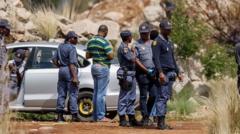
In a dramatic escalation of efforts to curtail illegal mining, the South African government has withdrawn food and water for an estimated 4,000 illegal miners hiding in a Stilfontein mineshaft. The operation has already seen about 1,000 arrests as authorities, including the police and military, wait to detain those who remain underground. Many of the miners, referred to as "zama zama" (meaning "take a chance" in Zulu), are believed to be undocumented migrants from neighboring countries like Lesotho and Mozambique, existing in fear of deportation.Operating in abandoned mines presents significant economic challenges for South Africa, costing the government hundreds of millions in lost revenue annually. As legal mining operations have dwindled and job losses have increased, many have turned to the underground economy to survive, where illegal mining has burgeoned. Reports indicate that these miners can spend months underground, creating a small community that supports their basic needs with food and supplies.Authorities deny assistance to those underground, with Minister in the Presidency Khumbudzo Ntshavheni stating explicitly that "criminals are not to be helped." This irony was further highlighted by Busi Thabane of the Benchmarks Foundation, who warned that the situation is spiraling into a "humanitarian crisis." Local leaders have tried to provide aid, but police have hindered their efforts, intensifying fear among the miners.As community members anxiously await news of loved ones trapped underground, communication has been limited to notes sent down via ropes. Limited rescues have occurred, but many miners emerge severely weakened, raising questions about the viability of such operations. The deteriorating conditions have sparked outrage, with mixed reactions to the government's hardline stance. The South African Human Rights Commission has announced an investigation into the impact of these operations on human rights, contemplating the implications for the right to life.Illegal mining remains a lucrative trade for countless impoverished South Africans, creating a complicated intersection of crime, survival, and humanitarian crises. With increasing reports of confiscated firearms and violence linked to illegal syndicates, the divide continues to grow between enforcing law and addressing the dire socioeconomic circumstances driving these miners underground.


