
In brief
Authorities in Lahore, facing alarming air quality levels, have shut primary schools for a week and initiated a "green lockdown" mandating remote work for half of the city’s office employees.
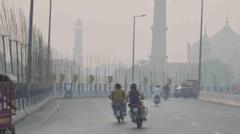
Unprecedented air pollution in Lahore, Pakistan, has prompted drastic measures from local authorities, including the closure of all primary schools for a week. Beginning Monday, the city will implement a "green lockdown" that mandates 50% of office workers to work from home to combat the severe smog. Furthermore, officials have placed bans on engine-driven rickshaws and unfiltered barbecues, which contribute to the worsening air quality crisis.Punjab Senior Minister Marriyum Aurangzeb emphasized the dangers posed to children, advocating for mandatory mask-wearing in schools. Lahore has recently topped global pollution rankings for the second time, with its air quality index surpassing 1,000 on Saturday—far exceeding the World Health Organization's "dangerous" benchmark of 300, according to IQAir data. The hazardous levels of fine particulate matter in the air have raised alarm among health professionals.Raja Jehangir Anwar, a senior environmental officer, cited cross-border agricultural practices, particularly stubble burning, as a significant factor exacerbating the smog crisis. Aurangzeb highlighted that the hazardous fumes are being transported into Pakistan by strong winds, asserting the need for diplomatic dialogues with India to address this issue. The government has advised residents to remain indoors and limit travel.In a bid to clear the air, vehicles with pumps are operating to spray water into the atmosphere. Construction work has been suspended in specific areas until the air quality improves. Officials will reassess the situation next Saturday to determine whether schools should remain closed.The health ramifications of inhaling toxic air can be dire, contributing to strokes, heart disease, lung cancer, and respiratory ailments as underscored by the WHO. Last month, schools restricted outdoor activities until January, and operating hours have been adjusted to shield children from peak pollution times. Parents like 42-year-old Lilly Mirza express anxiety over the alarming situation, yearning for clarity amidst increasing pollution levels that seem to have escalated beyond previous years. As the winter season deepens, the situation grows tenser, with colder air exacerbating the accumulation of pollutants.

