
In brief
The rapid rise of fortuitous illegal gold mining, known as "galamsey," in Ghana results in wide-reaching pollution and ecological harm, risking the nation's natural resources and public health.
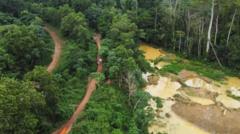
In Ghana, a burgeoning illegal gold mining industry is causing catastrophic environmental damage, pushing the country toward an ecological crisis. Contaminated water from rivers, thick enough to be used as paint, illustrates the grim reality faced by communities affected by what locals term "galamsey." This illegal mining practice employs mercury extensively, leading to accusations of "ecocide" by charities like WaterAid. Israel Derrick Apeti, an artist known as Enil Art, visited the Pra River to draw attention to the pollution. "The water was so bad I could paint with it," he told reporters, emphasizing the deepening crisis. The Pra River, once teeming with life, has turned into a toxic yellowish-brown body of water. Communities echo these complaints; they express deep sorrow over the profound loss of pristine water sources, which they once relied upon for drinking and irrigation.Protests in the capital, Accra, have grown as residents demand government action against illegal mining, only to see demonstrators detained. Young activists employed hashtags like #stopgalamseynow to mobilize support across the globe. Prominent Ghanaian musicians have joined the movement, openly condemning the devastation through their performances, as more people become aware of the crisis.The scope of the mining operations has transformed dramatically, with involved Chinese syndicates employing advanced techniques largely indifferent to environmental consequences. These syndicates frequently intimidate local farmers into selling land or abandoning cocoa farming for mining, further endangering the country's agricultural reputation and production.According to Ghana’s Forestry Commission, illegal mining has devastated an area exceeding 4,726 hectares—more land than many European cities. Dr. John Manful, an agricultural development consultant, warns that illegal mining's rapid destabilization rises even as farmland and forests are in jeopardy. This troubling trend threatens to intensify Ghana's most significant economic crisis in generations, as soaring gold prices incentivize exploitation and desperation fuels recruitment within the illegal mining community.WaterAid's urgent calls for government intervention grew louder, stating that without remedial measures, Ghana might face water scarcity by 2030. The state utility has issued stark warnings about the ongoing pollution of vital water bodies, while local farmers express frustration as they lose access to irrigation systems.Ghanaian President Nana Akufo-Addo recently promised action, deploying naval units to cease all mining operations around critical water areas. However, skepticism abounds as many believe that political affiliations will hinder a thorough crackdown on illegal mining. Citizens have expressed doubt, citing the involvement of influential figures in the practice, which has led to fervent protests for more substantial governmental accountability.Balancing ecological stewardship with economic hardships, Ghanaians fear that without serious reform and enforcement, their nation’s future may erode alongside the gold they mine.

