
In brief
Amid the outpouring of grief following the death of former President Jimmy Carter, Rocky Sickmann, who was one of the American hostages taken in Iran, shares heartfelt memories of how Carter's efforts kept him alive and hopeful during his ordeal.
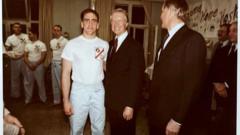
On November 4, 1979, Rocky Sickmann, a 22-year-old US Marine, found himself among 51 Americans held hostage by Iranian revolutionaries at the American embassy in Tehran. As global attention focused on their plight, Sickmann's survival hinged not just on his own resilience but also on the relentless efforts of then-President Jimmy Carter, whose life’s work had become intertwined with the fate of the hostages.Reflecting on those harrowing days in captivity, Sickmann recollects the desperation that filled the air. "For the first 30 days, I’m in this room handcuffed and blindfolded, thinking about the Vietnam War and the veterans returning home. Who's going to care about us?" he recalled, expressing doubts about whether Carter truly cared about their situation. The sentiment resonated among many in America, who criticized Carter for not securing their release sooner—a factor that some political analysts believe led to his defeat in the 1980 presidential election.Despite the frustrations, Sickmann emphasized Carter's deep commitment to bringing the hostages home and his personal outreach to their families. "He was a good man who wanted diplomacy," Sickmann said, noting how Carter connected with his parents during that dark time. One of the most memorable moments for Sickmann occurred a year after his release when he met Carter in Wiesbaden, Germany, still clad in his pajamas. "It was an exciting day; he told us it was the happiest day of his life," Sickmann recalls fondly. The meeting was captured in a photograph featuring Carter and the freed hostages, a poignant reminder of their shared experience.Years later, he bumped into Carter at a baseball game and felt compelled to reach out. The mutual recognition during that encounter was a testament to the lasting impact of the bond forged in crisis. Carter's legacy extended far beyond his political tenure, inspiring Sickmann to engage in charity work post-service. Motivated by Carter's example, Sickmann founded Folds of Honor, a nonprofit that provides scholarships for the families of fallen or disabled military personnel, paying tribute to the eight servicemen who lost their lives during the failed rescue attempt of the hostages in 1980.“President Carter was a good Christian man, and his life of service influenced me tremendously,” he affirmed. Sickmann expressed reverence for Carter's unwavering dedication and noted the stark contrast between the political ramifications of the Iran hostage crisis and the profound personal impact the ordeal had on him and other hostages.Reflecting on those 444 days in captivity, Sickmann remarked, "Morning, noon, and night, I prayed hoping that God was on our side, but also that President Carter would keep us alive and in the world's prayers."
