
In brief
Nigerian billionaire Aliko Dangote is breaking ground on a $16bn oil refinery in Lamu, Kenya, set to process 700,000 barrels a day and become East Africa’s largest industrial project by capacity. The plan has sparked local protests demanding higher land compensation, but Dangote dismisses the unrest as political noise, insisting the refinery will proceed by 2030. Critics question building a refinery in a non‑oil‑producing country, but officials argue the location offers strategic market access. The project includes a 1,000‑MW power plant to support local industry and underscores Dangote’s broader ambition of expanding Africa’s energy infrastructure.
Aliko Dangote Launches Kenya Oil Refinery Amid Land Protests
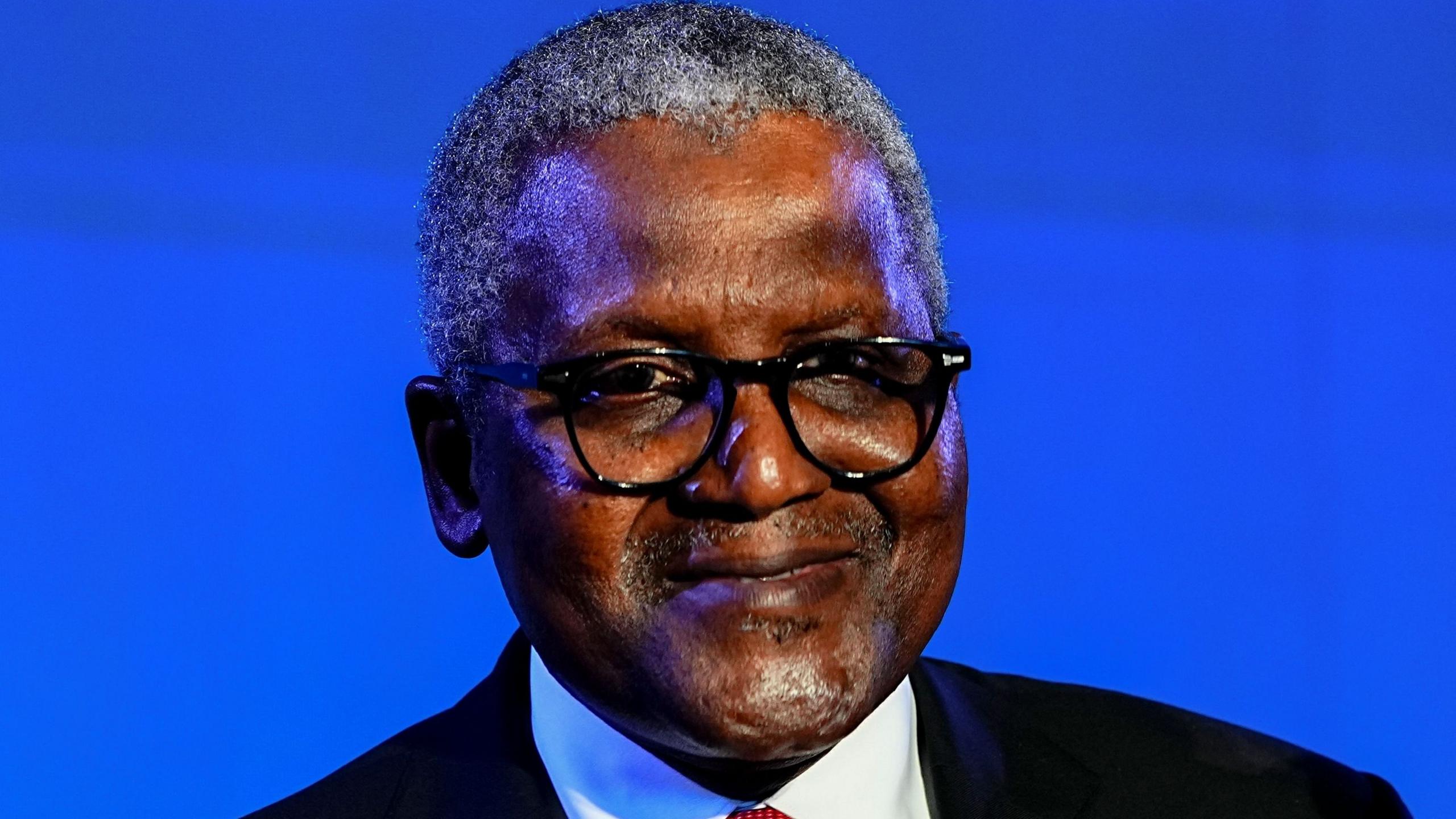
Kenya’s new $16 billion (£12bn) refinery at Lamu will be the largest East African industrial project by capacity, said Nigerian billionaire Aliko Dangote and Kenyan President William Ruto on the day they broke ground. Once operational, the refinery is expected to process 700,000 barrels of crude a day.
The project has triggered local unrest. Residents on Lamu’s coast have taken to the streets demanding higher compensation for the land taken for the plant, while Dangote dismissed the protests as political manoeuvres, insisting the project will stick to its 2030 completion target.
Kenya’s Energy Minister Opiyo Wandayi countered criticism that building a refinery in a non‑oil‑producing country is ill‑suited, pointing out that refineries worldwide source crude from the open market. Dangote cited Singapore – a zero‑oil‑producer that still operates numerous refineries – as a modern benchmark.
Beyond refining, the Lamu complex will host a 1,000‑megawatt power plant intended to supply both Dangote’s operations and other future industries in the region. This “plug‑and‑play” power strategy is part of a broader plan that could see 10,000 MW of new generation added in Africa by 2030.
According to Dangote, the refinery will create roughly 60,000 jobs, directly and indirectly, and he anticipates reinforcing Africa’s move from raw material exporter to value‑adding producer.
The initiative follows tangible investments throughout Africa, including a $660m fuel pipeline linking Ethiopia and Djibouti that the billionaire also helped finance.
