In brief
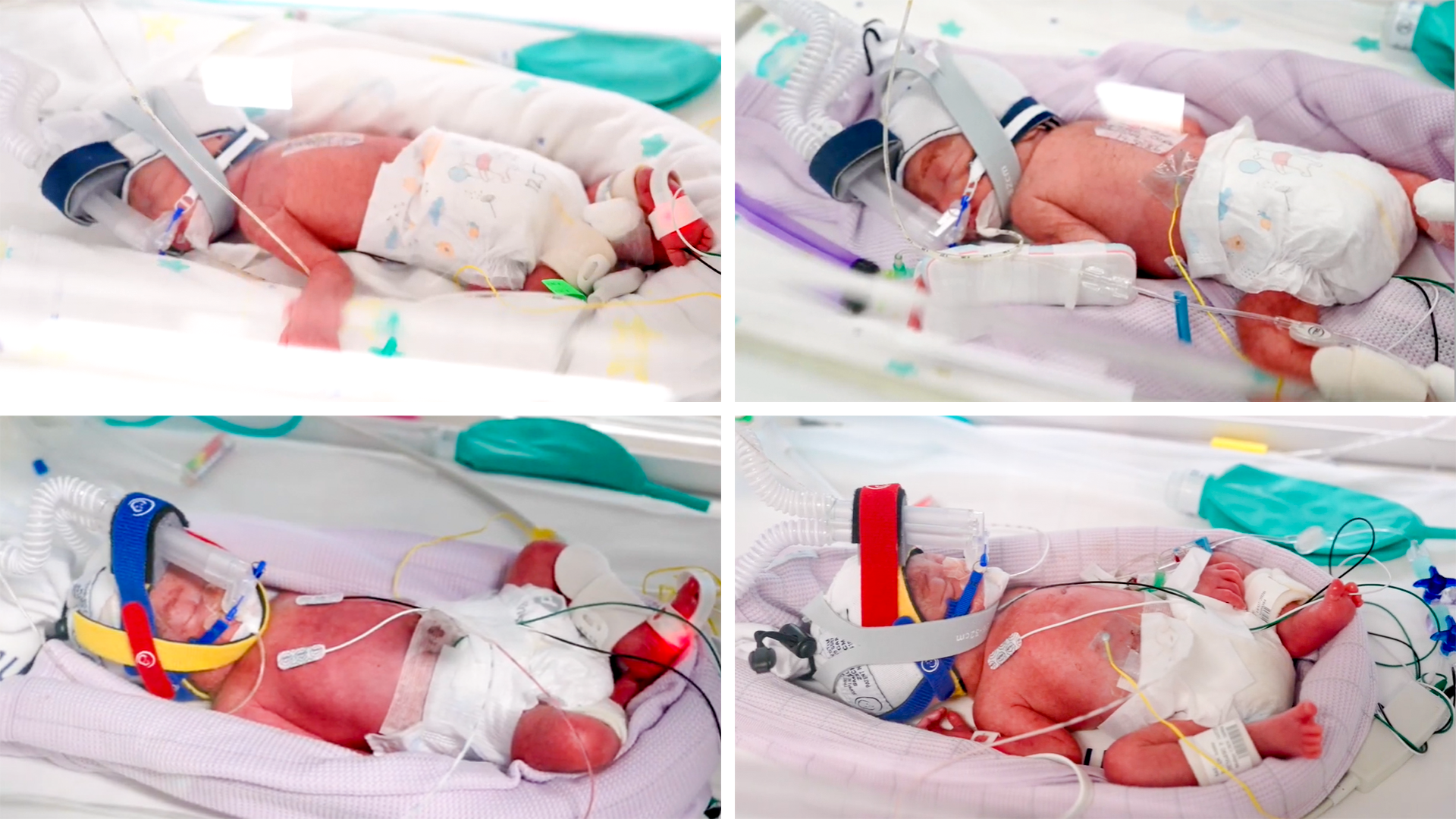
An Australian mother, Jenitar Na’amoana, gave birth to four identical quadruplets at 28 weeks and four days after a high‑risk prenatal course. Dr Alex Bendall of Royal Brisbane and Women’s Hospital underscored the rarity—about one in 15 million pregnancies produce monozygotic quadruplets, and one‑in‑a‑million births involve shared placentas. The babies, named Emily, Harriet, Catherine, and Alexa, are currently in the neonatal intensive care unit and are doing well. The family, who already have four older children, has launched a fundraising campaign to purchase a 10‑seat van to accommodate their growing brood. The hospital team highlighted the challenges of caring for four premature infants and praised the mother’s resilience throughout the ordeal.
A Rare Australian Quadruplet Birth at 28 Weeks
The 34‑year‑old Jenitar Na’amoana has welcomed her first pregnancy, which surprises her family and the medical community alike. She delivered four identical girls via caesarean section on 14 July, just over 28 weeks—a highly premature gestation regarded by Royal Brisbane and Women’s Hospital as extreme risk.
These monozygotic quadruplets are the product of a single fertilised egg that divided into four embryos. Dr. Alexa Bendall estimates that such an occurrence happens only once in 15 million pregnancies, and shared placentas—seen here—are even rarer.
Throughout the pregnancy Dr. Bendall monitored Na’amoana as an inpatient from 25 weeks, aiming to reach 28 weeks for better outcomes. Nurses and doctors described the delivery as “incredible” and expressed relief that the babies are well with no immediate complications.
Named Emily, Harriet, Catherine, and Alexa—after Dr. Bendall—the newborns remain in the hospital’s neonatal intensive care unit until they have reached full term, where they continue to thrive.
With existing children aged one to ten, Na’amoana launched an online fundraiser to purchase a 10‑seat van, receiving over A$37,000 to date. Family members have spoken of gratitude and the unforeseen challenges of caring for four newborns simultaneously.
Doctors emphasize that naturally conceived quadruplets, like these, are extremely rare—with odds about one in 700,000 births—making their case both remarkable and medically significant.