In brief
Social media backlash has surged after photos of Somali male delegates representing the country at a UN conference focused on women's issues were shared, highlighting the ongoing struggle for women's representation within Somalia's government.
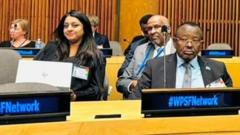
Somalia’s Family Minister, Gen Bashir Mohamed Jama, has come under fire after sharing images from a Women, Peace and Security Focal Points Network event in New York, which featured him and a male adviser. Critics, including prominent Somali author and human rights activist Fathiya Absie, have condemned the move as ‘tone-deaf’ given the context of the conference aimed at addressing women’s rights and concerns. While it was noted that Somalia's delegation also included two women—Iman Elman, a military officer, and Sadia Mohammed Nur, a civil servant—the optics of a nearly all-male representation at an event centering on women's issues has drawn sharp criticism. Social media users have denounced the government for what they perceive as a lack of seriousness regarding women’s concerns.The incident has intensified discussions around the recent renaming of Somalia's Ministry of Women and Human Rights Development to the Ministry of Family and Human Rights Development, a change that critics argue undermines women's specific needs and struggles. This shift in naming coincided with the appointment of Gen Jama, formerly a high-ranking military officer, to lead the ministry.In the aftermath of the backlash, Bashir defended the government’s stance by suggesting that the presence of male leadership with experience could benefit women’s issues. However, voices advocating for a more substantial female representation within the government are becoming increasingly prominent, and the ministry has indicated plans to enhance women’s roles moving forward.This controversy reflects broader issues concerning women's rights and representation in Somalia—a country grappling with the aftermath of prolonged civil conflict and the ongoing influence of Islamist groups, wherein women's contributions to peacebuilding have been historically significant yet frequently marginalized. The conversation surrounding Gen Jama's photos thus serves as a larger commentary on the inclusivity and prioritization of women's rights in Somali governance.