In brief
In a stark warning, Bishop Rob Hirschfeld of the Episcopal Church of New Hampshire suggested that clergy should prepare for a 'new era of martyrdom,' speaking at a vigil for Renee Good, a victim of ICE actions. He emphasized that Christians might soon need to confront dangers to stand with the vulnerable and urged clergy to get their affairs in order. His remarks echo a broader call from religious leaders to protect immigrants amid increasing enforcement actions.
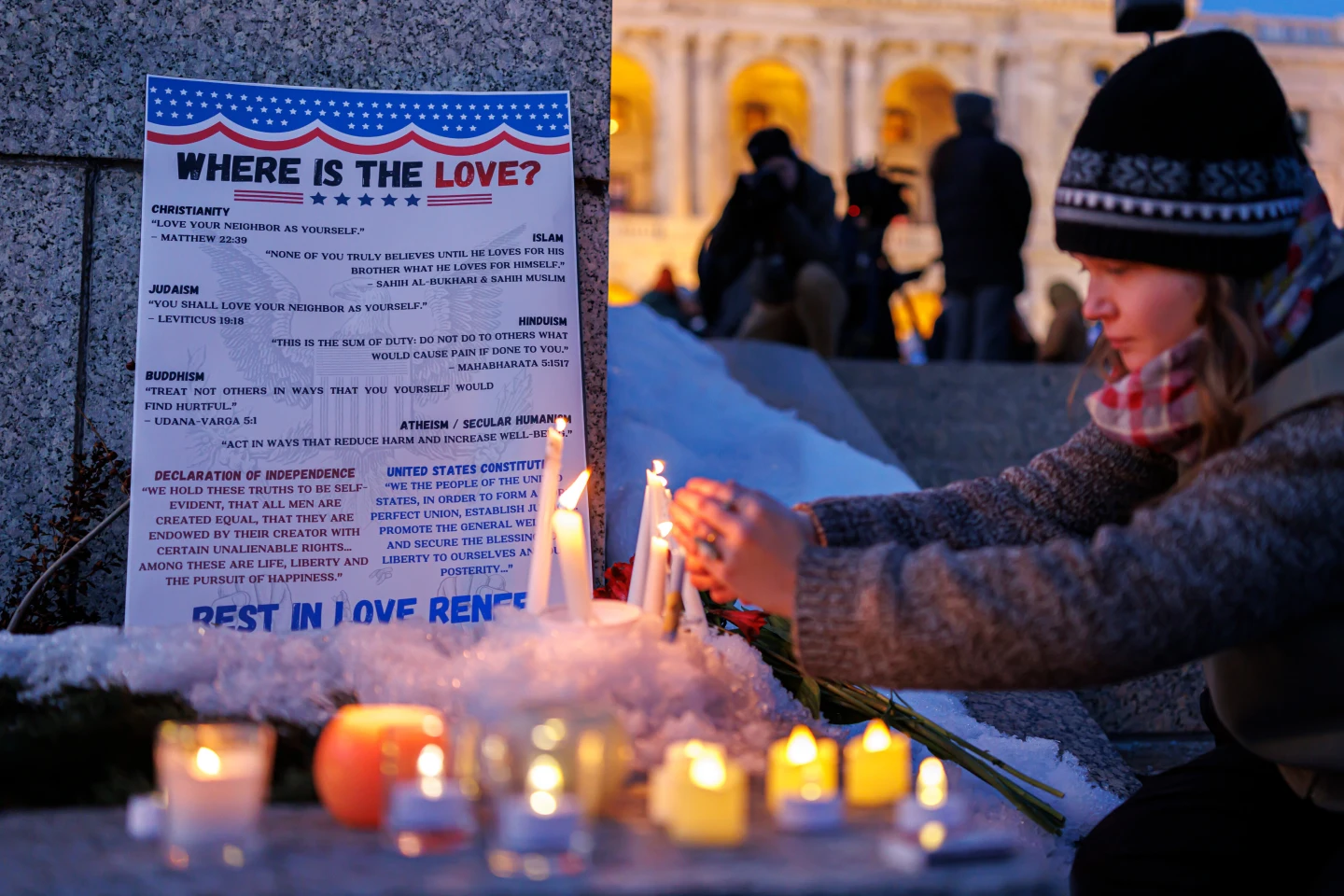
CONCORD, N.H. — Bishop Rob Hirschfeld of the Episcopal Church in New Hampshire is drawing national attention for his recent remarks at a vigil honoring Renee Good, who was fatally shot by a U.S. Immigration and Customs Enforcement officer. Hirschfeld, in light of this tragedy, urged his clergy to prepare for a potentially dangerous future for those who advocate for vulnerable communities.
Addressing the gathering, Hirschfeld highlighted historical figures such as New Hampshire seminary student Jonathan Daniels, calling upon clergy to emulate their bravery. He stated, 'I have told the clergy that we may be entering into that same witness... to stand between the powers of this world and the most vulnerable.'
Hirschfeld's comments come amid a broader context of increased immigration enforcement under the Trump administration, which has drawn criticism from various civic leaders. His appeal for Christian leaders to prepare for potential threats underscores concerns about the safety of religious figures and activists advocating for immigrant rights.
Further supporting Hirschfeld's initiative, other religious leaders have echoed calls for church members to protect those in distress, emphasizing the essential role that vulnerable populations play within the church community. As discussions of resistance, advocacy, and community support intensify, the church emerges as a pivotal player advocating for justice.
As this discourse continues, the Episcopal Church faces the task of balancing its historical commitment to shelter and support marginalized groups, while recognizing the personal and communal risks that such a stance may entail in the current sociopolitical climate.