In brief
Larry Fink, the CEO of financial powerhouse BlackRock, stated that a surge in oil prices to $150 a barrel due to ongoing geopolitical tensions, particularly regarding Iran, could lead to a global recession. He emphasized the profound economic implications of sustained high oil prices while also discussing the need for diversified energy sources. Fink also addressed the current investment landscape in artificial intelligence, asserting there is no bubble and highlighting the potential for job creation.
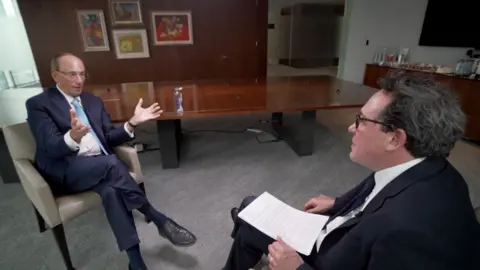
In a recent interview, Larry Fink, CEO of BlackRock, the world's largest asset manager, warned that if oil prices were to reach $150 a barrel, the world could face a substantial recession. He attributed this potential crisis to ongoing geopolitical tensions, particularly the threat posed by Iran.
Fink highlighted that should Iran continue to be viewed as a threat, maintaining high oil prices could have 'profound implications' for the global economy. The conflict in the Middle East has already triggered volatility in financial markets as investors attempt to gauge the potential impact of energy costs.
While discussing the current investment climate, Fink dismissed the idea of an 'AI bubble', expressing confidence in the ongoing demand for artificial intelligence technologies and their transformative potential. He noted, however, that the current reliance on traditional fuels amidst rising energy prices underscores the need for countries to diversify their energy sources to ensure economic stability and growth.
According to Fink, higher energy costs disproportionately impact the poor, making it critical for governments to adopt pragmatic energy policies that embrace all available resources. He emphasized that as societies evolve, there will be a growing need for technologies that create job opportunities in skilled trades, acknowledging a shift away from traditional university pathways.
In conclusion, Fink's insights present a multifaceted view of the challenges ahead, urging for a balanced energy approach as the global landscape continues to change.