Bolivia’s President Declares State of Emergency Amid Escalating Protests
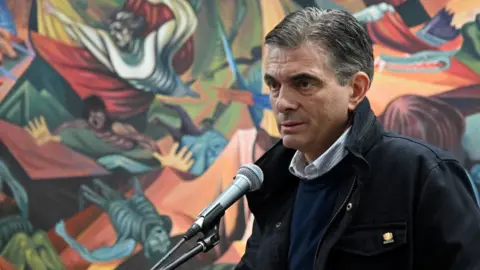
President Rodrigo Paz announced a state of emergency to grant himself broad powers to remove road blockades that have been paralyzing large parts of the country for weeks.
The decree would allow the government to clear blockades, restoring the flow of goods and services across heavily‑affected regions. Under Bolivia’s constitution, the measure must be reviewed and approved by Congress within 72 hours.
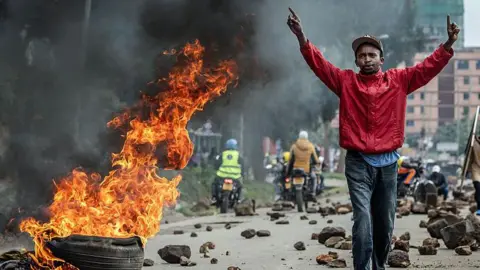
The blockades, led by miners, farmers and several indigenous groups, stem from protests that began in late April over a land‑reform proposal later withdrawn by Paz. Protesters also demand the reinstatement of fuel subsidies and a rollback of austerity measures that have tightened the social safety net.
The unrest has already claimed lives and forced hundreds of arrests. Protest groups say they will keep road blocks in place until their demands are met, despite the president’s claims that the crisis is an organised attempt to destabilise the country.
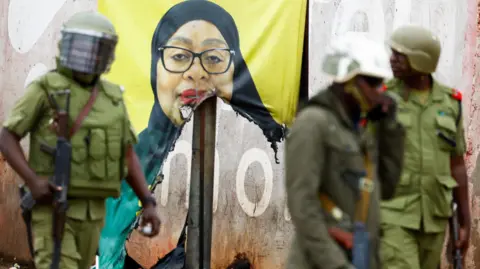
Earlier this week, Paz signed an agreement with the Bolivian Workers’ Confederation, attempting to calm tensions. Yet Indigenous groups have said they will continue to protest, with police and military units reportedly present in major squares.
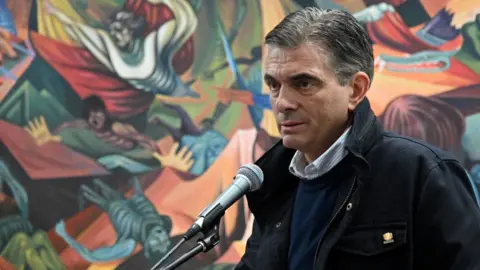
Paz has dismissed former President Evo Morales as the instigator of the protests, a claim Morales has denied. The president’s administration has implemented cabinet reshuffles, salary cuts, and a negotiation council in an effort to placate the anti‑government factions. However, these measures so far have failed to quell the widespread unrest.