In brief
In celebration of its 60th anniversary, Botswana’s government issued a license allowing the slaughter of 23 elephants for a national feast, a decision that has drawn fire from animal‑rights activists and sparked concern over the effects on conservation and cultural heritage. Critics warn that such public hunts risk normalising poaching and undermining efforts to protect the country’s record‑holding elephant population. Supporters argue that regulated hunting helps manage wildlife conflicts and funds local communities. The move coincides with a foot‑and‑mouth disease outbreak, raising questions about food safety. Meanwhile, local distribution of the carcasses has created logistical and health issues that are forcing the government to rethink how game meat is shared.
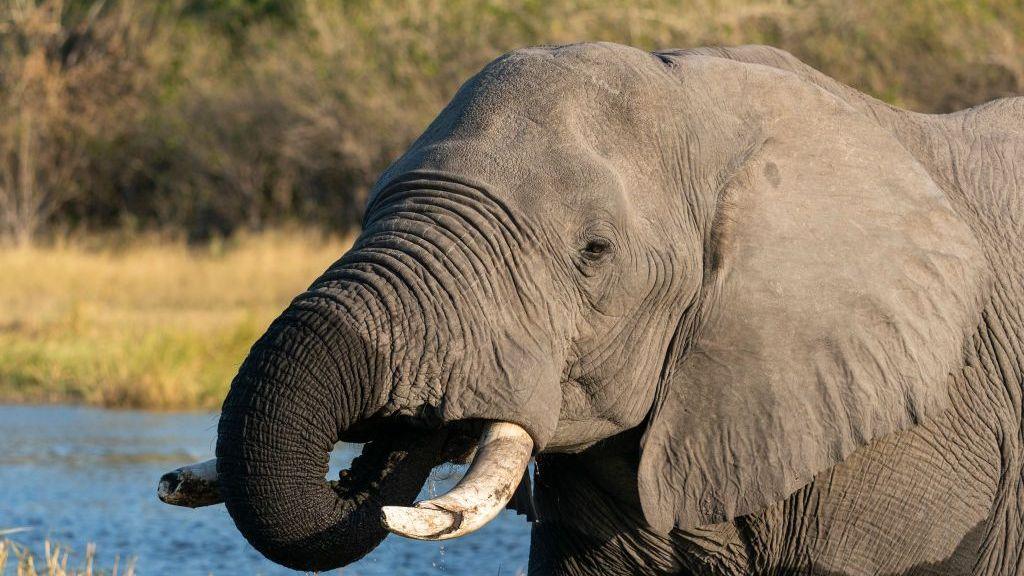
As Botswana marked its 60th year of independence, the government granted a license authorising the lawful killing of 23 elephants for a national feast. The decision, intended to supply meat for celebratory banquets, has provoked swift backlash from animal‑rights groups and sparked a broader debate over wildlife conservation.
The letter from the Ministry of Environment and Tourism permitted the hunting of the elephants under the guise of “complimentary purposes.” The Elephant Protection Society warned that such a public display of slaughter could signal to poachers that killing elephants is state‑approved, thereby undermining nationwide conservation efforts.
Critics also highlighted the timing of the decision amid an outbreak of foot‑and‑mouth disease. Public health officials urged caution, fearing that consuming game meat could transmit the virus to humans. Social media commenters expressed concern that the distribution of meat from elephant carcasses was uneven, with elders, pregnant women, and people with disabilities often left out.
Supporters of the hunting policy argue that regulated harvests help manage the country’s 130,000‑strong elephant population, reduce human‑elephant conflict, and generate revenue for rural development. The government maintains that proceeds from special quotas contributed over 15.6 million pula ($1.1 million) to conservation projects in 2025 alone.
Historically, Botswana has swung between banning trophy hunts in 2014 and lifting restrictions in 2019. President Duma Boko’s administration, in power since 2024, continues to advocate controlled hunting as part of a broader strategy to balance ecological sustainability with economic benefits for local communities.
Meanwhile, local MPs like Simasiku Mapulanga in Chobe province criticised the haphazard distribution of carcasses, calling for packaged portions to improve hygiene and fairness. He also questioned why elephants—symbols of national pride—were chosen over other game animals for the celebratory feast.
In sum, Botswana’s choice to slaughter elephants for Independence Day has reignited a protracted conflict between conservationists, animal‑rights activists, and government policymakers, levelling questions over the country’s future trajectory in wildlife management and cultural identity.