
In brief
The incident has reignited discussions about reparations, treaties, and the recognition of First Nations peoples in the face of a colonial legacy.
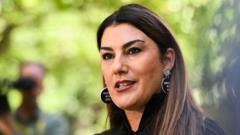
In a striking display of defiance, Australian senator Lidia Thorpe disrupted King Charles during his recent visit, asserting, “You’re not my King.” Thorpe, a member of the Gunnai, Gunditjmara, and Djab Wurrung peoples and the first Aboriginal senator from Victoria, has a history of vocal opposition to the British monarchy. This incident aligns with her long-standing criticism of colonial rule, particularly the devastating impact on First Nations communities.Thorpe's contentious relationship with the monarchy emerged earlier, when during her oath in 2022, she referred to the late Queen Elizabeth II as a “coloniser.” Her comments reflect a broader sentiment among Indigenous Australians who argue that the legacy of British settlement has resulted in profound disparities in health, education, and life expectancy for First Nations people compared to their non-Indigenous counterparts.Following her heckle at the Great Hall, Thorpe expressed her beliefs to the BBC, emphasizing the necessity for a genuine dialogue regarding reparations and a peace treaty. “To be sovereign, you have to be of this land,” Thorpe asserted, firmly rejecting the notion that King Charles holds any authority in Australia. She lamented that Australia is the only Commonwealth nation without a treaty with its Indigenous populace and viewed last year's referendum on a Voice to Parliament, which aimed to enhance representation for First Nations people, as a diversion from the more pressing need for a treaty.While some Indigenous leaders exhibit a range of perspectives on the monarchy's role and royal visits, Thorpe remains steadfast in her commitment to the cause of reparations and recognition. Notably, her independent stance has drawn attention to the complexities within the Indigenous community regarding representation and governance.As Australia grapples with its colonial past and contemplates its future, Lidia Thorpe’s fatherly rebuke of King Charles underscores a critical discussion about sovereignty, accountability, and the path forward for meaningful engagement with Indigenous Australians.