In brief
Zoe Rosenberg, an animal rights activist, is in trial for her actions at Petaluma Poultry in 2023 where she rescued four chickens. Rosenberg asserts her actions were motivated by compassion for animals cited to be abused, whereas prosecutors argue she was part of a criminal operation. Rosenberg's case highlights conflicts surrounding animal rights activism, especially in Sonoma County, known for prosecuting such cases.
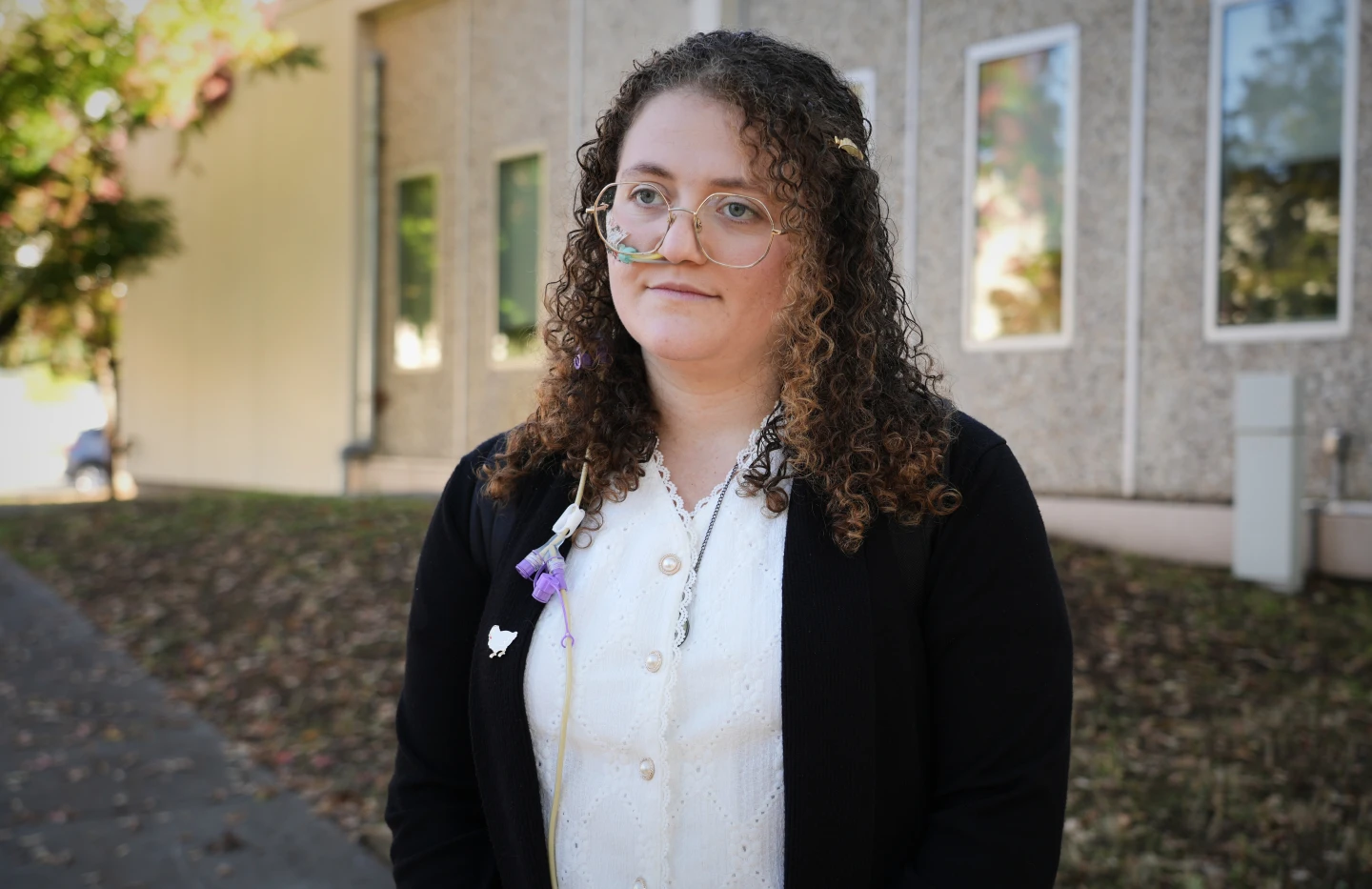
SANTA ROSA, Calif. — Zoe Rosenberg, a 23-year-old animal rights activist, is on trial after taking four chickens from a Perdue Farms poultry plant, claiming her actions were meant to rescue the animals from abuse while prosecutors argue she broke the law.
If convicted of the felony conspiracy charge, along with two misdemeanor trespassing counts and a misdemeanor charge of tampering with a vehicle, Rosenberg could face over five years in prison.
Throughout the prolonged trial, the defense did not dispute that she took the chickens from Petaluma Poultry, which supplies chickens to Perdue Farms—one of the largest poultry providers in the U.S. Instead, they emphasized the ethical justification behind her actions.
Details of the Rescue
Testifying in court, Rosenberg disclosed that she had disguised herself as a worker at Petaluma Poultry, utilizing a fake badge and earpiece. She had shared a videotape of her actions on social media, stating, These chickens were incredibly ill and they needed care...when authorities aren’t stepping in ... we do have the legal right to help them ourselves.
Supporters adorned with orange poppies, a symbol related to one of the rescued chickens, stood outside the courthouse, rallying support for Rosenberg.
Clashing Claims
Rosenberg’s attorney, Chris Carraway, characterized the case as focusing not on the act itself, but on the motivation behind it: compassion versus legality. He urged the jury to acknowledge her sincere belief that the chickens were in distress and required rescue.
Conversely, the prosecution depicted Rosenberg's actions as a publicity stunt orchestrated by Direct Action Everywhere (DxE), an animal rights group she has been associated with since childhood. They described how she entered the facility illegally, asserting, Zoe and her associates illegally broke into Petaluma Poultry—not to save animals, but to steal sensitive company information.
Challenges for Activists
Sonoma County has gained notoriety for prosecuting more cases against animal rights activists than any other region in the U.S. The legal climate here presents significant obstacles for individuals like Rosenberg who are accused of unlawful activism. A similar fate befell DxE's co-founder, Wayne Hsiung, who was sentenced to 90 days in jail for his protest actions.
Rosenberg's defense contends she spent extensive time investigating alleged abuse at the facility before her actions, even consulting a veterinarian regarding troubling photographs. However, the prosecution insinuated this was less about helping the animals and more about gaining attention.
Rosenberg has faced legal scrutiny previously for protesting alleged injustices in the poultry industry, including an incident where she chained herself to a basketball hoop to protest Rembrandt Farms owned by an NBA team owner. As the trial approaches its conclusion, the implications for animal rights activism weigh heavily on both legal outcomes and public perception.