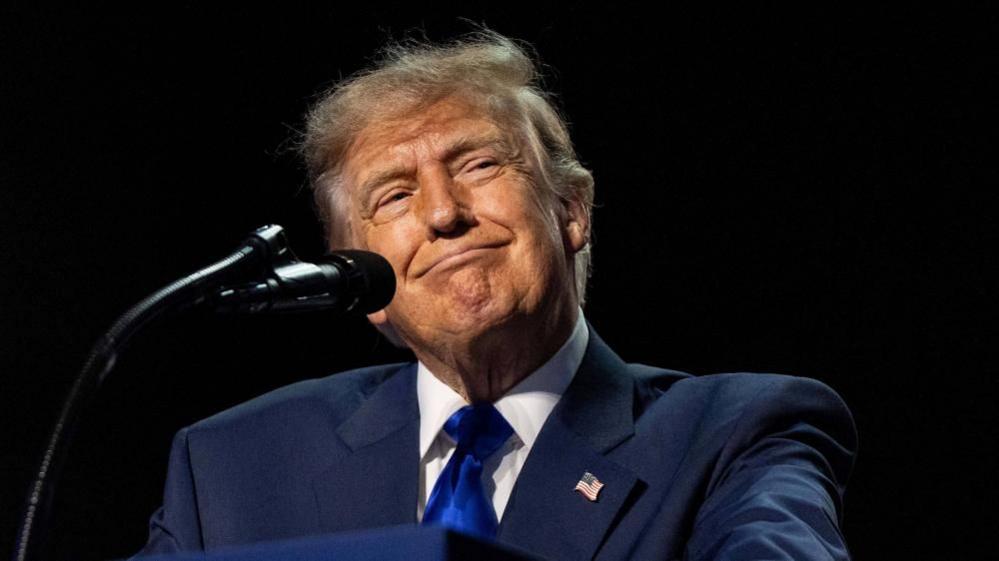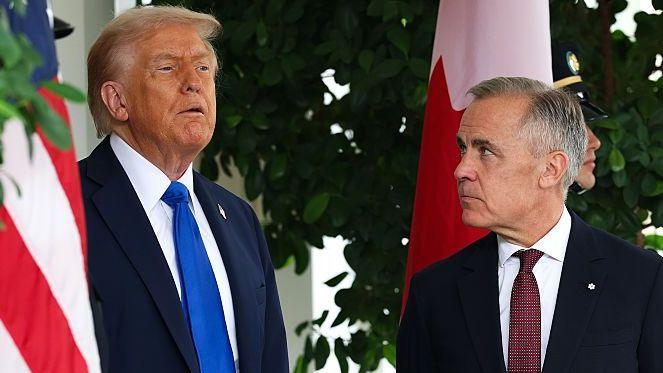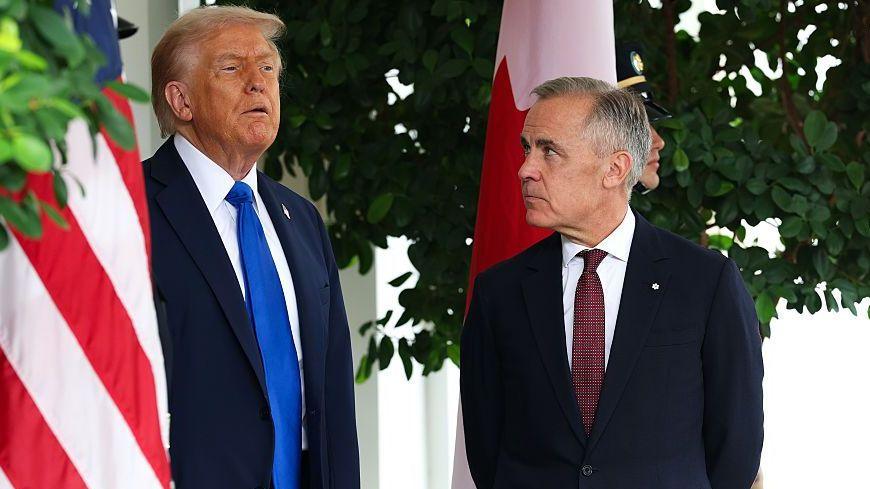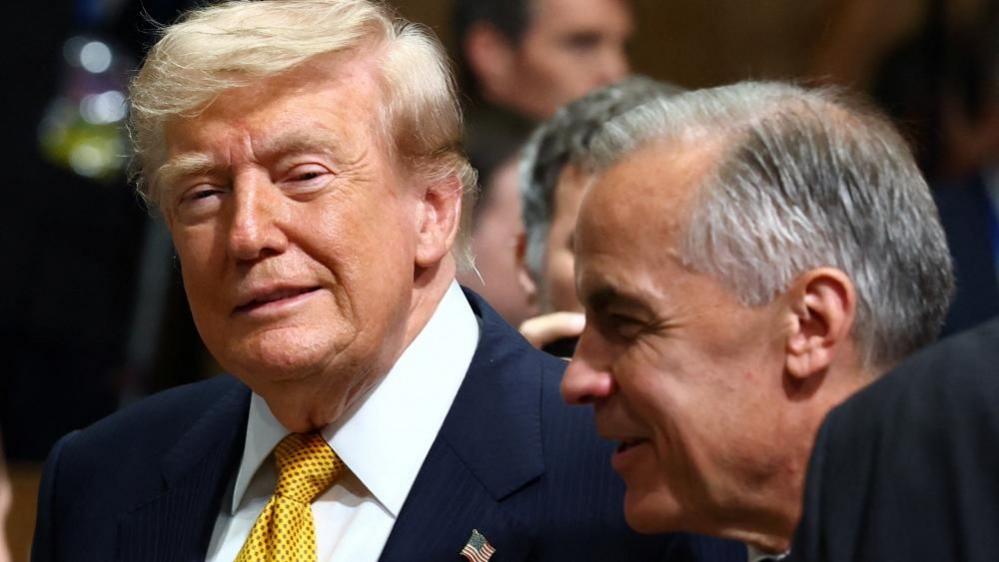
Trump’s 50% tariffs on Canadian goods are set to drop their value, hitting everyday items such as wine, hockey sticks, and industrial cement. The move, announced on July 20, 2026, is an escalation in a long‑running trade dispute that began last year with U.S. sanctions on Canadian automobiles, dairy and alcohol.
Prime Minister Mark Carney warned that Canada would consider “all options” to reply, signalling that the next steps could range from retaliatory duties to seeking new trade partners. Carney also emphasized the unity of the Canadian public in buying domestically produced goods, highlighting a national resilience factor in the trade front.
While Trump claims the tariffs will protect American manufacturing jobs, economists caution that higher import costs could translate into higher consumer prices, potentially dampening domestic demand. The U.S. has used other legal avenues to keep tariffs on, including Section 301 provisions, after the Supreme Court invalidated earlier Emergency Economic Powers Act measures.
Notably, this is the latest in a series of unilateral U.S. actions that have targeted goods previously exempt under the USMCA. The government said the new tariffs will apply regardless of those existing trade agreements, underscoring a hard‑line stance that could alter the framework for the next decade.
A potential future unfolds in three main scenarios:
- Escalated retaliation: Canada imposes equal or greater tariffs on U.S. goods, leading to a full‑blown trade war that could pull the U.S. and Canada into a new cycle of sanctions and counter‑sanctions.
- Redirection of trade routes: Canada diversifies its trade portfolio, securing new deals with China, the EU, or Brazil, reducing reliance on U.S. markets while shifting economic risk.
- Negotiated settlement: Both sides resume talks, possibly renewing the USMCA with amendments that address the perceived inequities, thereby stabilizing the relationship and averting further tariffs.
Meanwhile, Canada’s Premier Doug Ford stated the country would respond “tariff for tariff, dollar for dollar,” suggesting a level‑based counter‑action. The White House and Canadian authorities are yet to clarify the pace or specifics of these responses.