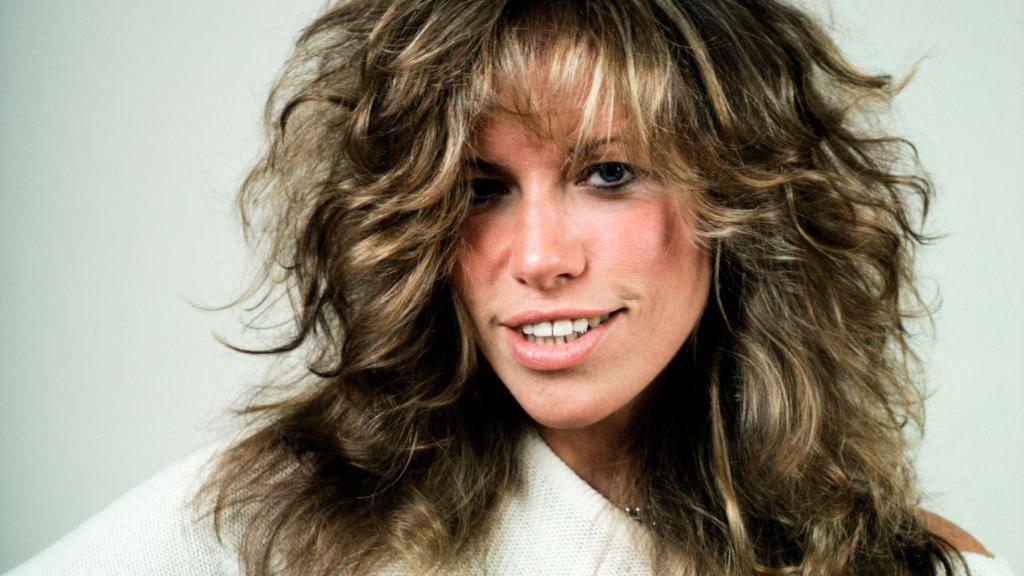
Carly Simon Announces Parkinson’s Diagnosis; New Album Set for August
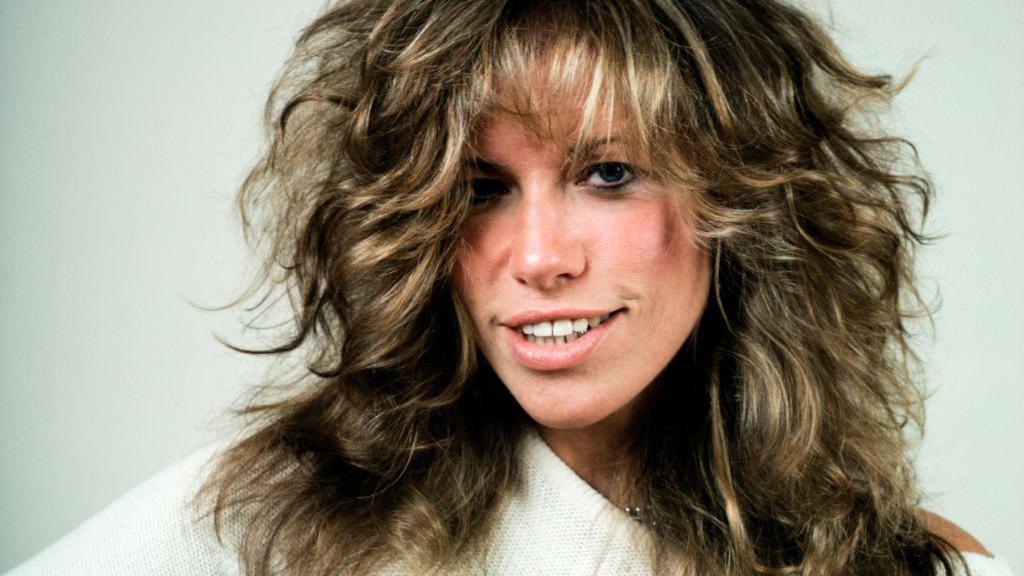
The celebrated singer‑songwriter Carly Simon, aged 83, shared that she has been diagnosed with Parkinson’s disease. She described the condition’s unpredictable evolution, noting that some days she feels exhausted while others allow more movement, thought, and creativity.
Despite her condition, Simon affirmed that she has not ceased to live or work. The artist, famed for hits such as "You’re So Vain" and "Coming Around Again," emphasized that she continues to write and perform.
Simon also revealed that she recently underwent surgery to remove a facial cancerous growth, a procedure that left her more self‑aware in public settings. She reflected on how this new experience intensified her inner critic.
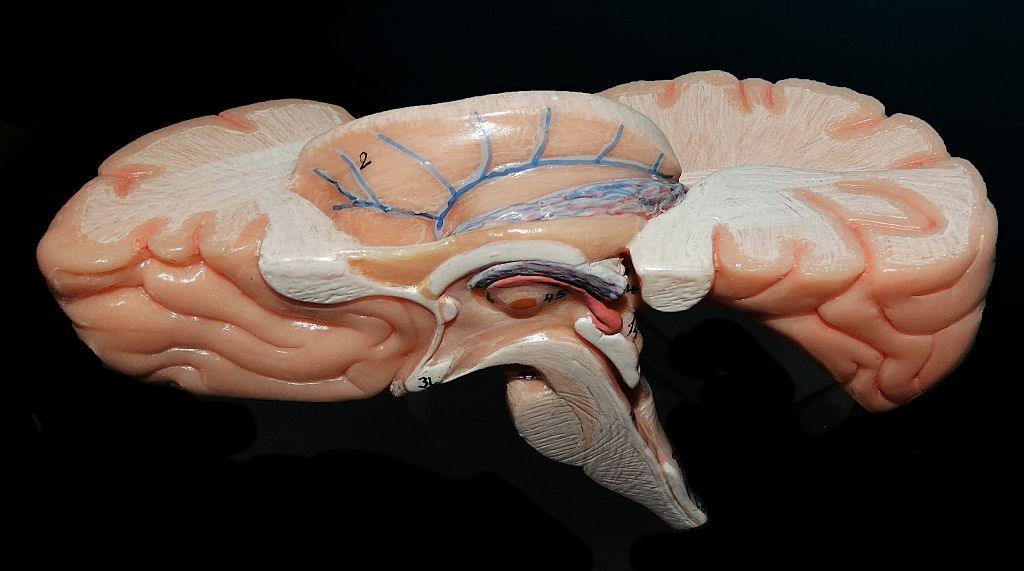
Parkinson’s is the fastest growing neurological disorder worldwide and affects approximately 153,000 individuals in the United Kingdom.
New Album Due in August
Simon disclosed that she chose to speak publicly about her diagnosis after receiving numerous letters from fans curious about her well‑being.
The singer announced a forthcoming album titled Comes In Waves, scheduled for release in August 2026. The lead single, "Howl," released last month, offers a comforting message to a friend recovering from a breakup.
The artist plans to revisit themes of love, memory, family, self‑reckoning, and forgiveness while allowing space for contradiction, ambiguity, and emotional evolution throughout the album.
Simon’s career, marked by sincere piano‑driven pop anthems and nuanced character studies, has been influential across generations and genres.
She defended her publication of the iconic "Nobody Does It Better" and the enduring portrait in "You’re So Vain" as reflections on the complexity of human relationships.
In a recent statement, Simon reaffirmed that she does not view Parkinson’s as a gift or a blessing. She described it as difficult, frustrating, and sometimes frightening, emphasizing her ongoing learning to live with the disease without surrendering essential parts of herself.
She expressed gratitude toward her children, family, friends, caregivers, and medical professionals, acknowledging their support during challenging times in which her own reserves were insufficient.
Simon concluded that she continues to write, sing, imagine, laugh, reflect, and sometimes find herself trapped in an overly stuffed chair, yet remains very much present in life.