CHICAGO — The trial of Juan Espinoza Martinez, a 37-year-old Chicago man accused of soliciting the murder of a Border Patrol commander through Snapchat messages, began this week. At the heart of the prosecution’s case are communications that Martinez allegedly sent to a government informant.
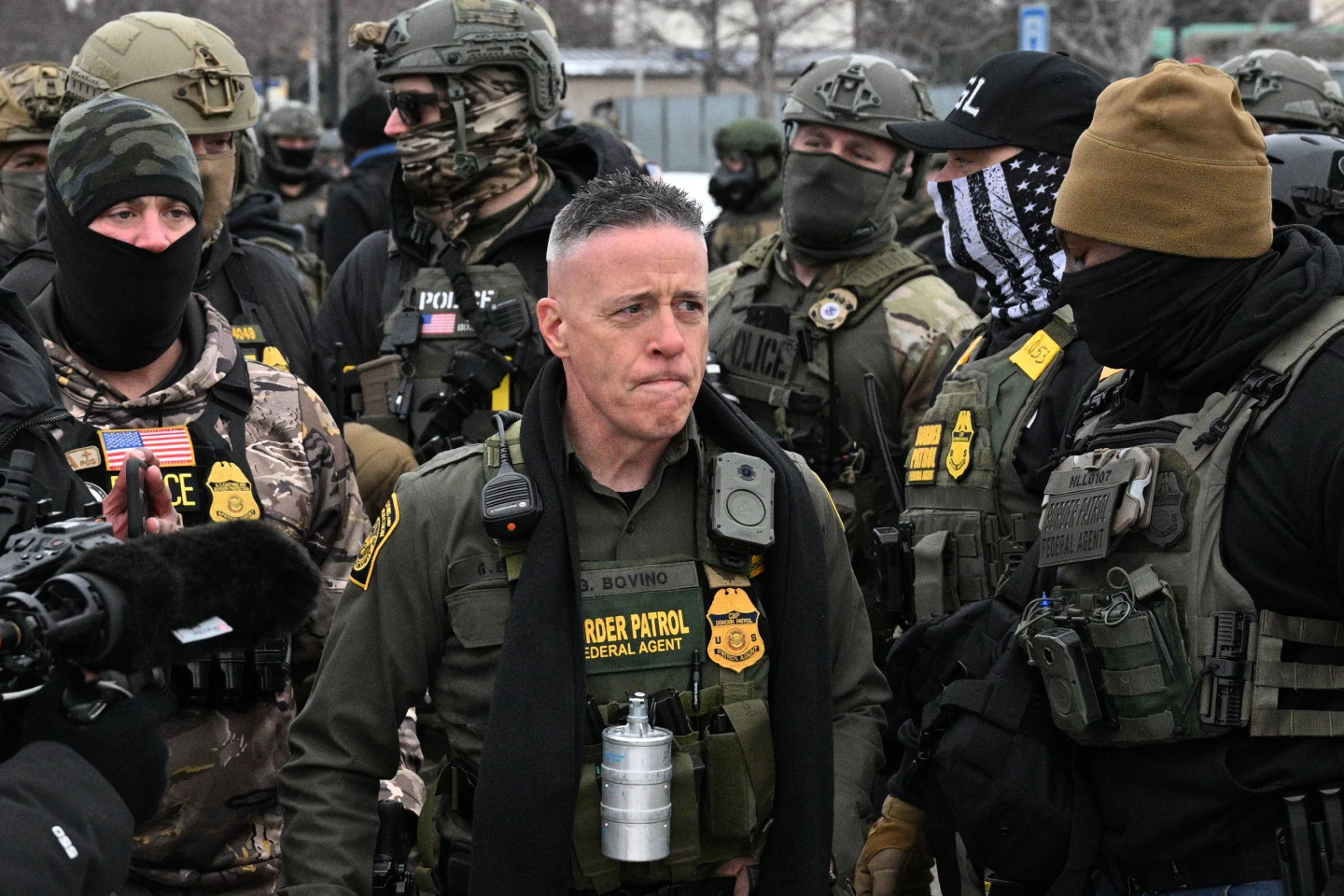
Facing a single count of murder-for-hire, Martinez's trial marks the first major prosecution linked to a significant crackdown on immigration enforcement in the Chicago area initiated last year. Federal prosecutors contend that Martinez, described as a gang-affiliated individual, placed a $10,000 bounty on the life of Gregory Bovino, a Border Patrol official known for leading controversial operations in immigration enforcement.
During opening statements, Assistant U.S. Attorney Minje Shin emphasized that Martinez's actions went beyond mere expression of frustration regarding immigration policies, urging jurors to see the seriousness of the evidence they would hear. “The evidence in this case will show that what the defendant did was not a joke... was not him blowing off steam behind a keyboard,” Shin argued.
The defense, however, countered that the Instagram messages Martinez sent were nothing more than “neighborhood gossip.” Attorney Jonathan Bedi argued that they reflected no true intent to carry out violence. “He’s not guilty because repeating neighborhood gossip is not a crime,” he affirmed.
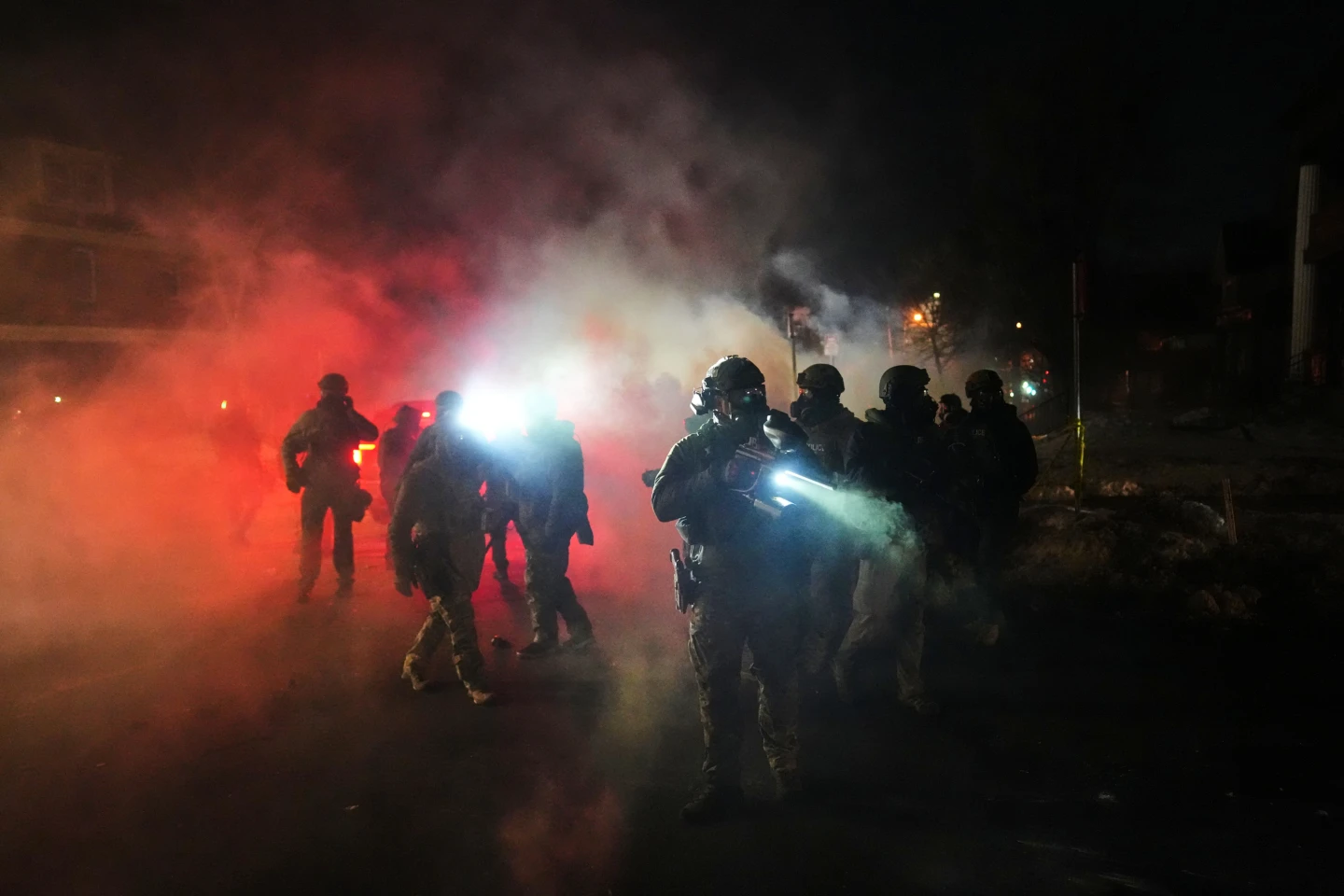
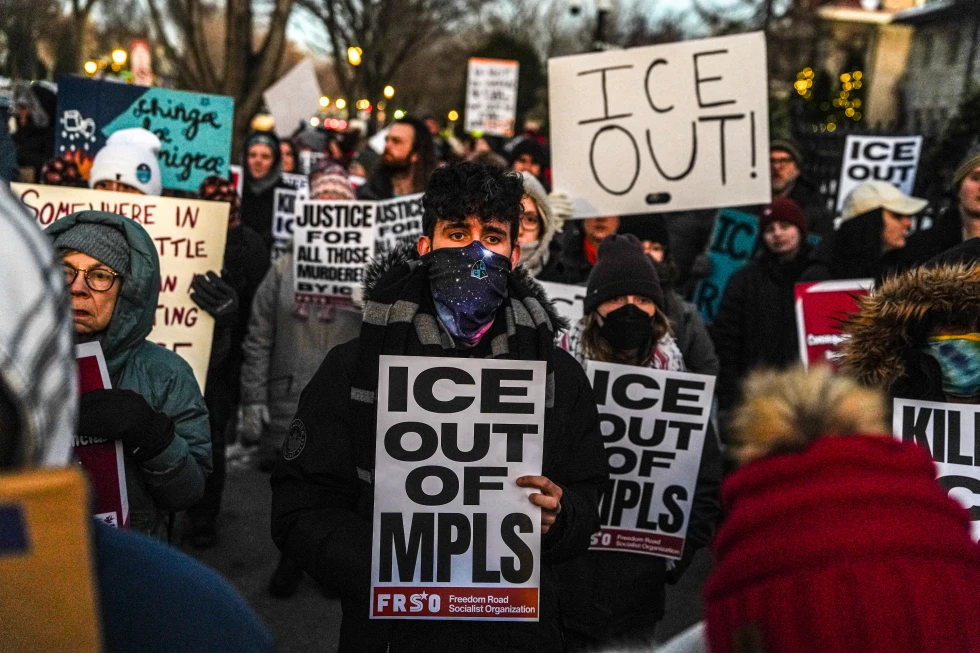
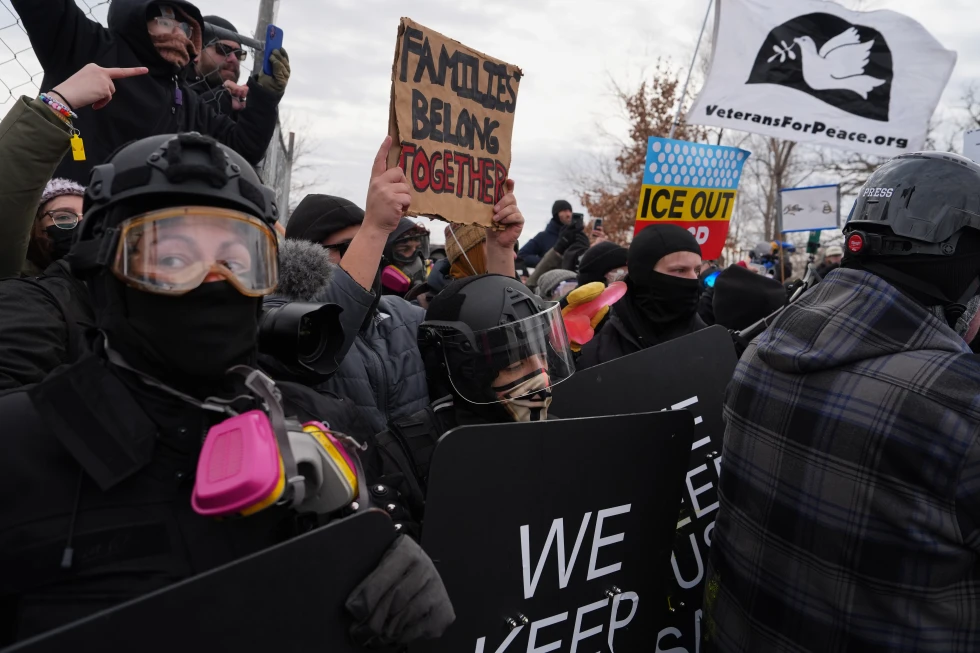
The backdrop for these communications occurred amidst heightened scrutiny and increased activities of federal immigration officers across the city. Amid protests and arrests in communities like Little Village, where many residents are of Mexican descent, the climate was charged and embroiled in contention.
Traceable messages exhibited in court showed discussions about the alleged contract for murder, but additional testimonies, including that from Adrian Jimenez, a key witness who received the Snapchats, raised questions over interpretation. Jimenez revealed he shared the messages with law enforcement based on their content, though he also acknowledged a history of health issues and payments for his work as a government informant, leading to skepticism about his reliability.
As federal narratives continue to paint a picture of gang threats against immigration officials, the credibility and concrete outcomes of the ongoing prosecutions remain under assessment. A closer look reveals that many charges stemming from similar operations have encountered dismissal or severe scrutiny.
If found guilty, Martinez could face a maximum of 10 years in prison. The case stands as a notable event in the ongoing saga of immigration enforcement and the controversies surrounding it in the U.S. today.