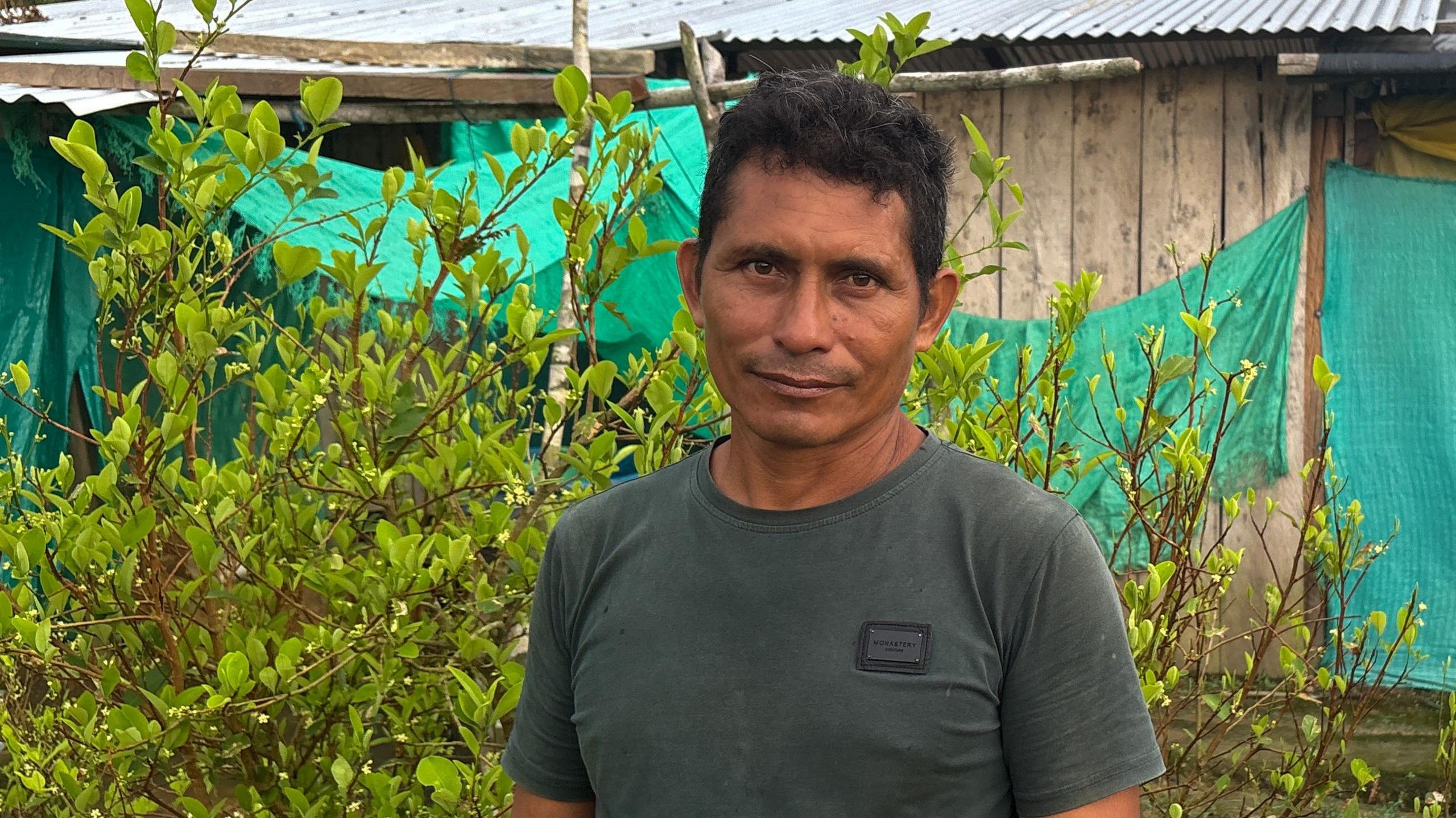
Coca Farmers Struggle as Promise Fades – Colombia’s Failed Conversion Plans
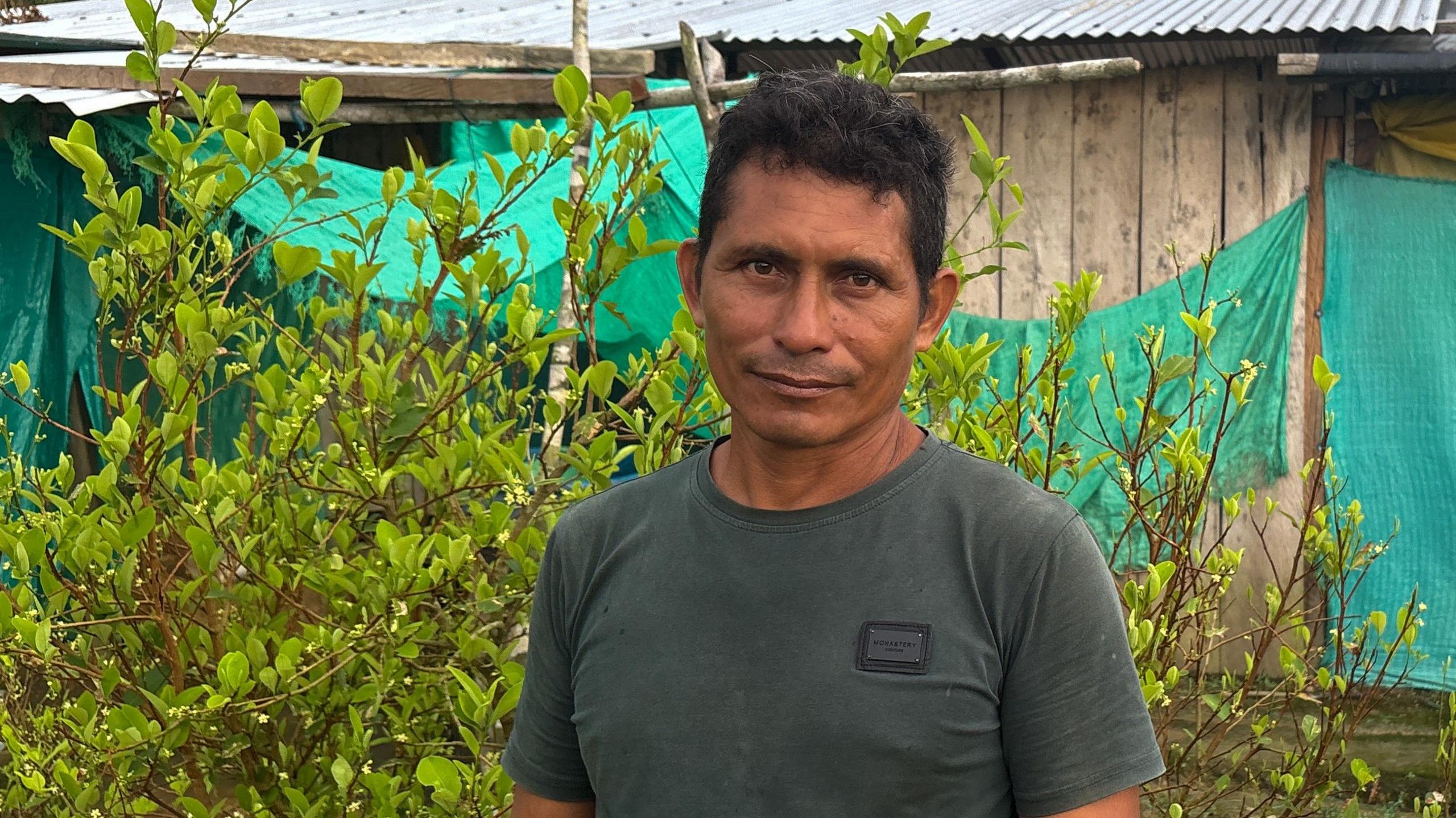
In the heart of Meta, Pablo Perea once proclaimed a decision that seemed impossible in the drug‑trade world: he would never grow coca again. He tore down the plantations that had fed the cocaine industry and planted legal staples such as cassava. But promised subsidies never arrived and the lack of roads made it impossible to sell the new crops, leaving him with nothing but an empty field.
Perea is not alone. In 2017 the Colombian government launched the National Comprehensive Programme for the Substitution of Illicit Crops (PNIS) – the most ambitious effort yet to help farmers replace coca with viable alternatives. The promise was simple: 36 million Colombian pesos spread over two years, technical support, and the chance to build a safer livelihood.
Yet the programme, dragged by delayed payments, weak state presence, and the shifting priorities of successive presidents, repeatedly failed to materialise. In the flood‑ridden, road‑poor landscapes of Meta and Guaviare, farmers say the support was slow or nonexistent. Doralba Bejarano of Puerto Rico, who finally received assistance, describes the relief she felt – no longer hiding coca paste from police or soldiers, with newfound certainty that she could move freely across her land.
The global appetite for cocaine remains strong. Every year, Colombian growers face demand that drives record hectares of coca cultivation – over 250,000 hectares now. Academic Michael Weintraub notes that addiction markets keep the crop alive, while Colombian security remains fragile. Armed groups continue to fill power vacuums, keeping farmers under threat.
In response, President Petro introduced the “Total Peace” policy and a new initiative called RenHacemos, aiming to replace the entire coca economy. RedHacemos promises not just crops but roads, education, and digital connectivity. Yet observers warn that without consistent political backing and reliable funding, no intervention will have lasting impact.
Perea’s story is a microcosm of a larger dilemma: Colombia’s farmers, tethered to coca by failed programmes and hostile environments, may have no alternative but to grow the drug again. For now, they rely on the only livelihood available, working within a system that has yet to deliver on its promises.