In brief
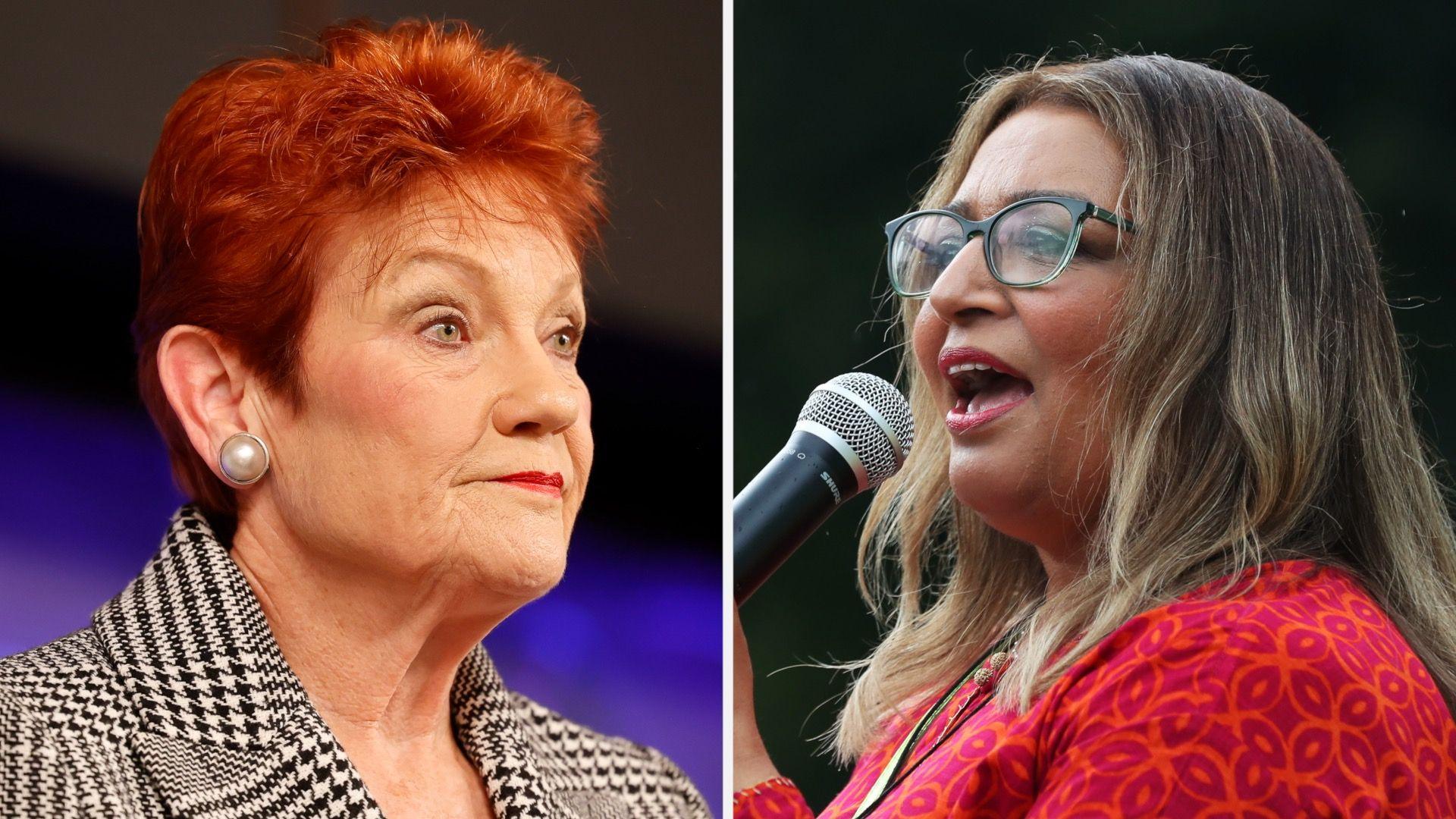
A federal court has upheld a 2024 decision that found Pauline Hanson violated the Racial Discrimination Act after tweeting that a Muslim senator should return to Pakistan. The court ruled the remark was an anti‑Muslim “go back” trope that could have reasonably offended, insulted, or intimidated. Senator Mehreen Faruqi, who protested the tweet as hate speech, has called for accountability in racism. Hanson, a One Nation leader known for anti‑immigration rhetoric, plans to appeal to the High Court. The ruling marks a significant legal stance on hate speech and political speech in Australia.
In a verdict that strengthens protections against hate speech, the Federal Court of Australia upheld a 2024 ruling that Pauline Hanson, chair of the One Nation party, had breached the Racial Discrimination Act when she responded to a condolence post by Senator Mehreen Faruqi with an alleged “go back to Pakistan” message.
The tweet, sent on the same day that Queen Elizabeth II died in 2022, was described by the court as a variant of the long‑used “go back” slogan that targets Muslims. Judge Angus Stewart, in his 2024 opinion, noted that the phrase was a racist trope with a history of alienating Muslim Australians and was “implicitly” aimed at that group. He ordered Hanson to delete the tweet and pay Faruqi’s legal costs.
Far uqi, deputy leader of the Greens, said the court’s decision was a win for those who feel their belonging in Australia is conditional. “Hate speech is not free speech,” she added in a statement outside the courthouse.
Hanson expressed disappointment in the judgment and announced that her advisers would consider a High Court appeal. The case follows a string of public comments by the senator, including a 2023 interview in which she dismissed “good” Muslims and a podcast with far‑right activist Tommy Robinson where she admitted Australia was riddled with “violent Africans” after the end of the White Australia policy.
The ruling carries broader implications for political speech in Australia. The court’s endorsement of the Racial Discrimination Act positions the judiciary as a check on inflammatory rhetoric from public figures, reinforcing that no one is immune from responsibility when their words create a hostile environment for protected groups.