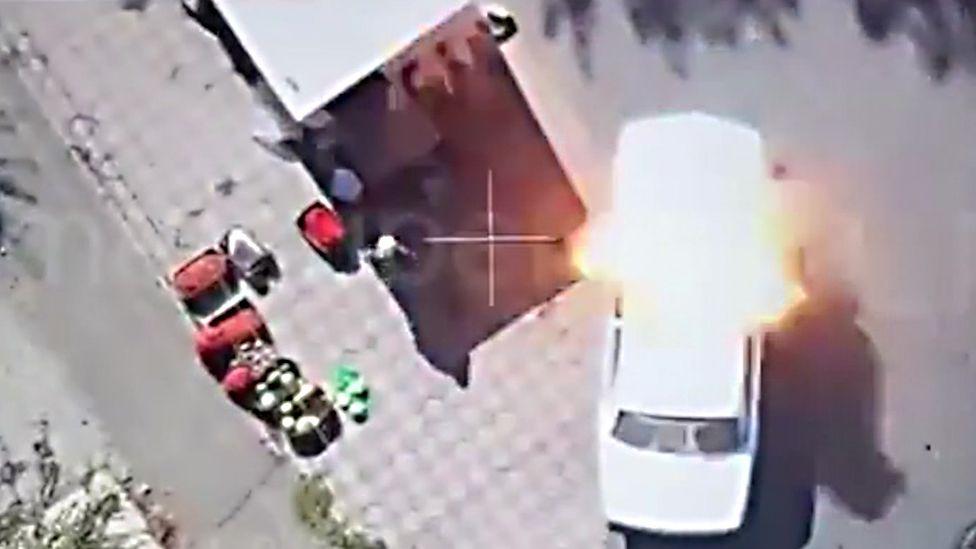
On 4 August 2026, Ukrainian President Volodymyr Zelensky posted a video on social media showing a Russian drone stalking a man on a Kherson street. The footage reveals the drone circling above a vendor’s white van, then diving in before exploding. The attack left the man, a 52‑year‑old vegetable seller named Yuriy, with concussion, multiple shrapnel wounds, and his vehicle destroyed.
Such incidents are part of Russia’s so‑called "human safari"—remote‑controlled drones that target civilians to instill fear in front‑line communities. Ukrainian officials have labelled these raids as deliberate war crimes, citing UN reports that documented repeated civilian attacks in Kherson in 2025.
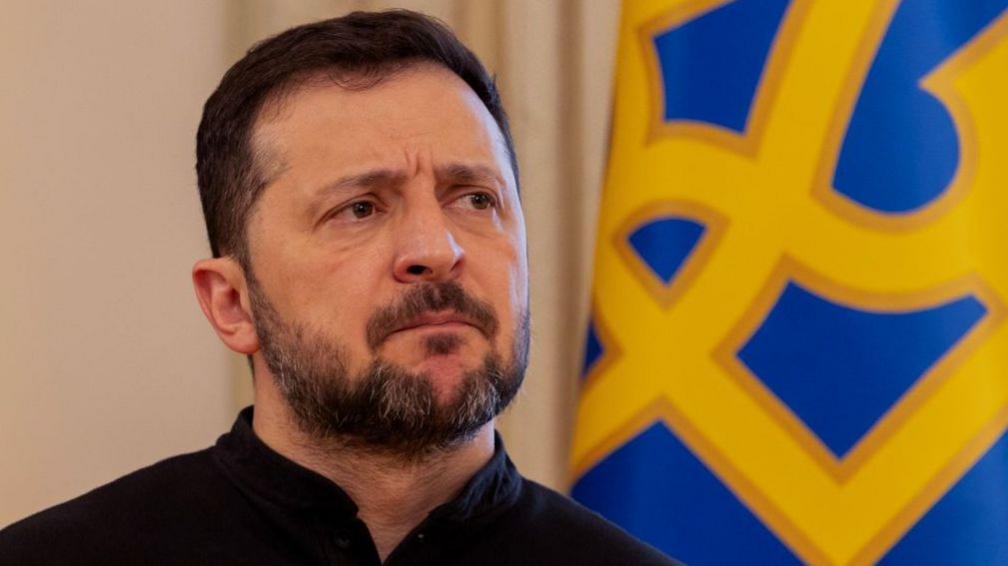
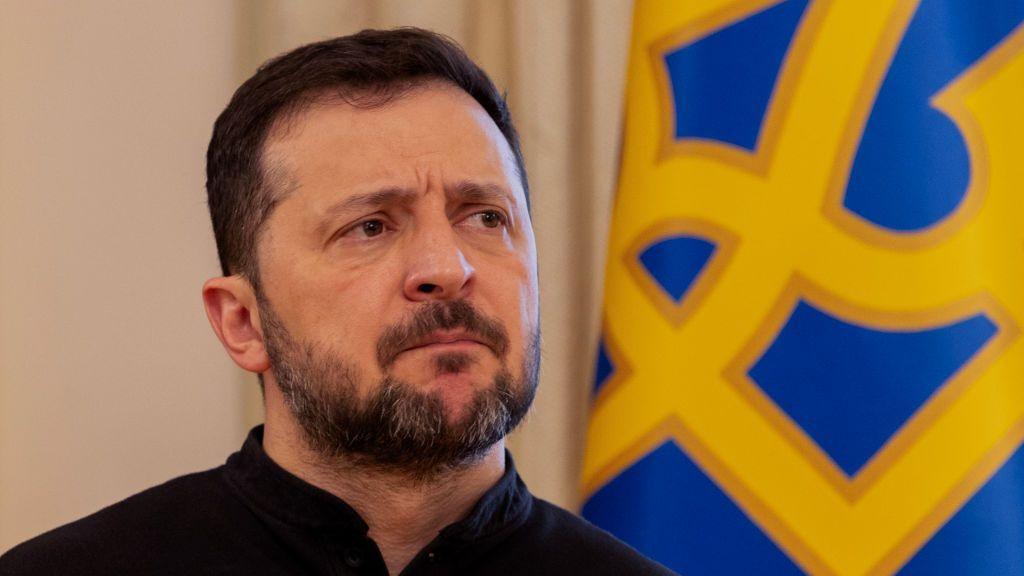
Zelensky’s post urged the world to witness the evidence: "The world must see this," he wrote on Telegram. Ukraine’s foreign minister, Andrii Sybiha, added that the drone’s operator knowingly targeted a civilian and that the campaign was a systematic intimidation strategy.
Yuriy described the moment when the drone hovered and screamed over his market stall. He cast tomatoes, cucumbers, and eggplants toward the camera in a desperate gesture of non‑hostility, yet the drone continued, finally detonating upon contact. He survived, albeit with visible trauma and shrapnel embedded in his body.
Investigation by BBC Verify mapped the video to a market space beside a roundabout in the Tavriiskyi district of northern Kherson. The earliest public copy circulated by a pro‑Ukrainian Instagram account surfaced on Tuesday morning, illustrating the rapid spread of such footage among civilians.
The incident serves as a stark reminder of the evolving nature of warfare, where intelligent drones now replace boots on the ground, turning ordinary civilians into liability markers. International condemnation and accountability are crucial to deter such tactics and protect those caught in the far‑ceiling shadow of conflict.