
In brief
The latest wave of attacks on healthcare in Ukraine has taken a deadly new form: Russian FPV drones are hunting ambulances and medics, a tactic described by Ukrainian authorities as a deliberate ‘human safari’. Emergency medical worker Inna Lytvynenko recounts being chased and nearly struck by a drone while tending to a wounded patient in Kherson. WHO officials report the attacks have risen to a 20% share of all healthcare assaults, while Doctors Without Borders confirms systematic targeting. These strikes cut off vulnerable civilians from life‑saving services and raise grave concerns about violations of the Geneva Conventions.
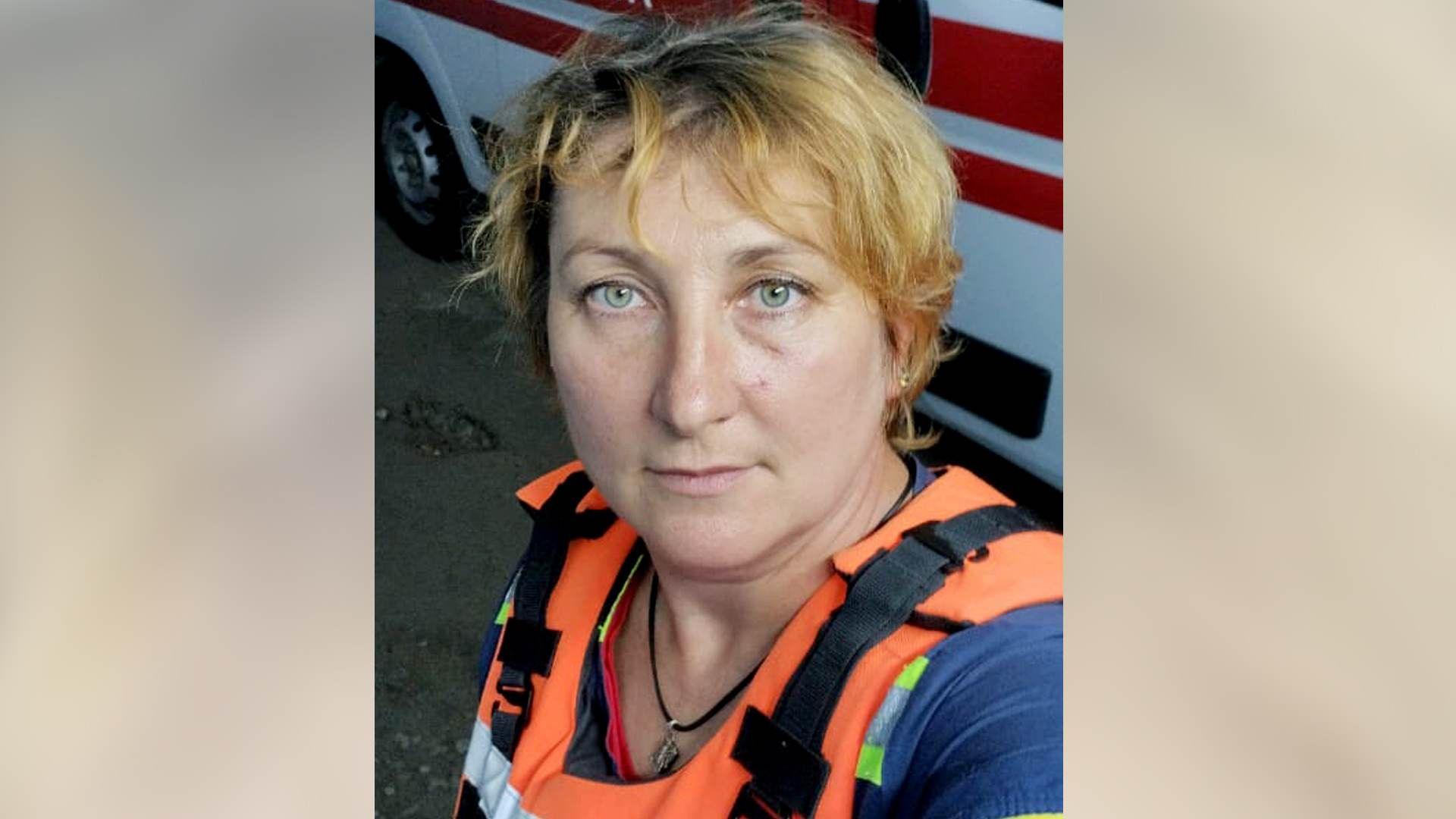
Inna Lytvynenko, a paramedic in Kherson, recounted how a Russian combat drone hunted her during a routine call on July 15. The drone first crashed into her ambulance and then flew again at high speed, forcing her to run to safety, “I knew that if I stopped I would die.”
This incident is part of a growing pattern described by Ukrainian officials and NGOs as “human safari” attacks, where drones chase first responders to kill or delegitimize medical aid. According to WHO, 20% of the 3,118 attacks on healthcare since February 2022 were on ambulances.
The attacks have continued with two more vehicles arriving to evacuate a wounded woman caught in early strikes, and a third police car finally left the scene hours later. President Volodymyr Zelensky urged immediate pressure on Russia to stop these deliberate hunts.
MSF’s Robin Meldrum notes that FPV drones enable pilots to see the target live, making hits on ambulances almost always intentional. The blurred eye of these machines, combined with an expanding operational range, forces mobile clinics to move deeper from frontline zones, leaving vulnerable elderly populations cut off from health services.
Why this matters: As the war enters a new stage of drone dominance, violations of the Geneva Conventions grow, destabilizing the humanitarian landscape and threatening lives behind the frontlines.

