
In brief
Prime Minister Benjamin Netanyahu's recent ceasefire announcement has stirred mixed reactions among displaced Israelis, with fears over security and distrust toward both the Lebanese military and the ongoing threat from Hezbollah highlighted.
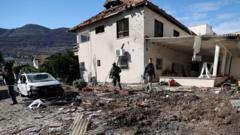
The recent ceasefire agreement between Israel and Hezbollah has sparked significant anger and distrust among displaced Israelis. Prime Minister Benjamin Netanyahu touted the ceasefire as a strategic move, claiming Israel achieved "unprecedented successes" during a tumultuous year marked by a multi-front conflict. Netanyahu asserted that Hezbollah had been severely weakened, stating it was "set back tens of years," and sought to emphasize Israel's military resolve despite global criticisms.He insisted that the ceasefire would facilitate a more focused response to perceived Iranian threats, pledging to retain Israel's military capability against any future Hezbollah aggression. Despite this narrative, voices from northern Israel reveal a community deeply unsettled by the possibility of returning home. With consistent alerts of rocket attacks and drone strikes, residents remain apprehensive.An overwhelming majority of Netanyahu's political supporters reportedly oppose the ceasefire. Displaced individuals, evacuated from their homes, echoed sentiments of frustration and skepticism. Many, including local teacher Shelly from Shlomi, argue that the ceasefire represents a hasty political maneuver without regard for security. Others, like Rona Valency from Kibbutz Kfar Giladi, admitted to a mix of hope for peace and dread regarding Hezbollah's potential resurgence in areas surrounding their homes.Rona expressed a longing for the safety of returning to her village while simultaneously grappling with concerns over Hezbollah's presence nearby. Reflecting a broader sentiment, her husband Onn noted that their only assurance of safety lies with the Israeli Defense Forces, expressing distrust in both the Lebanese military and American efforts to stabilize the region.Despite military accomplishments against Hezbollah, including damaged arsenals and fractured alliances, the challenge persists for Israel as its economy falters, and displaced citizens continue to face uncertainty. With many urging Netanyahu to persist with military actions in Lebanon, questions loom about the future of security and the government's decision-making amid a complex geopolitical landscape in the region.

