In brief
In the midst of escalating tensions surrounding immigration enforcement in Minnesota, the Trump administration is advocating for the dismissal of a lawsuit instigated by Minnesota officials. The lawsuit seeks to constrain federal immigration actions, notably after a controversial shooting incident. The Justice Department maintains that its actions comply with federal law, while local leaders challenge the constitutionality and safety of these operations. With public protests growing and legal scrutiny looming, the clash poses significant implications for state-federal relations on immigration policies.
MINNEAPOLIS (AP) — The Trump administration is urging a judge to reject the efforts by Minnesota and its largest cities to halt the ongoing immigration enforcement actions that have caused unrest in Minneapolis and St. Paul over the past few weeks.
The Justice Department has labeled the lawsuit, filed after the fatal shooting of Renee Good by an immigration officer, as legally frivolous. Government attorneys argue that the Department of Homeland Security is exercising its legal authority to enforce immigration laws.
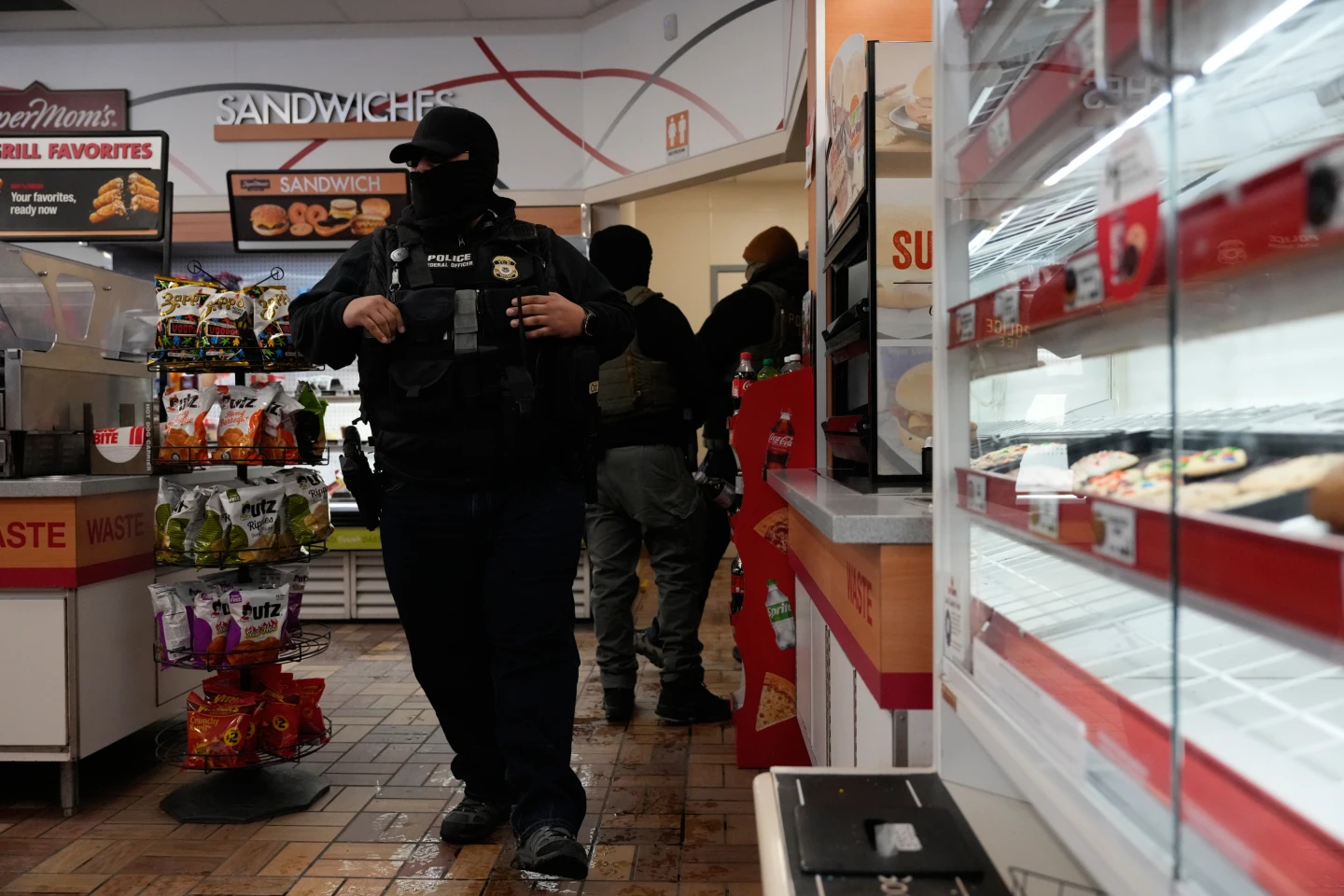
Operation Metro Surge has reportedly resulted in over 3,000 arrests of individuals believed to be unlawfully present in the country. The Justice Department asserts that this operation has bolstered public safety in Minnesota.
Simply put, Minnesota is seeking a veto over federal law enforcement, Justice Department attorneys stated in court.
Meanwhile, Minnesota Attorney General Keith Ellison contends that the federal government is violating constitutional rights, claiming the armed immigration officers involved are inadequately trained. He is advocating for the cessation of what he describes as an invasion of local communities.
The lawsuit, initiated on January 12, seeks to restrict or halt these enforcement actions. Further legal maneuvers are anticipated, although the timeline for U.S. District Judge Katherine Menendez's decision remains unclear.
Ilan Wurman, a constitutional law professor at the University of Minnesota Law School, expressed skepticism regarding the state's legal arguments, asserting that federal law supersedes state law in immigration matters. He noted that the president retains the authority to reallocate federal resources for enforcement.
Julia Decker, policy director at the Immigrant Law Center of Minnesota, disclosed her frustration concerning the opaque nature of arrest data, calling attention to reports of U.S. citizens being apprehended inappropriately during these enforcement actions.
Good, aged 37, was killed on January 7 when she attempted to move her vehicle, which had been obstructing a street where ICE operatives were conducting operations. While federal officials claim the officer acted in self-defense, videos appear to contradict that assertion, showing Good's vehicle moving away at the time of the incident.
In the aftermath of the shooting, public protests have intensified, with demonstrators confronting law enforcement and expressing their anger through various means, including shouts and the use of whistles. Law enforcement response has included the deployment of tear gas against protesters.
The federal government's aggressive response to immigration issues has sparked concerns among local residents and civil rights advocates, complicating an already contentious state-federal relationship.