Floods expose Nepal’s hydropower vulnerability amid climate change
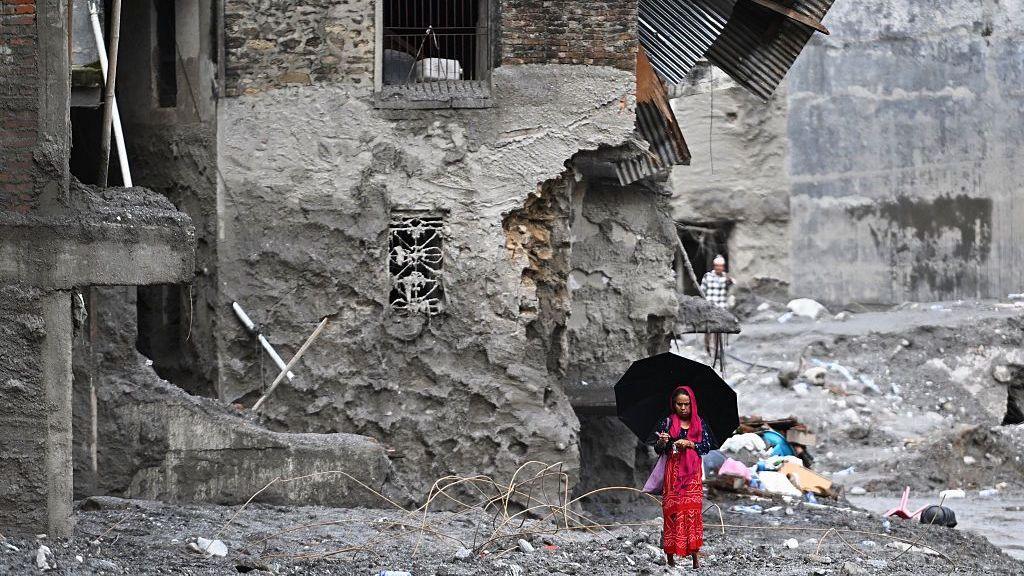
KATHMANDU, Nepal – The torrential rain that swept across the high Himalaya last week shattered 12 hydropower plants on the Trishuli River basin, killing more than 1,300 people and knocking off a tenth of Nepal’s power output.
Almost 100 % of the nation’s electricity is generated from water, a natural bounty that also brings the country roughly £147 million of export income every year. Yet the glaciers that feed that water are melting faster than the global average, turning Nepal’s life‑line into a risk.
Local officials confirmed that 12 plants, half owned by the Nepal Electricity Authority, were heavily damaged. Service to households remains steady, but experts warn that the country’s “single‑point” energy design may collapse under future storms.
The recent flood underscored an already‑common pattern: the Trishuli basin has suffered two major floods in the last two years, and in 2026 a glacial lake burst in Tibet sent a wave through Nepal, disrupting trade and domestic power.
Renewable energy experts say Nepal’s over‑reliance on “egg‑in‑one‑basket” hydropower is problematic. They call for a shift toward solar and wind, which in Nepal show ten‑fold potential compared to hydro. At the same time, new designs that incorporate reservoirs could offer better flood resilience, albeit at higher costs.
Insurers have already paid out £40 million on flood damage at private plants, and premiums are climbing to unsustainable levels for operators.
On the political front, Nepal’s Climate Action team urges international cooperation: “Climate risks are global and cannot be managed by Nepal alone,” said Manjeet Dhakal of the UN climate delegation.

From the front lines
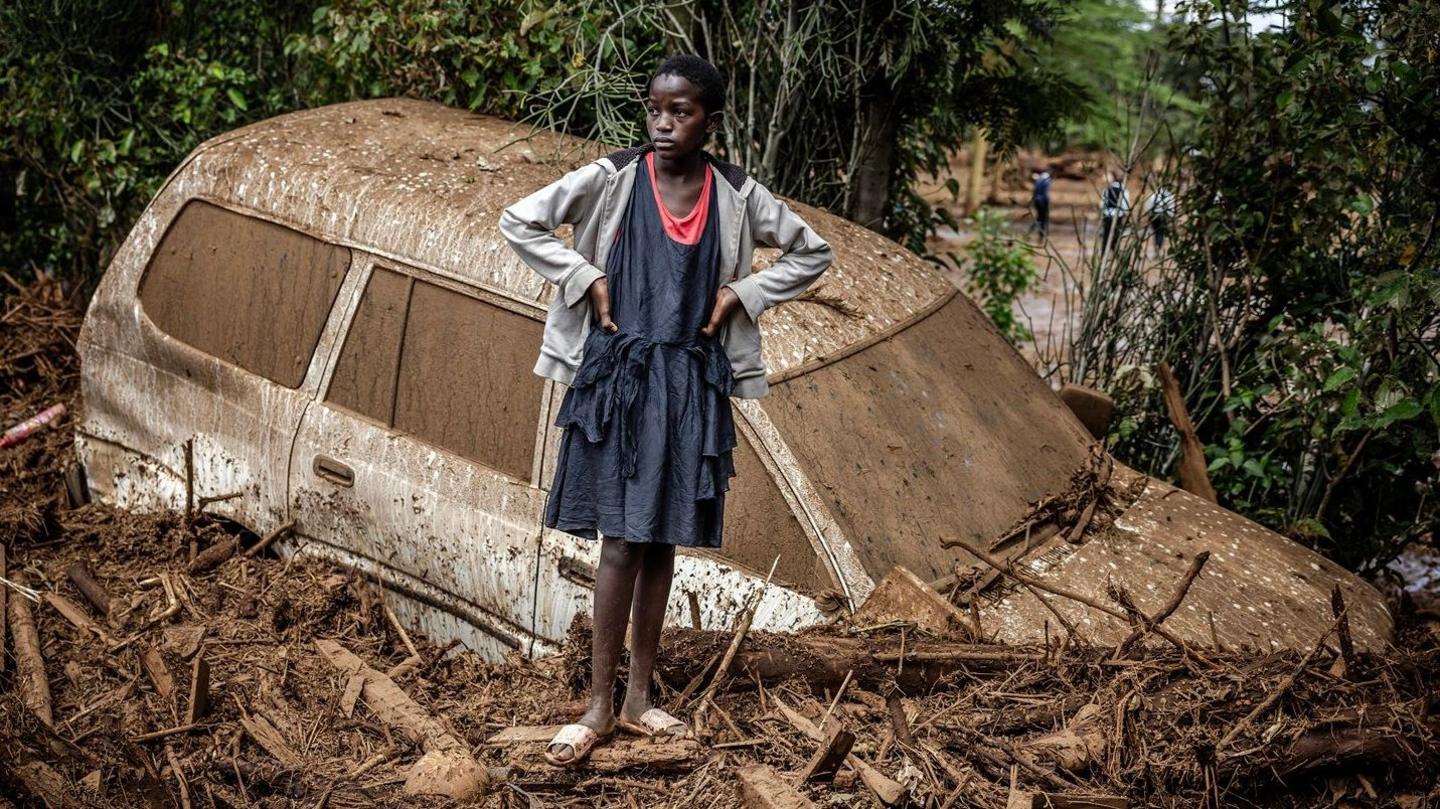
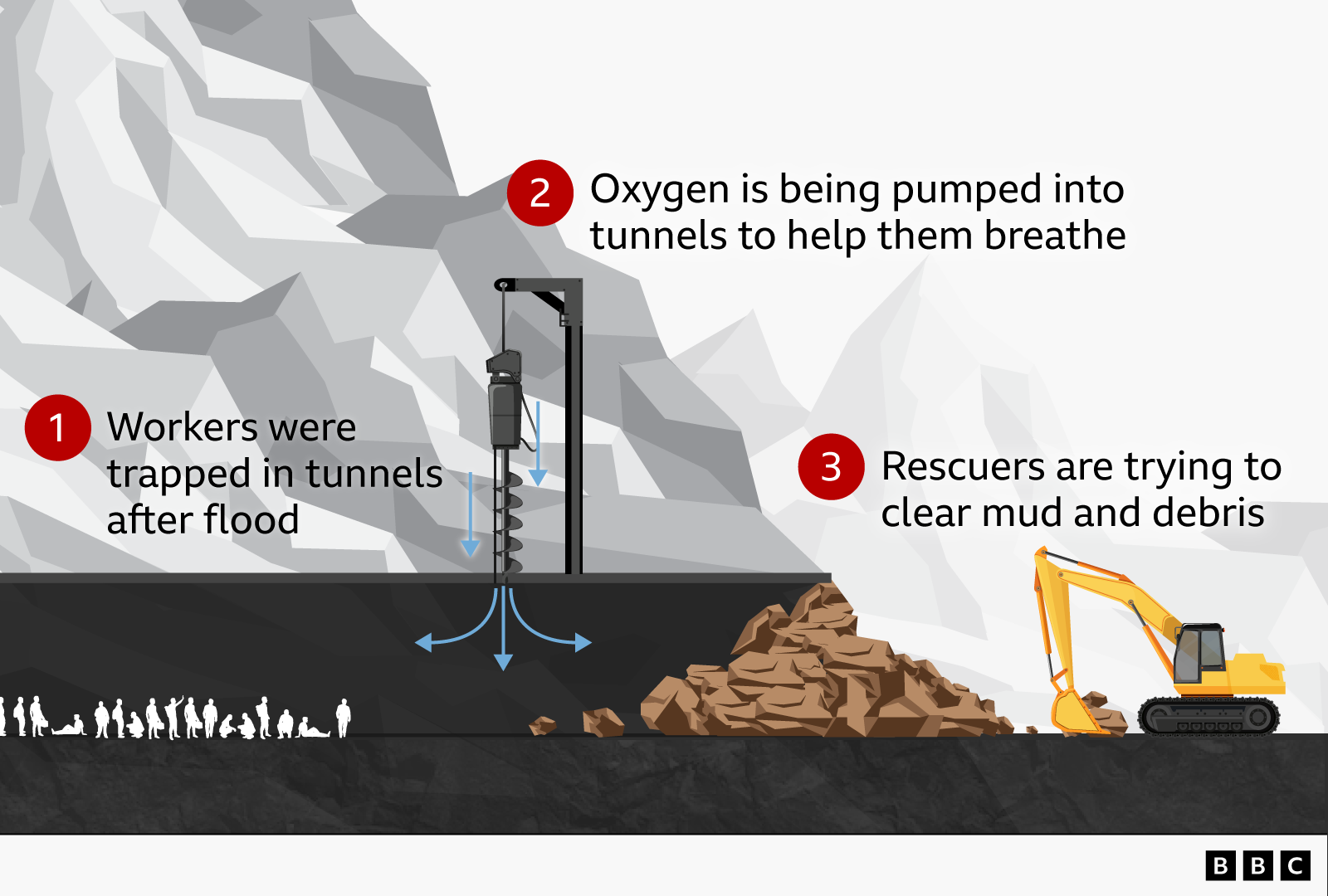
More than 1,300 people have died in the disaster, and the flood may have trapped thousands inside damaged tunnels. Rescue teams are still digging through mud for survivors.
What’s next for Nepal?
The damage calls for a comprehensive review of hydropower design, risk mitigation and diversification into less vulnerable renewable sources. International donors and climate agencies will have to step in to support the needed transition.