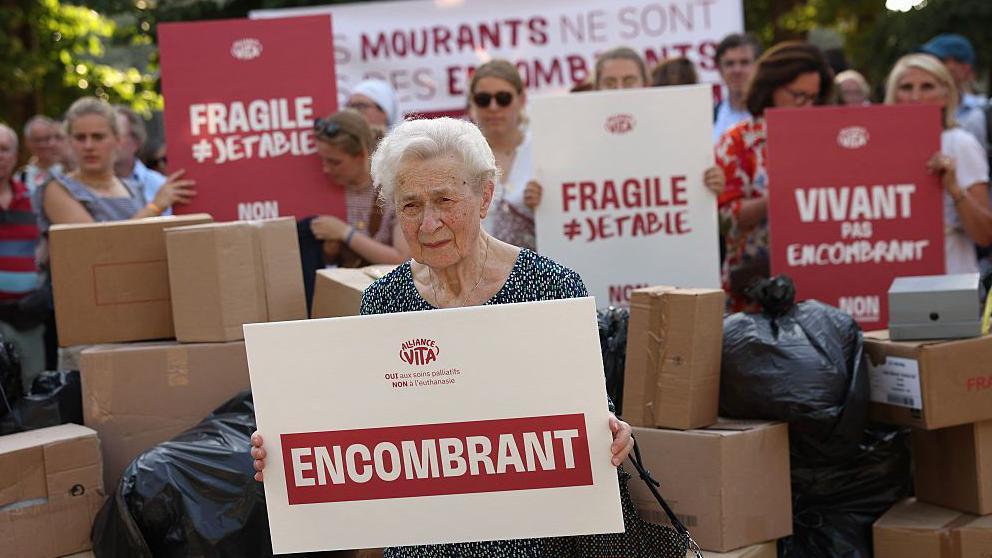
French MPs have confirmed a controversial assisted‑dying law after a 291–241 vote in the National Assembly, marking a major shift in end‑of‑life policy. The bill, once rejected three times by the Senate, now allows adults with a serious and incurable life‑threatening illness to choose an assisted death under strictly defined conditions.
To qualify, a patient must be in an advanced or terminal stage of a disease that leaves them in constant physical or psychological suffering that is either unbearable or resistant to treatment. The patient must freely state their intention to a physician, who then has 15 days to assess and approve the request. After a mandatory two‑day period of reflection, the patient must self‑administer a lethal substance; if unable to do so, a doctor or nurse may deliver it. The physician must confirm the patient’s decision on the day of administration.
Prime Minister Sébastien Lecornu has pledged to submit portions of the bill to France’s Constitutional Council for a constitutionality review. The Council will examine three key aspects: the two‑day reflection period’s adequacy, safeguards to ensure informed consent for patients with impaired judgment, and the role of health facilities that traditionally provide palliative care.
The legislation places France in line with several European states that permit assisted dying, including the Netherlands, Belgium, and Switzerland, though specifics differ. Meanwhile, a UK bill on similar grounds returned to Parliament in September after stalling earlier this year.
The debate remains highly contentious. Opposition figures from the Catholic Church and parts of the medical profession fear an erosion of professional ethics and potential misuses. Nonetheless, opinion polls indicate a majority of the French public support giving terminally ill citizens the choice between palliative care and legal assisted dying.
Given past delays—most notably President Emmanuel Macron’s snap elections two years ago and Prime Minister Lecornu’s own reservations—the passage marks a decisive moment. The legal framework will now await the Constitutional Council’s scrutiny before becoming enforceable law, potentially reshaping France’s approach to end‑of‑life decision‑making for years to come.