From Dissenter to Ally: The Political Odyssey of Senator Lindsey Graham
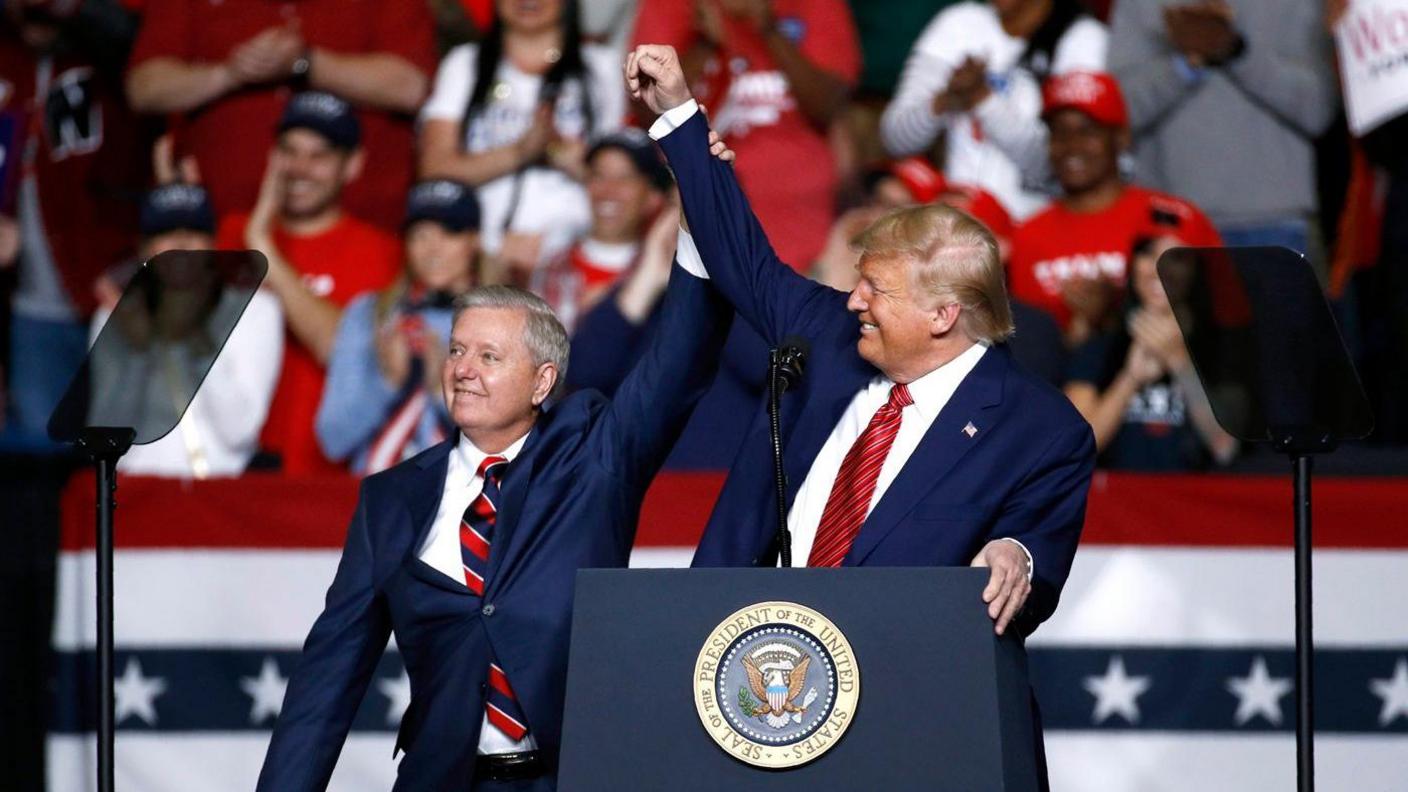
Legacy of resilience – Graham’s life in the Senate forged a record of adaptation, spanning hawkish foreign policy, unwavering support for Israel, and a willingness to recalibrate in response to the seismic shift that brought Donald Trump to the White House.
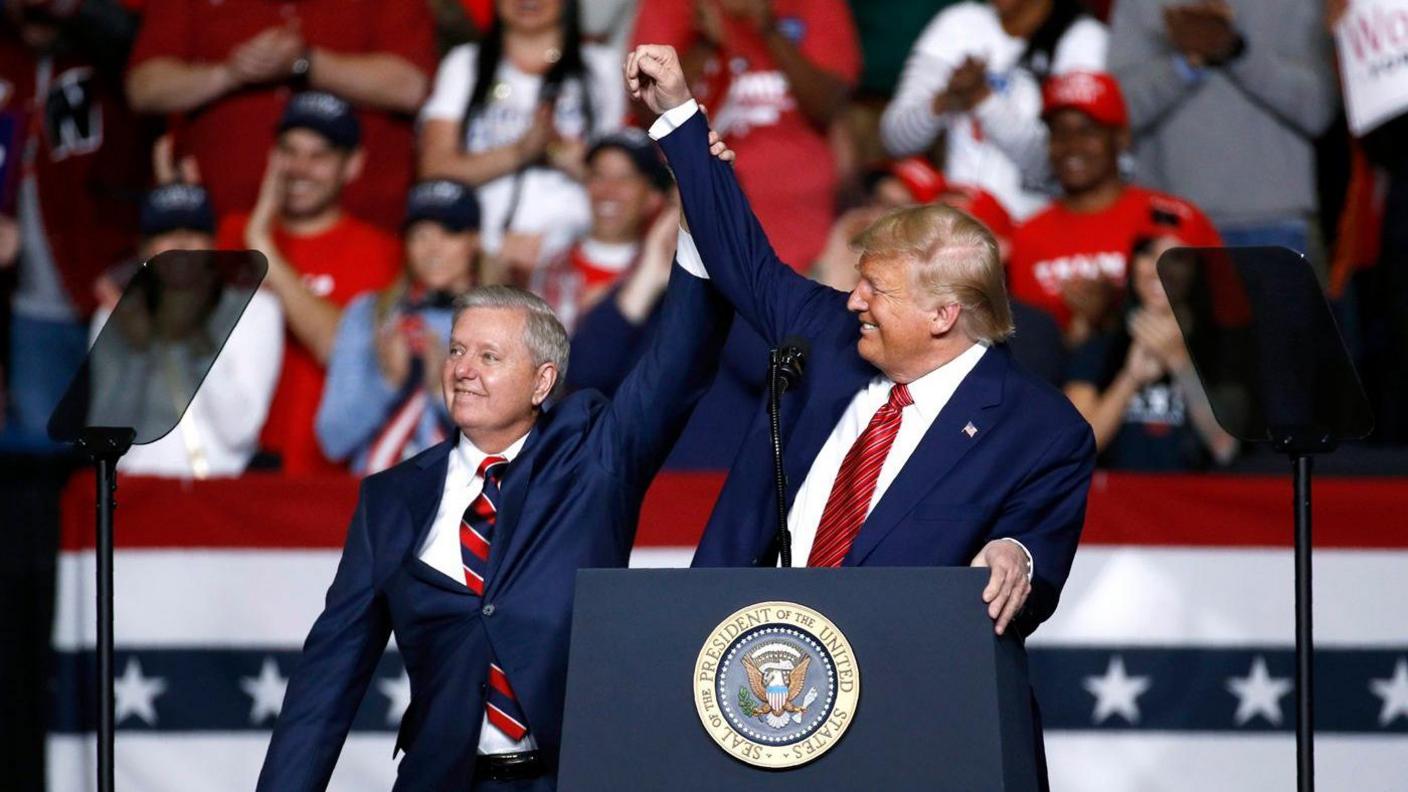
Elected in 2002, Graham initially positioned himself near fellow conservative Senator John McCain, valuing independence even within the GOP. His 2015 presidential bid framed him as a bridge for divided politics – joking about a White House bar where “we’ll solve problems” – before he publicly chastised Trump over McCain’s war‑hero status, brand‑checking the former president with a “jackass” label and a triumphal spin of phone numbers across rally crowds.
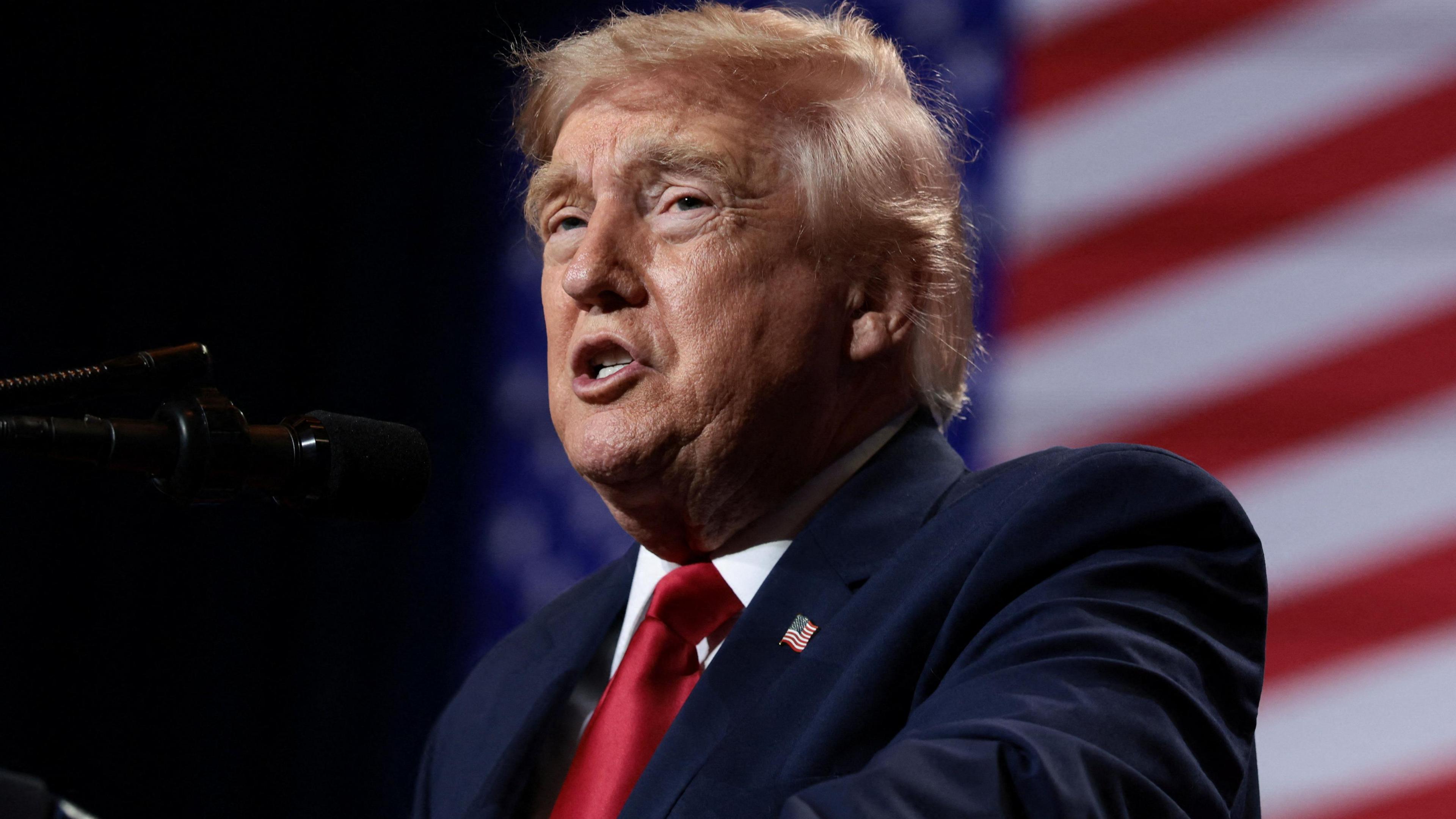
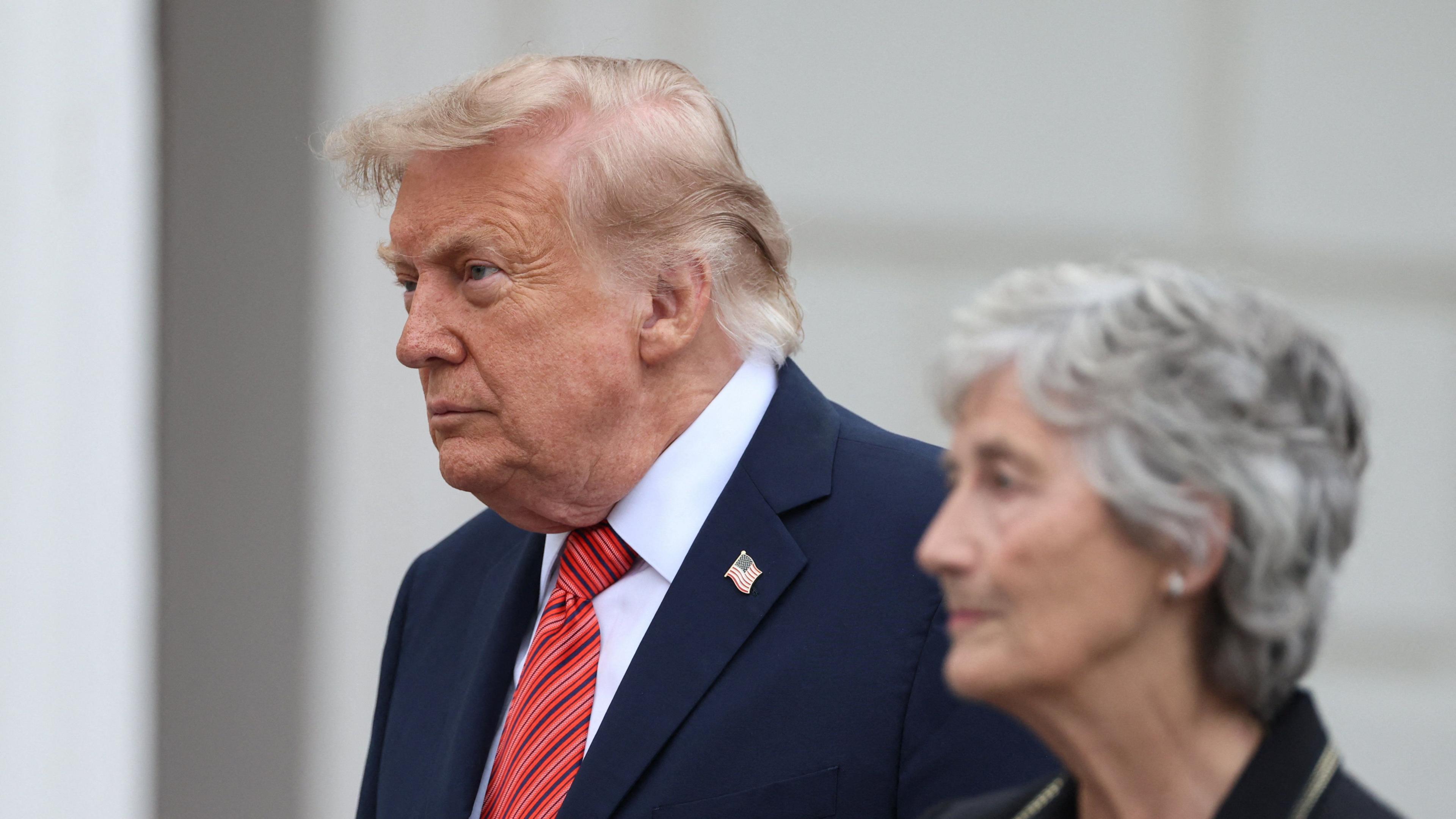
The start of Trump’s rule forced Graham to shift. He withdrew support from the 2016 general election, stone‑walling votes for both Clinton and the party base, and later, as Trump won, turned into a regular ally. He appeared on camera with the president at every key moment: from confirming Brett Kavanaugh to endorsing military strikes in the Middle East, and from supporting sanctions against Russia to maintaining dialogues with Democratic colleagues.
After the storming of the Capitol in January 2021, Graham issued an apology, declaring a break with Trump and declaring, “count me out. enough is enough.” Yet he reversed that stance, voting to acquit Trump in February 2021 and backed Trump in the 2024 Republican bid, arguing his evaluation rested on the president’s record, not regime terms.
Graham’s death creates an open seat in South Carolina, placing the state’s Senate race on a new trajectory. Governor Henry McMaster will appoint a placeholder for the remainder of the year, and the GOP will scramble to recruit a candidate who can carry forward Graham’s influence and seniority amid a climate of high disapproval for Trump and shifting voter priorities.
While his legacy remains contentious, Graham’s story exemplifies the fluidity of political allegiance, the resilience of personal influence, and the complex web of alliances that define a turbulent American era.