In brief
In South Korea, Gen Z has created a humorous backlash against middle-aged men dubbed 'Young 40s', who are mocked online for trying to adopt youthful fashion trends. This reflects a broader cultural shift where younger generations are increasingly skeptical of traditional age hierarchies and express this through memes and social media. As society grapples with changing norms, the mocking of 'Young 40s' symbolizes deeper issues of privilege, societal expectations, and the desire for youth across ages.
In South Korea, the rise of a new meme, referring to middle-aged men as 'Young 40s', has sparked conversations about generational identity and fashion. These men, often in their 40s, are ridiculed for adopting trends more aligned with younger generations, particularly Gen Z. This phenomenon was ignited with the introduction of the iPhone 17, which led to a cultural perception shift, now associating the device with a desire among older generations to maintain a youthful image.
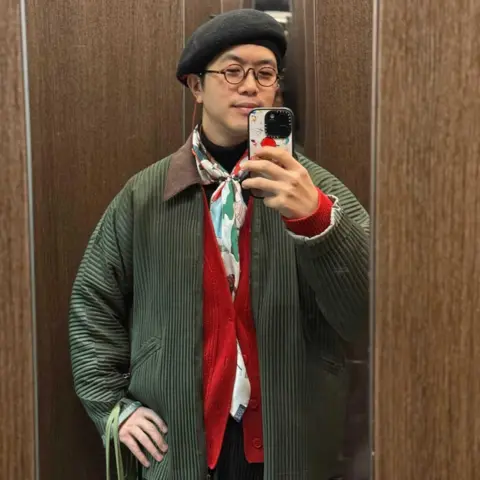
Ji Seung-ryeol, a 41-year-old fashion enthusiast, shares mirror selfies showcasing his style. However, he was surprised to learn that his love for trendy items like Nike Air Jordans was the subject of mockery online. The term 'Young 40s' has become synonymous with individuals perceived as desperate to hold onto their youth.
The dialogues surrounding these memes reflect changing dynamics in South Korea, where age and generational status usually dictate societal hierarchies. Gen Z’s use of humor against the 'Young 40s' illustrates a growing skepticism towards traditional norms, as younger generations champion authenticity over seniority.
Past trends indicate similar generational riffs with labels such as 'Geriatric Millennials', showcasing a pattern where youth experiences are often met with mockery. Marketing trends initially celebrated the 'Young 40s', seeing them as health-conscious and active consumers; however, public sentiment shifted as memes depicted these age groups as 'trying too hard' to stay relevant.
As society continues to evolve, so do the narratives around age, style, and privilege. For many like Ji and his contemporaries, navigating this cultural minefield brings feelings of insecurity and self-consciousness, underscoring a complex interplay between desire for acceptance and the inevitable passage of time.