In brief
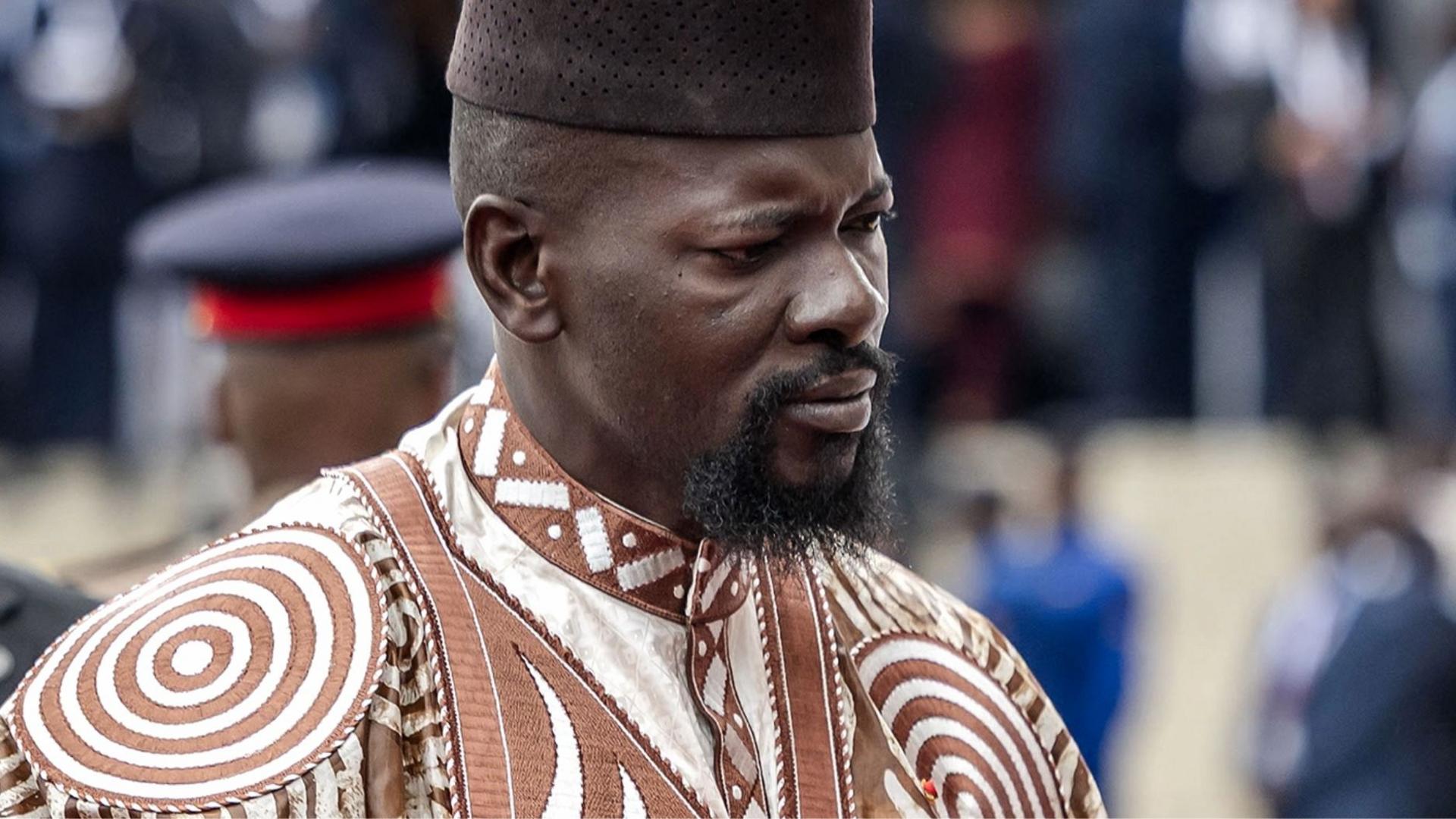
In a sweeping purge announced on state television, President Mamady Doumbouya dismissed more than 170 soldiers for desertion, among them Colonel Michel Lamah – a pivotal figure in the 2021 coup that brought Doumbouya to power. The dismissal is seen as part of a broader effort to consolidate the president’s control and curb potential challenges. Colonel Lamah, who once served as the head of the Special Forces Group, had been photographed in a vehicle carrying the former president during the coup. The decision follows Doumbouya’s own controversial electoral victory where he secured 87% of the vote after previously pledging not to run for the presidency. Meanwhile, the country has faced a crackdown on civil liberties, with media shut down and opposition parties suppressed.
In a decree aired on state television this Monday, Guinea’s civilian president Mamady Doumbouya ordered the dismissal of more than 170 military personnel for “desertion,” the announcement said. The list includes Colonel Michel Lamah, a former commander of the elite Special Forces Group who played a key role in the 2021 coup that toppled President Alpha Condé.
The move is part of a broader effort to consolidate Doumbouya’s control over the armed forces and pre‑empt any potential challenges to his leadership. State media had not released details on the alleged circumstances surrounding the desertion of the 173 soldiers.
Doumbouya’s political trajectory has been controversial. A former coup leader who had pledged not to run for office after the 2021 seizure of power, he later stood for the December presidential election, winning a contested 87% vote. His victory sparked accusations of democratic backsliding, with critics noting increased crackdowns on civil liberties, media closures, and suspension of opposition parties.
The dismissal came as Guinea pursues a strategy to shift from a raw‑materials exporter toward industrial processing, a move that could reshape the country’s economy in the arc wake of the military’s growing influence.
Colonel Lamah’s involvement in the coup earned him public attention when he was photographed in a vehicle transporting the deposed president out of the presidential palace. The retreat marked a dramatic turning point for Guinea, wherein the new civil‑military administration asserted tight control over political dissent and strategic sectors.