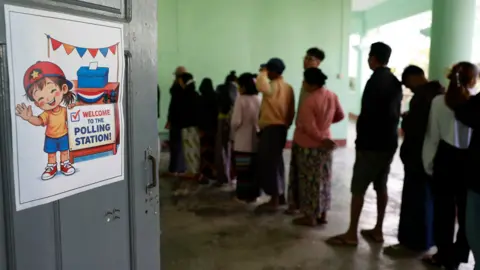
Hongkongers are voting in an election seen as a test of public sentiment following a deadly fire that angered some residents. The government has mounted a huge campaign to encourage residents to choose members of the Legislative Council (LegCo), ensuring all candidates have been vetted for allegiance to China.
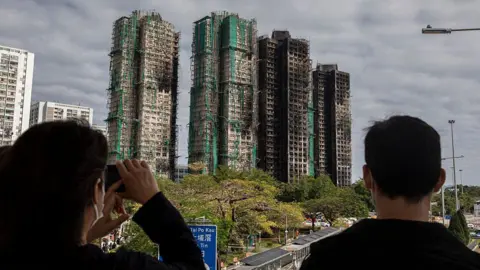
The election coincides with mourning for the Tai Po fire that occurred on November 26, claiming nearly 160 lives—the worst blaze in Hong Kong in over 70 years. The tragedy has raised questions about building safety, especially as many citizens reside in aging high-rise structures similar to those involved in the fire.
In response to public outcry, the government has launched initiatives to support survivors, including aid distribution and investigations into safety protocols. Authorities have created an independent committee to look into the incident, and arrests have been made for suspected manslaughter related to the fire. Furthermore, critical safety changes, such as banning certain types of scaffolding mesh, are under discussion.
In total, 161 candidates are vying for 90 seats in the LegCo, acting as a mini parliament capable of legislative changes. This election marks the second since major electoral changes were implemented by Beijing in 2021, purportedly to ensure stability but criticized for undermining democratic processes.
The government is vigorously promoting participation in the election, distributing incentives like shopping discounts and vouchers for services post-vote. Events such as public swimming pool access and neighborhood carnivals are also organized to foster a festive atmosphere.
Despite government efforts, public response remains uncertain. Analysts express concerns that many Hongkongers, particularly those favoring opposition voices now prevented from contesting, may opt out of voting. Experts believe that perceived governance failures highlighted by the Tai Po fire might further discourage voter turnout, even amongst pro-establishment groups.
Chief Executive John Lee maintains the need for the election to proceed as planned, framing it as a step towards reconstruction and reform. As Hong Kong faces a crossroads between political participation and grappling with collective grief, the LegCo election could serve as a pivotal moment in the city’s evolving political landscape.