
In brief
Yemen’s Houthis announced a maritime embargo on Saudi Arabia, declaring the Bab al‑Mandab Strait closed to Saudi vessels. The move comes after Saudi bombardments of Yemeni airports and a three‑year blockade of Houthi ports. The embargo threatens to disrupt global oil flows that travel through the Red Sea and redirects Saudi exports to East‑Africa ports. Experts warn that even a threat may unsettle shipping schedules and increase risk for commercial vessels.
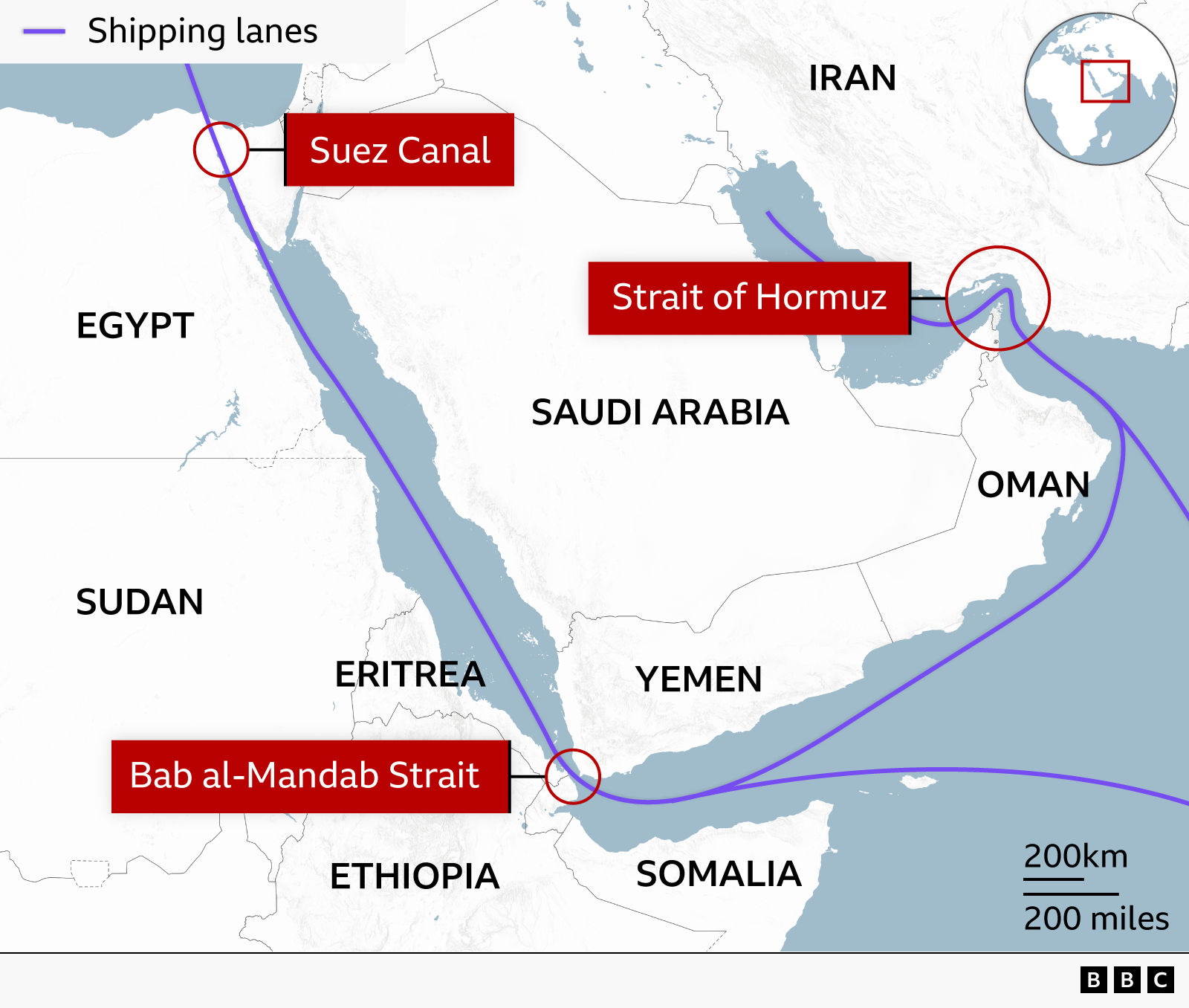
The Iranian‑backed Houthi movement in Yemen announced a maritime embargo against Saudi ships today, claiming to close the Bab al‑Mandab Strait – the southern entrance to the Red Sea – to vessels loyal to Riyadh.
The embargo follows months of Saudi air strikes on Yemeni airports and a 12‑year blockade of Houthi ports and airports. Houthi spokesman Yahya Sarea said the move was retaliation for the Saudi blockade, describing it as “unjust and oppressive.”
Saudi Arabia’s foreign ministry has condemned the claim, stating it would “take all necessary measures to protect its ships in accordance with international law.” Yet the threat has already triggered panic in shipping circles, with analysts warning that any real blocking could ripple into global oil markets.
The Bab al‑Mandab Strait, a 32‑km (20‑mile) channel between Yemen’s coast and the Horn of Africa, carries roughly 7% of world oil exports. In recent weeks, Saudi crude exports have surged to about 4 million barrels per day via the Red Sea port of Yanbu after the Strait of Hormuz was closed during the Gaza war.
Historic attacks by Houthi drones and missiles on merchant vessels have already reduced transit rates through the strait, and the latest embargo could further deter shipping traffic, forcing vessels to reroute around southern Africa and increasing insurance premiums.
