In brief
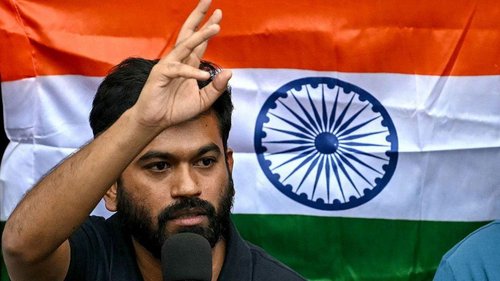
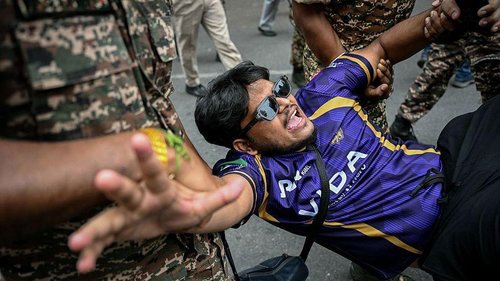
Indian courts label some unemployed young people as 'cockroaches' and a fringe group called the Cockroach Janta Party (CJP) set out to march in Delhi to protest. Despite the police refusing to grant permission, the CJP leader, Abhijeet Dipke, was detained with many other leaders upon arrival in Delhi. The CJP continues to insist on holding their protest and ballots for new the future. Detentions resulted in protesters slamming bus windows as they were escorted away. BBC correspondent Azadeh Moshiri reports how the movement is unfolding against a backdrop of fear and heightened security in the city.
On Thursday, Delhi police detained more than 300 demonstrators who marched under the banner of the Cockroach Janta Party, an anti‑government movement that sparked after the Chief Justice’s remark that some unemployed young people were “cockroaches”.
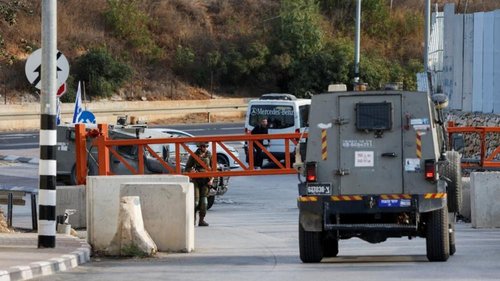
The presence‑independent show of dissent was planned despite the police’s denial of permission. Tens of thousands of security guards were stationed on the city’s major roads, and the protest route was blocked by barricades.
The group’s founder, Abhijeet Dipke, could be seen in a viral video being led away by officers on a private bus, an image that has become a symbol of the crackdown.
Despite the bans, the party stood by its resolve: “We will go ahead,” said Dipke, and several hundred protesters lined up, only to be met by a surprise detainment squad.
BBC journalist Azadeh Moshiri on the ground explains the background of the movement, the impact on Delhi’s civic life, and India’s broader climate of protest under rising political pressure.