Budapest's iconic Chain Bridge links both sides of the city - beautiful Buda with vibrant Pest - across the river Danube. At night, the lights that illuminate the bridge shimmer like mini moons in the waters below.
However, following a historic election result that unceremoniously booted Prime Minister Viktor Orbán out after 16 years in government, the bridge was lit up in red, white, and green - the colors of the Hungarian flag.
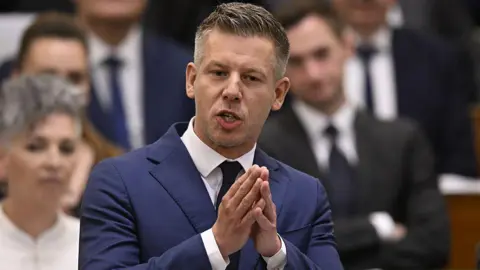
Supporters of the triumphant Péter Magyar and his Tisza party feel they are reclaiming their country. We did it, he exclaimed in his victory speech. We brought down the Orbán regime - together we liberated Hungary. We took back our homeland! Thank you! Thank you all!
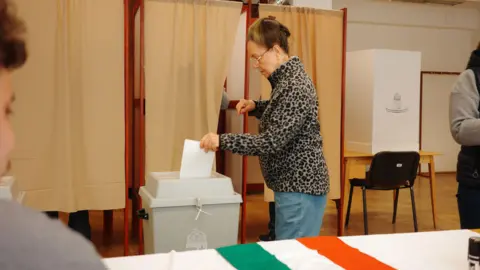
There was a palpable sense that history was being made. Voter turnout was record-breaking, and despite Orbán's control of state media, his administrative approaches that favored his party met their match at the polls. I watched as first-time voters celebrated, caught up in a mixture of hope and incredulity.
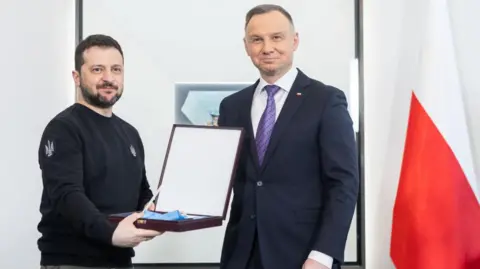
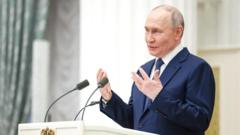
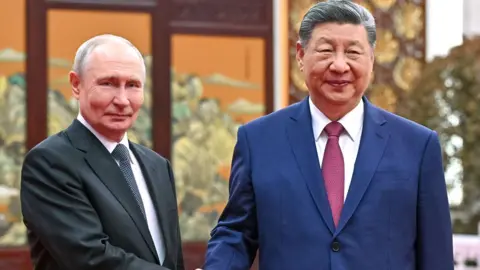
Magyar's election marks a profound change not only for Hungary but also for its relations with Europe and beyond. With Orbán seen as a key ally to Vladimir Putin, his ousting is a setback for Russian interests in the EU. Ukrainian President Volodymyr Zelensky promptly congratulated Magyar and expressed hope for strong future cooperation.
Yet, while Magyar embodies a continuation of Hungary's conservative nationalism, he has pledged to roll back some of Orbán's policies, signaling potential rapprochement with the EU and a reevaluation of Hungary's role in the ongoing conflict in Ukraine.
As Hungary turns a new page, many await to see how Magyar balances these changes with the expectations of a populace eager for improvement in their economy and public services. Tonight we celebrate. Tomorrow, we get to work! he told supporters, encapsulating the spirit of transition underway.