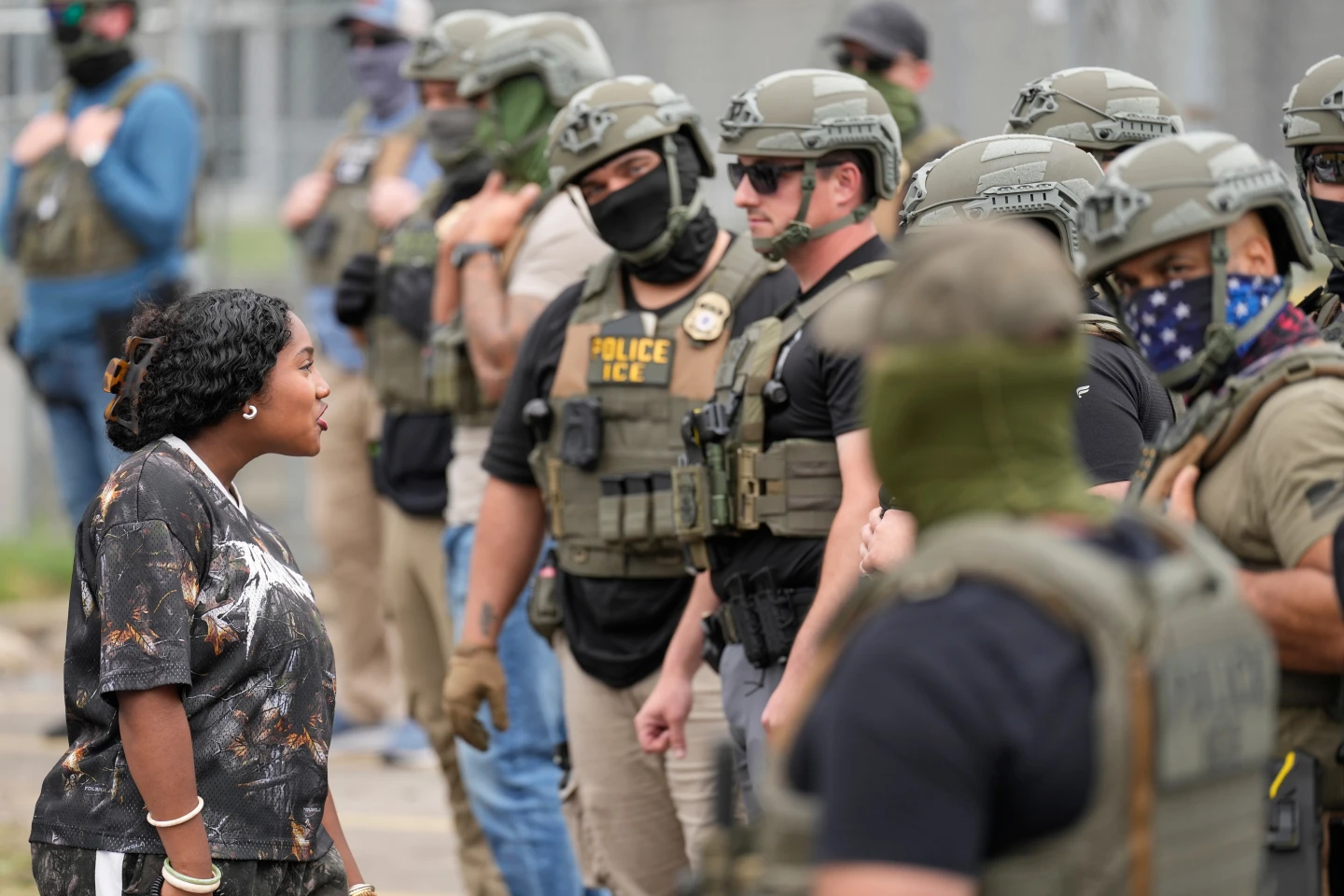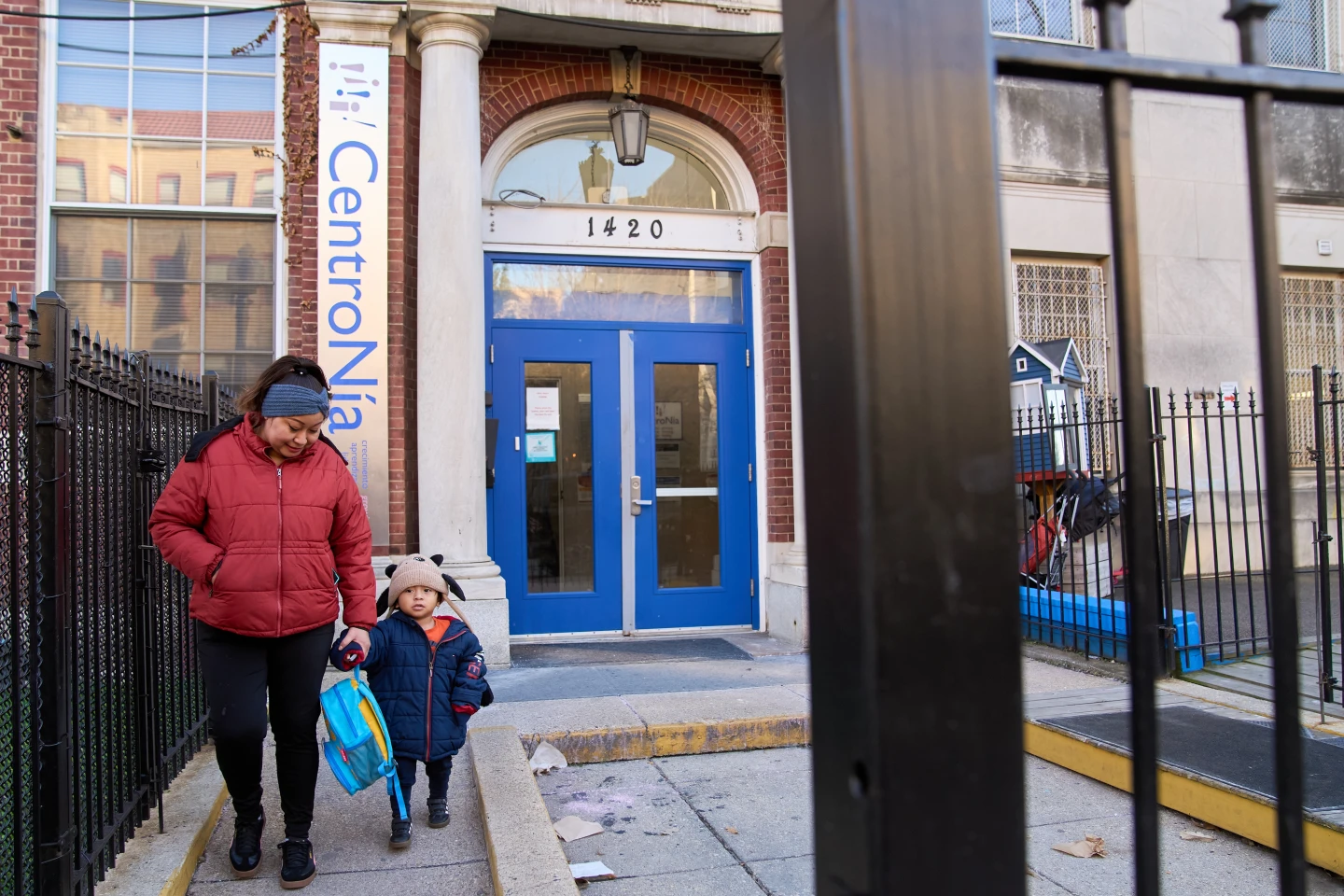
In the wake of increased ICE activity, bilingual preschools are feeling the pressure. CentroNía, a preschool in Washington, D.C., has had to take extraordinary measures to adapt. Staff have started preparing for potential ICE visits, changing their operational protocols to keep the children safe. Activities and community events, such as the Hispanic Heritage Month parade, have been scrapped to minimize exposure.
Since Donald Trump’s administration came to power, child care has been deeply affected by strict immigration policies. CentroNía, along with many similar institutions, is heavily reliant on immigrant workers. All teachers at CentroNía are expected to have legal status, but the atmosphere of fear stoked by ICE has transformed how the school operates. CEO Myrna Peralta summarizes the challenge: every decision is now filtered through the presence of ICE.
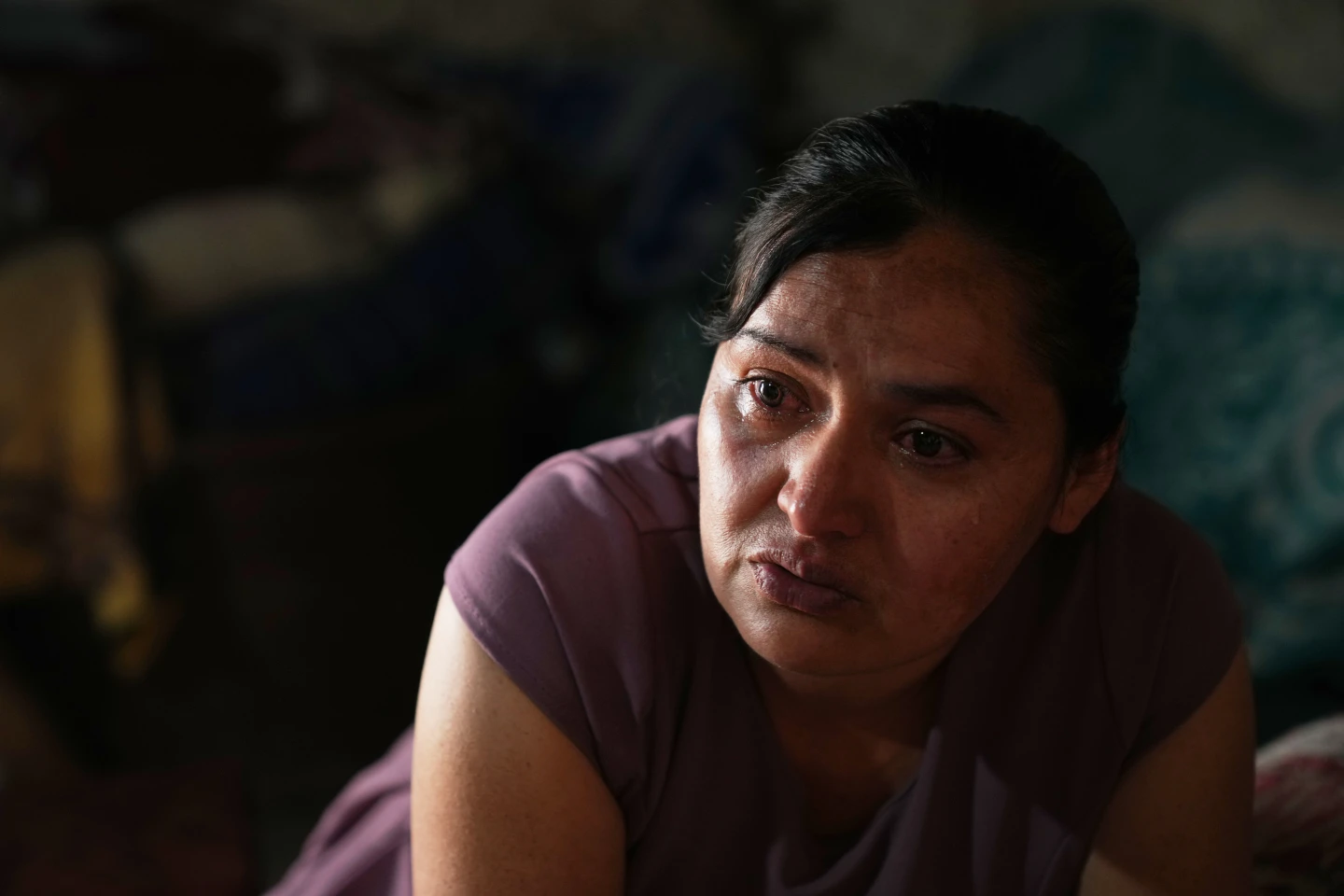
The chill has affected not only teachers but also the pre-schoolers they instruct. Reports indicate that children are displaying more anxiety in the wake of ICE presence in their communities. Staff members have observed heightened emotional distress among both children and teachers, with some experiencing panic attacks. Schools that once felt safe and welcoming have become sites of fear and uncertainty.
Many child care workers are now fearful of deportation, with estimates indicating that around 20% of America’s child care workforce is foreign-born. These realities contribute to a growing mental health crisis that permeates schools across the nation.
Moreover, the long-standing policy that kept schools off limits to ICE has been reversed, creating an environment where teachers and students now live in fear of potential raids. As a more intense crackdown manifests, institutions like CentroNía are seeking ways to support their staff while continuing to provide quality education to children in what has become a challenging and threatening world.