
In brief
Iran has stated that it has made no new commitments on nuclear inspections, contradicting statements from U.S. Vice‑President JD Vance that inspectors could return immediately after initial talks in Switzerland. President Donald Trump has warned that if Iran fails to live up to the agreement, he will act decisively. The U.S. Treasury has temporarily lifted sanctions, letting Iranian oil trade in dollars for the first time in decades, and a six‑month licence for crude sales expires on 21 August. Both sides have agreed on a 60‑day roadmap for a final deal but remain cautious as diplomatic moves on nuclear verification and maritime security continue.
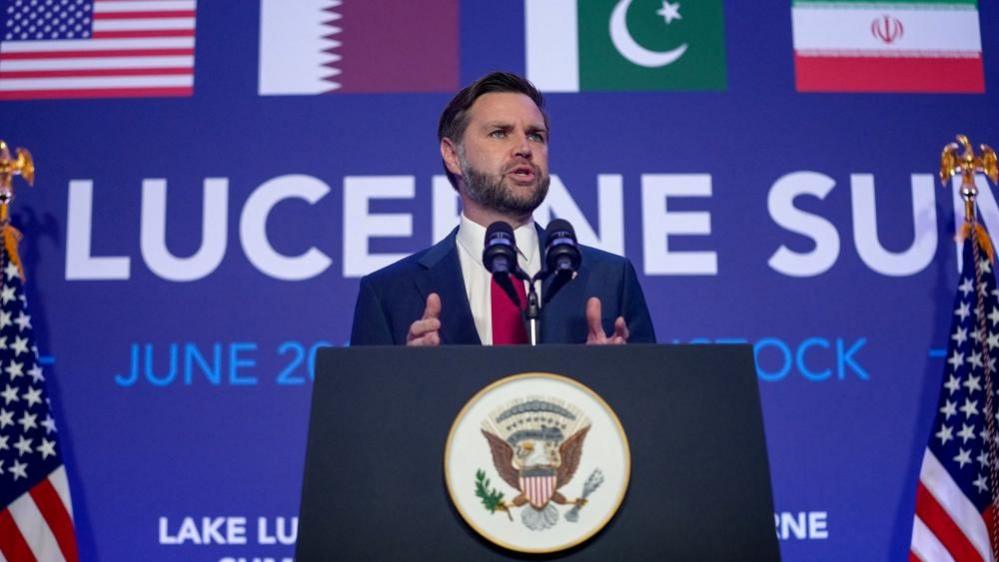
On 22 June, Iranian officials confirmed it had made no new commitments regarding opening its nuclear sites to inspectors, contradicting U.S. Vice‑President JD Vance’s claim that back‑to‑back visits could begin after Switzerland’s initial talks.
After months of stalled negotiations, Vance reiterated that talks in Bürgenstock had set a 60‑day “road‑map” for a final settlement and that the U.S. Treasury had temporarily lifted sanctions, allowing Iranian crude to be sold in dollars for the first time in decades.
Iran’s foreign ministry spokesman Esmail Baqaei denied the call for inspectors, saying the country would only engage under existing procedures laid out by Parliament and the Supreme National Security Council. The IAEA has yet to comment.
Amid the diplomatic back‑and‑forth, President Donald Trump stated openly on social media that Iran "will agree to have Major Weapons Inspections", pledging further action if Tehran fails to comply.
Core issues remain: the reopening of the Strait of Hormuz, a de‑confliction cell for Hezbollah‑protracted hostilities in Lebanon, and the verification of Iran’s nuclear programme. Both sides have agreed to set up negotiating groups that cover sanctions and nuclear questions as talks roll on.
According to the U.S. Treasury, the six‑month licence for Iranian crude purchases expires on 21 August. The restriction lifts banking transactions, insurance, and shipping logistics, giving Tehran another avenue to mitigate economic pressure.
The next phase of talks will focus on enforcement mechanisms, while Iran’s Iraqi allies, as well as Middle East mediators Qatar and Pakistan, continue to urge a robust de‑confliction regime to prevent accidental flare‑ups.
For the time being, both players remain cautious, with the U.S. inviting inspectors "as soon as today" but Iran insisting it has no new commitments. The diplomatic chessboard intensifies as the global oil market watches for a possible long‑term shift.

