In brief
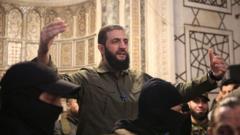
Abu Mohammed al-Jawlani, now known formally as Ahmed al-Sharaa, has undergone a significant transformation from a figure rooted in jihadism to a political leader in Syria. His recent shift reflects a strategic pivot to gain legitimacy and align his group, Hayat Tahrir al-Sham (HTS), with emerging aspirations for governance amid changing realities on the ground.
Al-Jawlani's journey began in Saudi Arabia, where he was born in 1982. He became involved with jihadist movements through the Islamic State's early activities in Iraq, eventually finding himself in leadership roles during Syria's civil conflict. With the HTS gaining influential power in conflicts against the Assad regime, al-Jawlani strategically rebranded his image, emphasizing governance and public service while distancing himself from violent extremist affiliations. His evolution includes formal ties with civilians through the establishment of the "Syrian Salvation Government," which aims to maintain stability and public trust in Idlib, Syria's largest rebel-held area. Although facing criticism from hardliners and accusations of authoritarian governance, al-Jawlani's approach illustrates a calculated effort to balance Islamist principles with the need for modern governance and community support.The recent offensive that nearly toppled Assad's regime has only solidified al-Jawlani's standing among rebel factions, showcasing HTS's ability to unify forces and exert political control. Amid ongoing protests demanding liberty and representation, al-Jawlani's leadership decisions aim to navigate the complexities of rebellion versus governance. With this changing landscape, HTS's trajectory raises questions about the future of jihadist movements and the possibility of a new era characterized by a more politically engaged form of jihadism.In this context, Ahmed al-Sharaa’s transformation commands attention, as observers speculate on whether his brand of leadership will sustain or merely delay the tensions inherent in Syria's prolonged conflict. As the Syrian civil war continues to evolve, al-Jawlani’s narrative exemplifies a potential shift towards more nuanced political dynamics, presenting a chapter where ideology could yield to pragmatism in the struggle for power and control in the war-torn nation.