Jerusalem’s Temple Mount: Nationalists Threaten Decades‑Old Status Quo
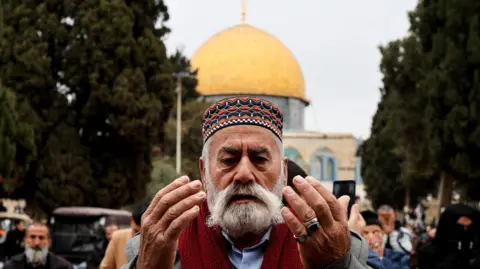
The al‑Aqsa compound sits at the heart of Jerusalem’s Old City, a place of immense historical and religious weight for Muslims, Jews and Christians. Its governance is protected by the so‑called Status Quo, a fragile agreement that has kept a precarious peace for longer than three centuries.
Moshe Feiglin’s Bold Moves
Moshe Feiglin, a right‑wing Israeli politician, recently used the platform of al‑Aqsa to preach faith and sing hymns, openly disregarding the protocols that forbid non‑Muslim prayer on the site. His actions go against not only Israeli law but the centuries‑old halachic (Jewish legal) guidelines that all sides agree upon.
Feiglin’s speeches claim that the land holds a divine promise for all of humanity and that a new temple should be built on the very site has been used for Muslim worship for 1,400 years.
International Alarm and Calls for “Multi‑Faith Centre”
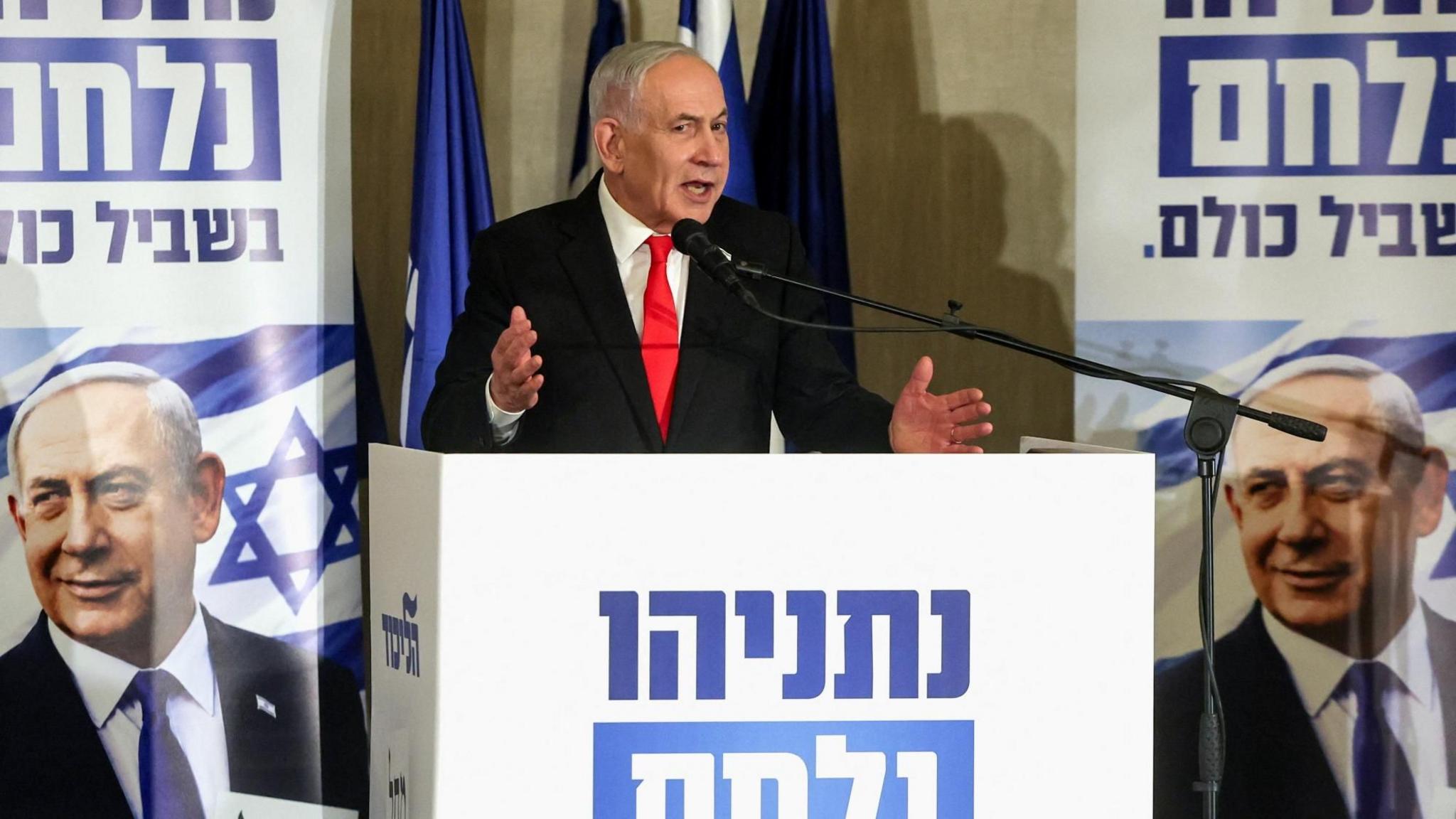
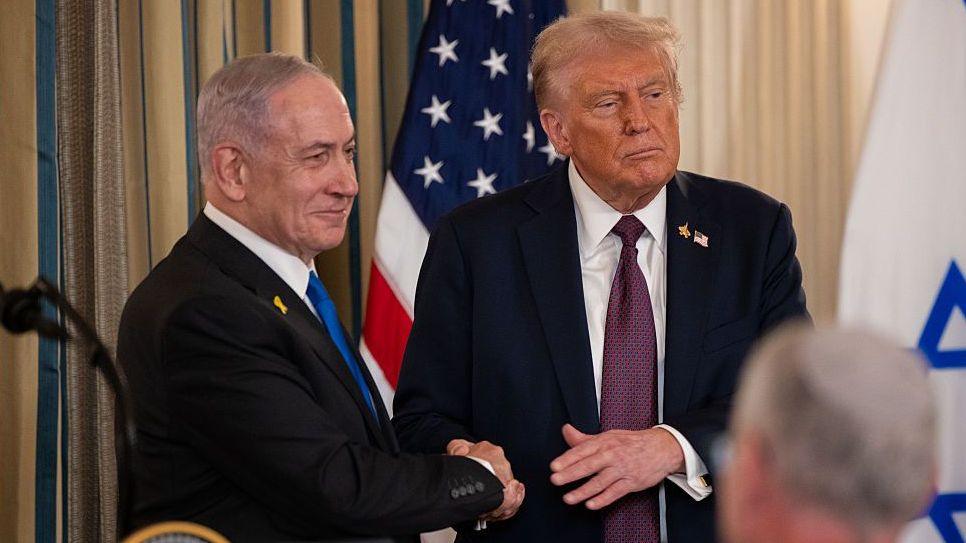
New whispers have emerged that Israeli and U.S. officials might transform al‑Aqsa into a “multi‑faith centre,” a move that could shatter the Status Quo. Despite the Israeli Prime Minister’s assertion that no change has been adopted, Jordan, Egypt and several Gulf states have publicly warned that any alteration could destabilise the region. British officials too have reiterated the need to respect the historic arrangement.
The Deputy Head of the Islamic Waqf Council, Dr Mustafa Abu Sway, cautions that altering the Status Quo “opens a Pandora’s box,” potentially sparking renewed conflict between Jews and Muslims.
Nationalist Momentum on the Ground
Front‑line nationalists like Itamar Ben‑Gvir have visibly marched to al‑Aqsa on Jerusalem Day, singing and waving Israeli flags, in full defiance of the Status Quo. Ben‑Gvir’s statements – “The Temple Mount is ours. It’s in our hands!” – illustrate an escalating drive for Israeli unilateral control over the field.
These actions rekindle memories of 2000‑when Ariel Sharon’s controversial walk to the compound sparked the Al‑Aqsa Intifada, eventually leading to thousands of deaths over five years.
The risk of a future trigger again, this time under a new, more militarised arrangement, remains high as nationalist rhetoric continues to rise.
What Could Change?
If the Israeli government allows Jewish prayers or intends to build a new temple, all parties – Jordan’s Waqf, Muslim worshippers, Israeli policy‑makers, and international actors – will be in a conflict arena. Deep historical grievances and the emotional weight of the site provide a powder keg that could ignite unrest often recalling the second Palestinian intifada.
For now, the Status Quo remains the cornerstone of peace. Any switch risks considerable backlash from local communities, neighboring Arab states and the wider international community.