
In brief
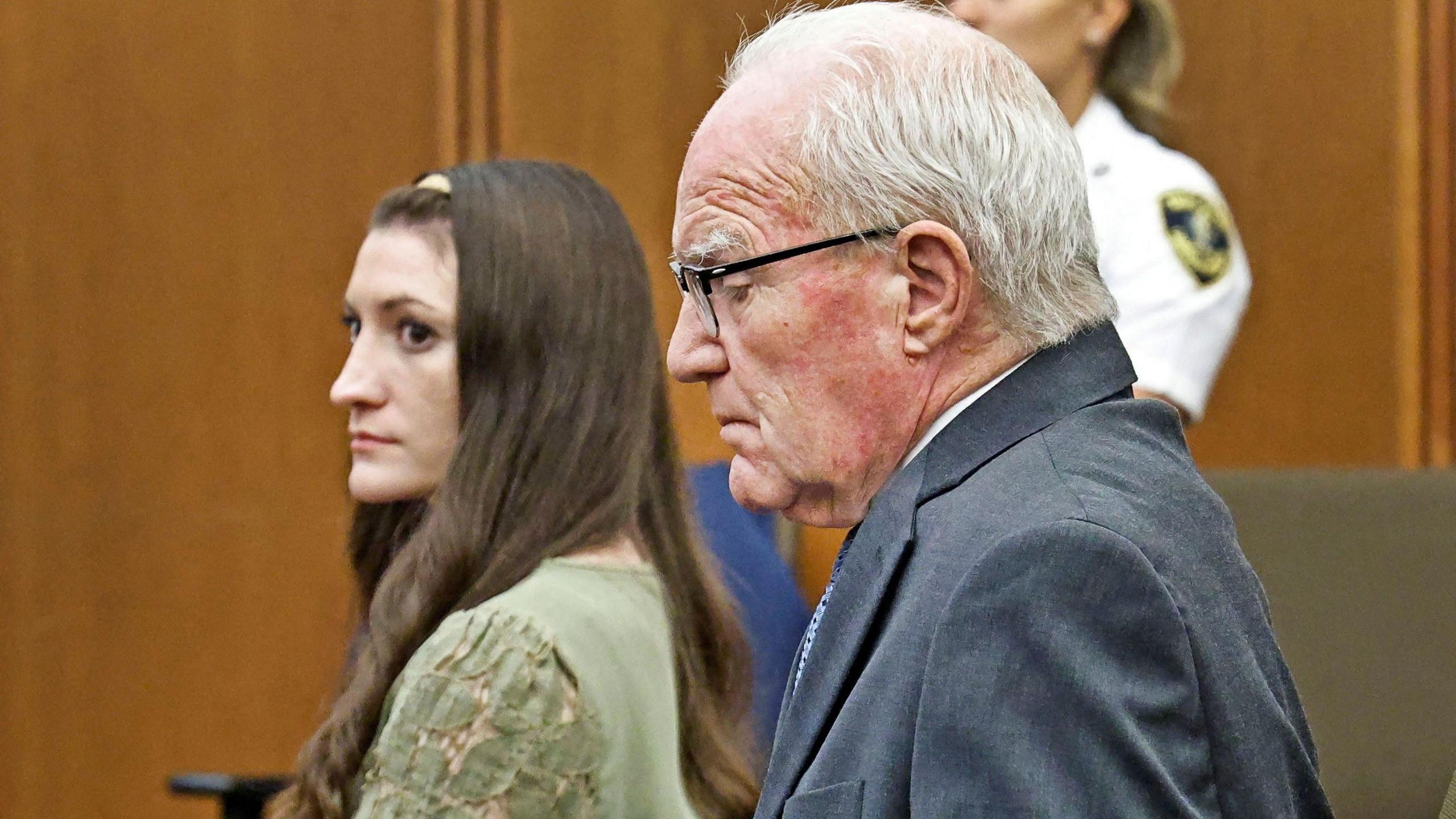
An unravelling of the Hastings case saw the defence of Lindsay Clancy ask a judge to investigate a juror’s phone use after the trial stalled into a mistrial. Attorney Kevin Reddington sought scrutiny of the juror’s communication during deliberation and the answers supplied in the preliminary questionnaire. In response, the lone juror who voted for conviction, Michael Desronvil, brandished the motion as a “Looney Tunes” attack and asserted he had no doubts about Clancy’s guilt. The case hinges on allegations that Clancy murdered her three children while struggling with postpartum psychosis, with prosecutors claiming a deliberate plan and the defence arguing insanity. The inquiry has triggered broader concerns about juror protection and the Sixth Amendment as the jurors’ split of 11‑1 for not criminally responsible stands amid the lone guilty vote.
Warning: This article contains distressing details
The defence lawyer for Lindsay Clancy has asked the judge to investigate the mobile phone use of a juror, referred to as “Juror Doe”, after a mistrial in the Massachusetts murder case.
The motion was filed following the jury’s failure to reach a unanimous verdict. Kevin Reddington also requested that the court review the juror’s responses during jury selection and a questionnaire that alleged careless conduct during deliberations.
A lawyer for the sole juror who voted to convict, Michael Desronvil, dismissed the request as a “Looney Tunes” attack on his duty and stated he had no doubt of Clancy’s guilt.
The case centers on the alleged killing of Clancy’s three children—Cora, five; Dawson, three; and Callan, eight months—while she reportedly suffered from postpartum psychosis at the time of the alleged crime.
The prosecutor maintained that Clancy deliberately lured her husband out of the house to murder the children, whereas the defence argued she acted under the legal defence of insanity.
Reddington’s motion also requests the court to examine the truthfulness of the juror’s answers in the questionnaire and considers dismissing the case altogether.
Desronvil’s lawyer warned that such investigations could undermine the Sixth Amendment right to a fair trial, tweeting that jurors should not fear retaliation for disagreeing with a defence.
The trial’s outcome has divided jurors, with an 11‑1 split favouring a verdict of not criminally responsible although the lone guilty vote stood firm.

