In brief
In Kenya’s patriarchal society, a growing number of men are redefining identity by taking their mother’s name as a surname. The trend, most visible among the Kikuyu, has sparked debate, with some praising it as a nod to women’s strength while others criticize it as a threat to masculinity. Notable figures such as musician Peter Kĩgia and MP John Njũgũna Wanjikũ have made the practice public, hardening divides. The movement reflects broader social change, highlighting shifting power dynamics within families and communities.
Tradition meets change in Kenya’s naming culture
For generations, Kenyan children—especially from the largest ethnic group, the Kikuyu—bore their father’s first name as a surname, signifying lineage and male inheritance. Today an increasing number of men are choosing their mother’s name, a move that has ignited controversy across the country.
Among the pioneers is musician Peter Kĩgia wa Esther. In a hip‑hop‑style interview, he explained that picking a mother’s name is “a tribute to love and respect.” His stage name, Wa Esther Productions, has set a new standard for male artists; others—Waithaka wa Jane and 90K Ka Msoh—follow suit, while still keeping their official first name male.
"When you take your mother's name, it means you love and respect her," Peter says.
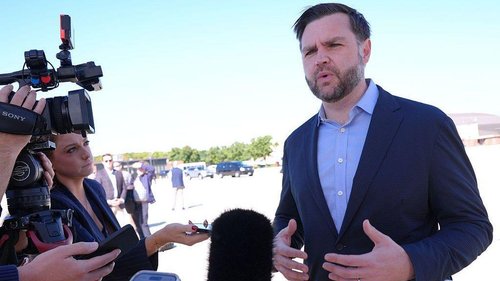
Politically, MP John Njũgũna Wanjikũ—raised by a single mother—goes by the nickname Ka‑Wanjikũ, meaning child of Wanjikũ. Notably, the trend is spreading into public office and entertainment, reshaping how male identity is perceived.
The debate: tradition versus modernity
Critics argue the practice undermines masculinity and can create confusion in property inheritance. Some liken it to a “yoke around men's necks” or an attempt to “womanise the Kikuyu man.” Others counter, citing Kikuyu myths that trace ancestry to the 10 daughters of Gikũyũ and Mũmbi, suggesting the community has long honored maternal lines.
Culture scholar Wairimũ Mũkũrũ explains that in single‑mother families, a child’s maternal elder brother can step in as a paternal figure. Yet, male relatives often refuse to give the name to avoid inheritance disputes, underscoring the tension between tradition and contemporary social structures.
Identity crisis and resilience
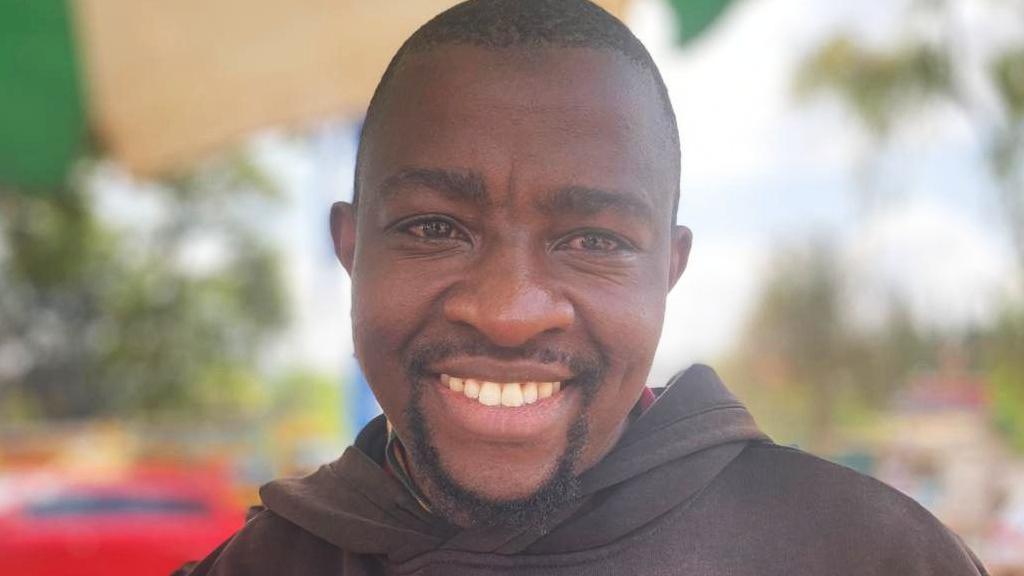
Journalist Simon Macharia Wangũi speaks openly about his struggle: “My mother died when I was 12; I didn’t have a surname until I entered high school.” He chose his mother’s name to honour her, and now says people who succeed prove they can “beat the odds.” Yet, personal accounts reveal that the change can engender ridicule and diminished self‑confidence, especially in male-dominated settings.
As Kenya grapples with evolving gender dynamics, the trend of men adopting female surnames serves as a mirror to broader shifts: greater acknowledgment of women’s roles, contested notions of masculinity, and an emerging re‑imagination of lineage itself.