
In brief
On the night of a suspected Egyptian assault, over 70 unarmed civilians were mercilessly destroyed while searching for gold in Sudan’s contested River Nile state. The event stirs long‑standing tensions over illicit mining, migration and strategic control of resources. Regional actors have expressed silence, yet both Sudan and Egypt pledging investigations, hinting at geopolitical fractures. The brutal episode underscores the fragile equilibrium along a porous border where violence can ignite across timelines, shaping a future that may tip the balance from conflict to cooperation or from covert mining to overt war economies.
At least 72 unarmed civilians have been massacred in a sudden air strike on a gold‑mining camp along the Sudan‑Egypt border, according to emergency lawyers in Khartoum. The strike, executed at about 06:00 local time on Saturday, is believed to have been carried out by Egyptian warplanes that launched more than five missiles directly onto the camps, destroying homes, excavation pits and the lives inside.
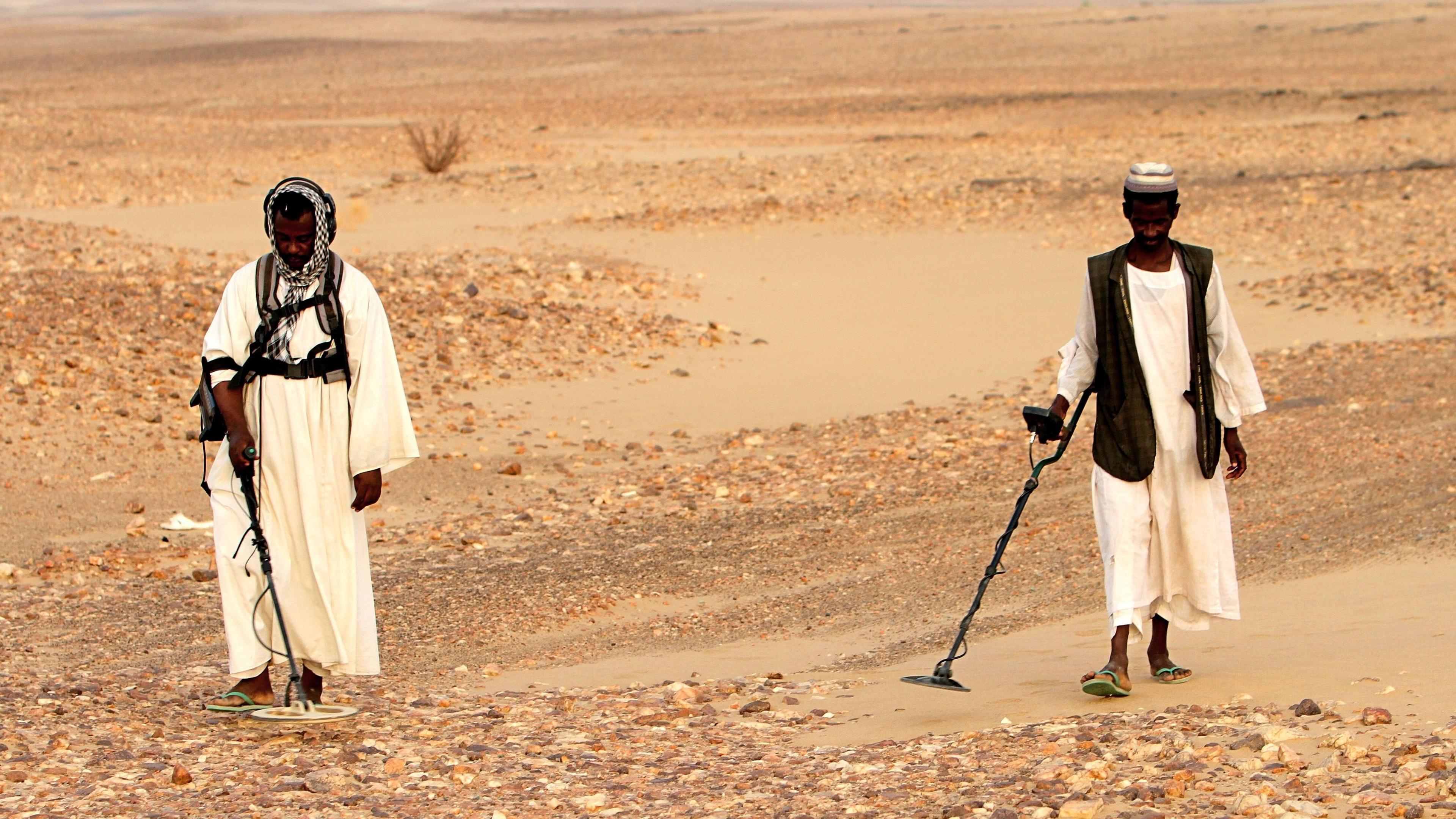
The victims were artisanal miners—mostly Sudanese men working with rudimentary tools in remote, law‑less zones. They were “targeted deliberately,” the lawyers described, a perilous move that violates both international humanitarian law and the right to life, a statement added to a Sunday briefing.
The acrimony is rooted in a long‑running standoff over gold-rich territories that border both nations. In a climate of civil war, Sudan has seen a surge in illegal mining as a lifeline for displaced populations. That surge has fed transboundary smuggling networks, a challenge that Egyptian border forces cite to justify their vigilant, and increasingly violent, patrols.
Last year, Egyptian forces reportedly deployed drones and artillery against similar sites, prompting Israel‑Egypt–Sudan discussions that fizzle into deregulated security sweeps. Now both governments claim trilateral investigations while their citizens await replies that might either confirm an impossible restraint or herald a new war campaign.
A Long‑Arm Without a Target
If the airstrike continues in a pattern that mirrors current practice, the border could fracture into a zone of ungoverned violence, potentially drawing in rebel factions who see illicit gold as a revenue lifeline. That path would not simply kill dozens; it could destabilize entire regional economies, jeopardize refugee flows and spark a chain of cross‑border cleavages that bleed further into international supply webs for luxury minerals.
Alternatives That Could Open a Different Timeline
Imagine a future where Egypt, backed by UN mediation, refrains from lethal aggression and instead invests in secure artisanal mining zones. With regulatory frameworks, community training and shared revenue models, both Sudan and Egypt could transform “illegal” gold into a regulated, traceable commodity that benefits local economies and reduces smuggling.
In that alternate reality, the deadly strike could be avoided, the border’s fragility softened, and a collaborative approach to resource extraction could ripple outwards, inspiring novel engines of peace that pivot from militarized security to economic empowerment.
Image: Sudanese men wearing traditional clothing search for gold with metal detectors in the desert. Source: Getty Images

