In brief
In the aftermath of California's devastating wildfires, Altadena residents confront ongoing health dangers due to toxic contaminants lingering in their homes. Despite efforts to clean their properties, many are still exposed to hazardous materials like lead and asbestos. As insurance companies navigate these claims, families continue to live in fear for their health and future.
ALTADENA, Calif. — “DANGER: Lead Work Area” alerts a sign on an Altadena home, foreshadowing the challenges still faced by residents affected by last year’s catastrophic wildfires. Smoke, soot, and toxic ash pervade the atmosphere, as homeowners struggle to reclaim their spaces.
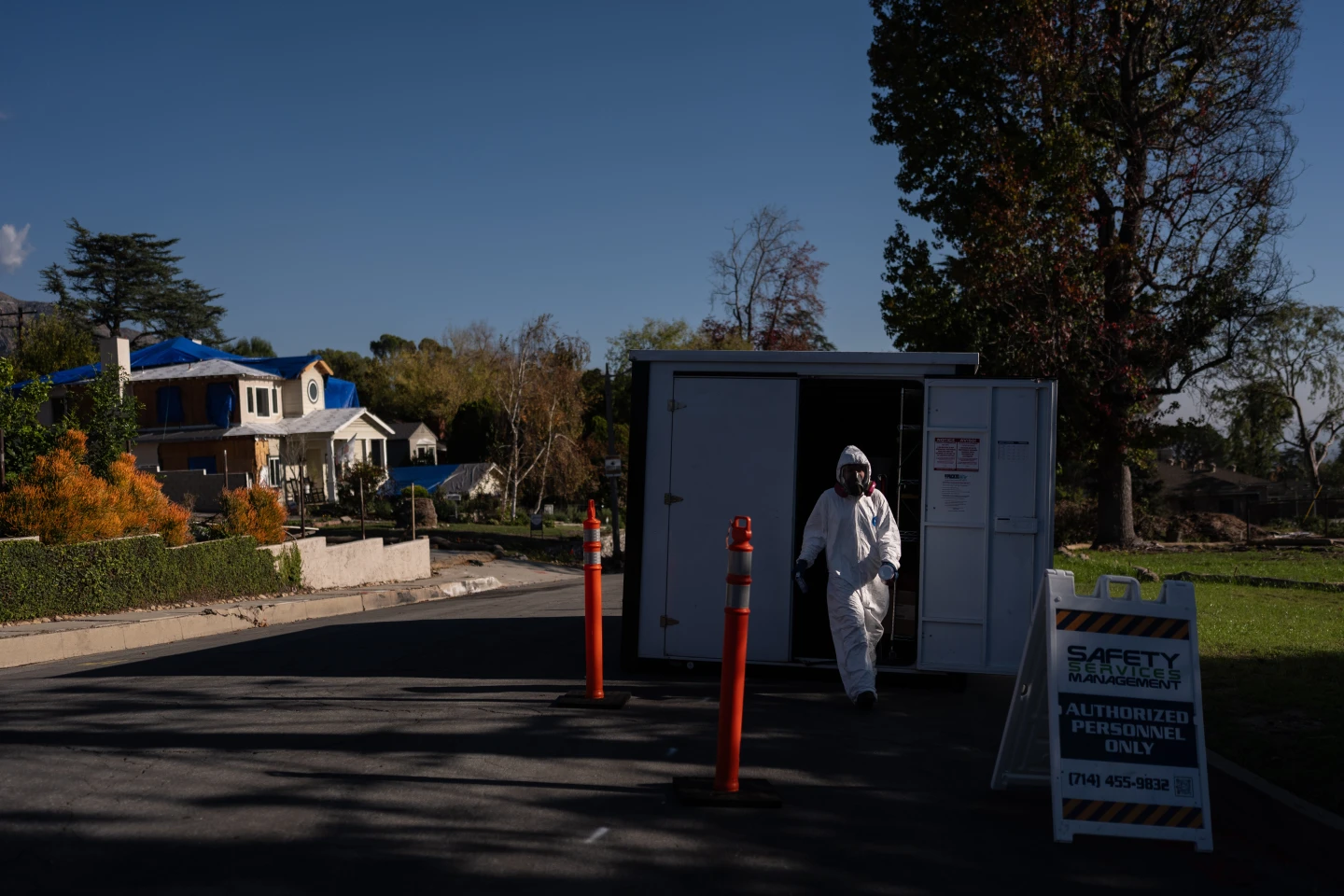
House cleaners and hazardous waste workers don protective gear while cleaning properties left standing after the fires that destroyed nearly 17,000 structures on January 7, 2025. This calamity resulted in at least 31 fatalities and continues to haunt the community as symptoms of exposure emerge, fostering a deeper sense of grief.
Indoor air quality remains unexplored territory, yet preliminary evidence connects contaminants released by urban fires to serious health problems. Scientists highlight concerns regarding the long-term effects of minerals like magnetite and their association with Alzheimer's, alongside heart and lung diseases.
Residents, like Nina and Billy Malone, recount their desperate move back into their home, with lingering lead contamination affecting their health. Facing insurmountable hurdles such as broken insurance promises, they endure daily ailments—Nina wakes up with a sore throat, while Billy struggles with a worsening respiratory condition.
Reports reveal alarming statistics, as the Eaton Fire Residents United group finds six out of ten homes carry dangerous levels of lead and asbestos. Many homeowners feel helpless as insurance companies resist adequate cleanup, echoing a broader sentiment of distrust and despair among affected families.
As the Malones sift through their belongings, the emotional toll of the wildfires weighs heavily on their mental health. Advocates stress the necessity of addressing cleanup costs and the psychological impacts stemming from inadequate safety measures.
In light of these revelations, experts urge proactive ventilation and filtration strategies for residents returning to their homes. Yet, many face battles with insurance, leading to an uphill struggle for safety amid ongoing risk.
In Altadena, the scars of the wildfires linger, not just in the destruction of homes but in the very lives that continue to be entwined with toxic remnants, leaving a community in prolonged recovery.