Graham Platner’s exit spins Maine’s Senate race into turmoil
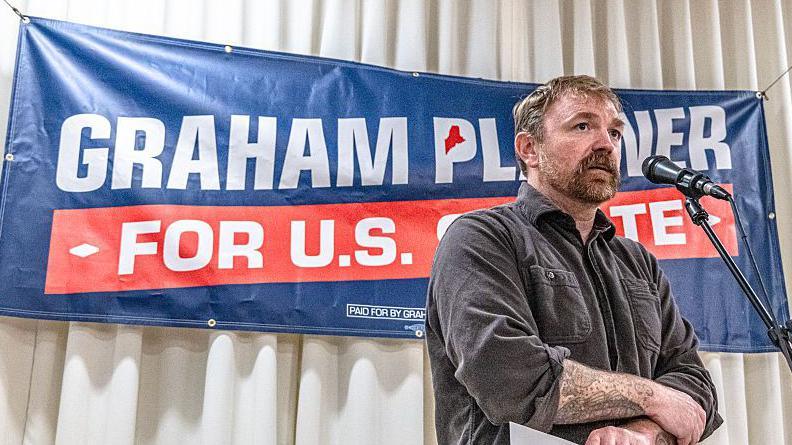
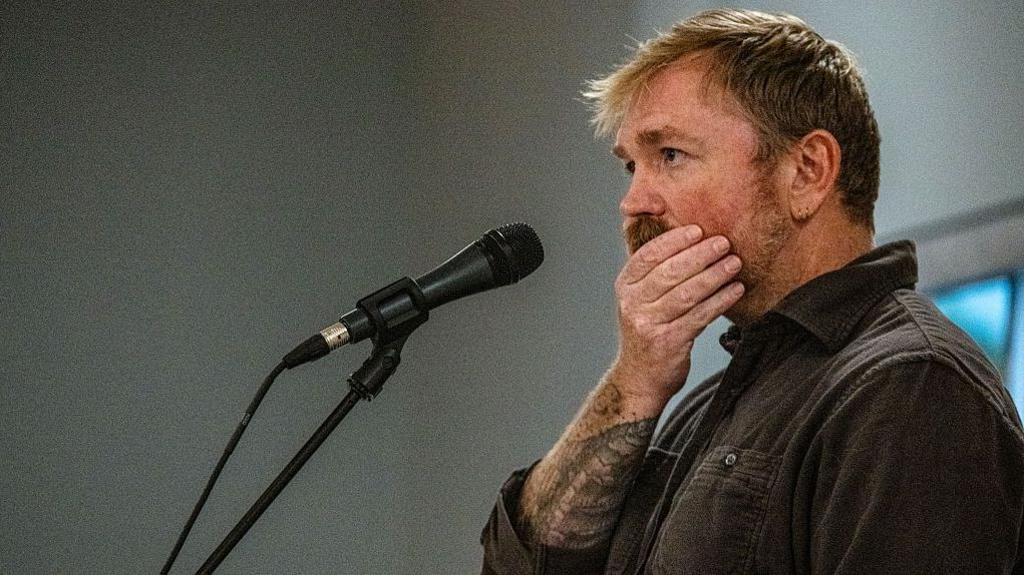
The sudden decision by outsider candidate Graham Platner to suspend his bid for the U.S. Senate seat in Maine follows a cascade of scandals that began two days after a Politico story surfaced. An ex‑girlfriend alleged that the former Marine entered her home while intoxicated in 2021 and sexually assaulted her—a claim that the candidate denied. The allegations triggered the withdrawal of financial and political support from prominent Democrats, including Senator Elizabeth Warren and Senator Bernie Sanders.
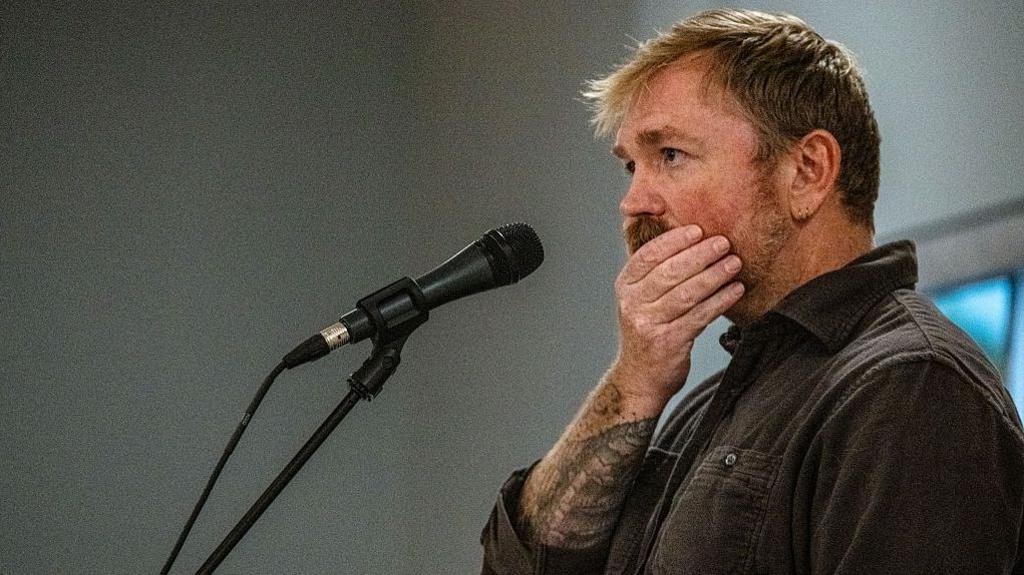
Platner’s choice—made in an 11‑minute video posted to social media—claims he stepped aside not because of the scandal but because “structures are being taken away by those in power.” Yet the underlying motivation appears clear: a fractured party left scrambling to name a contender before the July 27th deadline.
The seat is pivotal for Democrats, who aim to flip four Republican‑held seats to seize overall control of the Senate. Losing Maine’s race jeopardizes that pursuit and exacerbates tension between the party’s left‑wing base—known for their enthusiasm for candidates like Platner—and its more centrist leadership, who favor candidates with established track records.
Party chair Devon Murphy‑Anderson accused the Platner campaign of attempting to influence delegate selection, a claim the candidate’s team refuted by stating their desire for an open, democratic process. Murrough‑Anderson also underscored the importance of allowing supporters to voice their opinions during a replacement nomination.
The fallout extends beyond Maine. Analysts suggest that the loss of communal momentum could dampen the progressive narrative that has energized the party nationally. Historically, the Senate race provided a showcase for an egalitarian platform capable of winning in rural battleground states—a narrative that could translate into a compelling left‑wing presidential candidacy for 2028. With Platner’s exit, that possibility seems dimmer.
As delegates convene to select a replacement, the Democratic Party faces pressure to balance appeasement of its energized base with the electoral viability of a seasoned politician. Retailing to a narrow, three‑month window, the party must consider whether to back a formerly successful candidate like former state legislator Troy Jackson or a pragmatic choice drawn from recent elections, such as former Congresswoman Shenna Bellows or epidemiologist Nirav Shah.
The stakes remain high: the seat sits on a state that voted for Donald Trump in 2024, yet the party’s future hinges on the integrity of its own nomination process. As Sarah Melcher, a political science professor, cautions, “If it looks like establishment triumphing over what the people want, angry supporters will sit on their hands.”
A final note of caution emerges for national Republicans: the plot thickens as the party’s ability to pick up a disillusioned candidate may prove decisive. Democrat outlet watchers watch the tension more closely, noting that the next step could lead to a low‑budget grassroots campaign or an establishment‑backed war veteran, both having their own strengths and weaknesses.
For readers on the front line of politics, the situation underscores the power of social media allegations to derail even the strongest moment. While no final replacement has been named, the state will convene a convention in the next fortnight for delegates to decide—an event that could shape the political map for years to come.
Background citations: BBC Political Correspondent Profile, NYTimes Poll Data, US Politics Unspun Newsletter.