Maine’s Senate Megastorm: Platner’s Exit Shakes Democratic Strategy
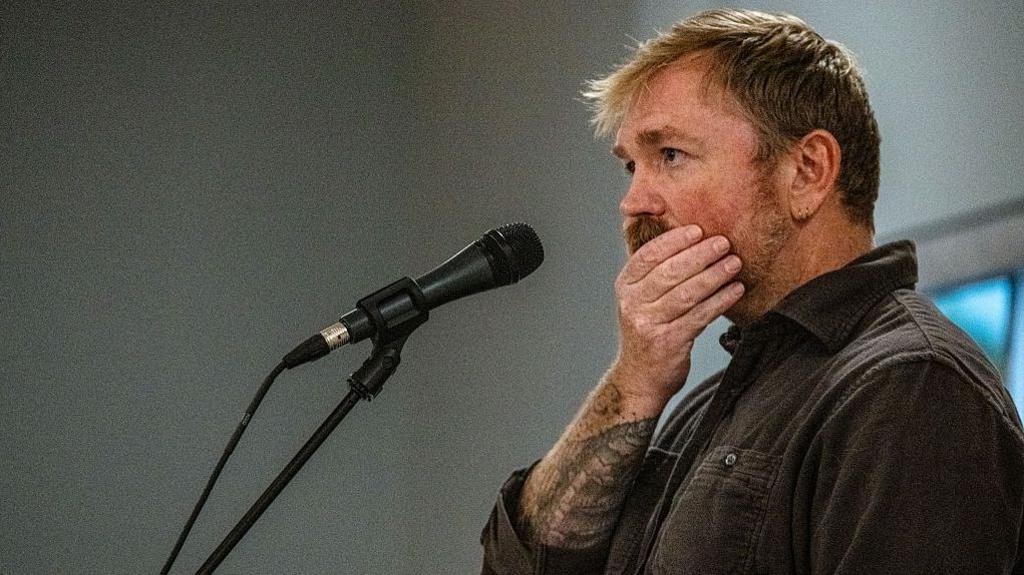
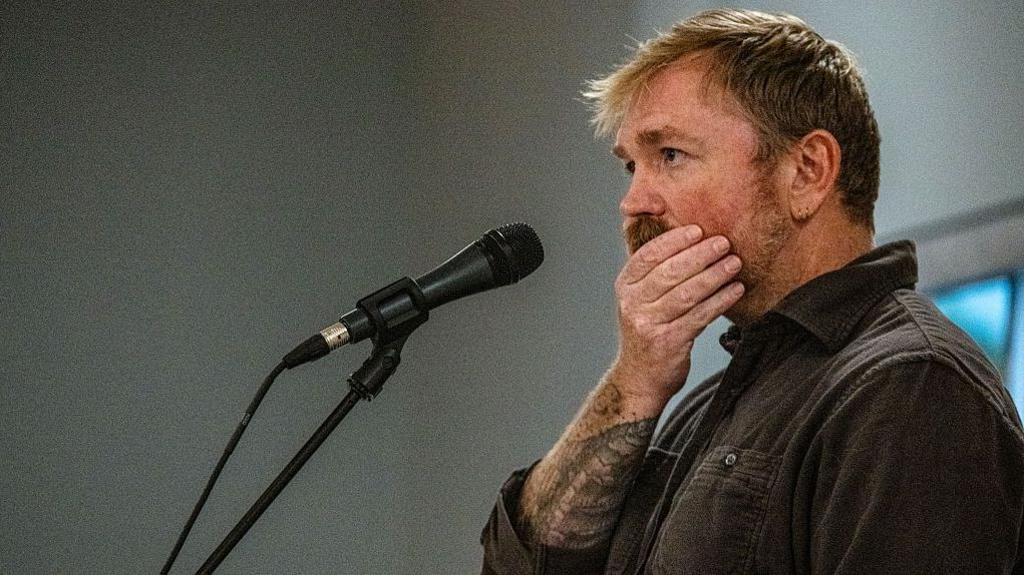
The former marine‑turned‑oysterman Graham Platner has called off his bid for the United States Senate seat in Maine, after a 2021 sexual‑assault allegation resurfaced on the day of the Politico exposé. He posted a recorded video on social media announcing the suspension of his campaign on Wednesday evening, declining the claim outright and citing a “loss of structures” as the real reason for his withdrawal.
Platner, who secured the Democratic nomination last August by defeating Governor Janet Mills and building a grassroots support of over fifteen thousand volunteers, has enjoyed backing from national progressives such as Senator Bernie Sanders and Senator Elizabeth Warren. Yet the scandal forced the national party to freeze campaign financing, and both state and national Democrats pulled out their endorsements within hours of the Politico story.
The timing of the withdrawal is a blow to Democrats’ mid‑term agenda. – Maine is widely seen as a “must‑win” seat, needed to secure a Senate majority in November. With a July 27 deadline for a replacement nominee, the party now faces a compressed timetable that threatens to divide its base and diminish the momentum Plato’s outsider narrative had built.
This crisis is proving a microcosm of larger tension between the party’s left‑wing faction, which prize anti‑establishment narratives, and the moderate establishment that demands structured, high‑profile candidates. State party chair Devon Murphy‑Anderson is accusing the Platner team of attempting to manipulate the replacement process, while Platner’s supporters argue for an “open and democratic” selection.
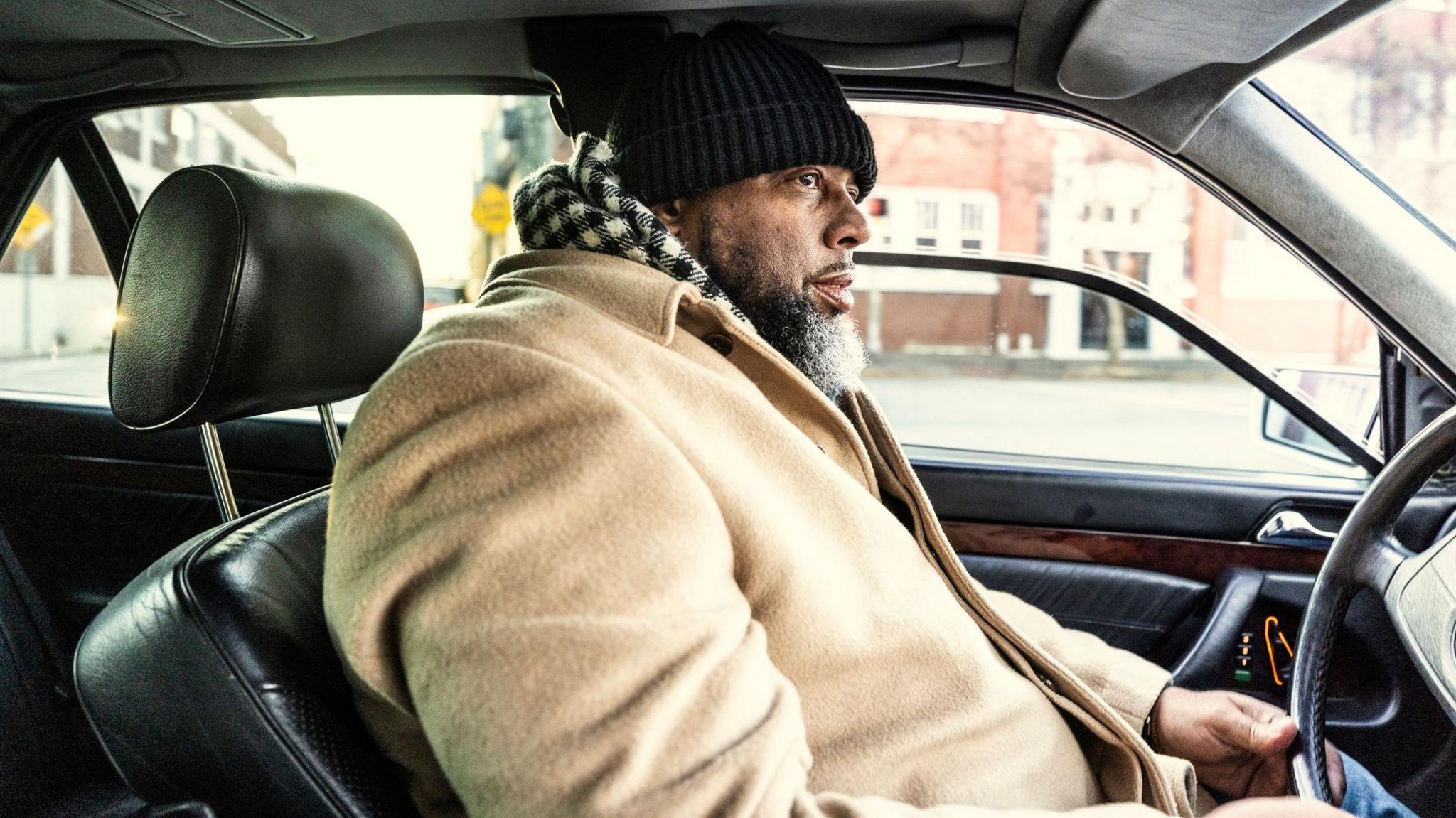
Rumours circulate that former Maine Senate leaders and other political veterans – such as Troy Jackson, Nirav Shah and Sheinna Bellows – may step forward. The late‑stage contender pool already contains candidates with conducted political experience and name recognition that could satisfy the party’s need to defend this seat while keeping its grassroots energy alive.
The fallout extends beyond this single race. In a world where subscribers can pocket alternate timelines, some speculate that a win by Platner in November would have paved the way for a more left‑leaning 2028 presidential ticket. His exit removes that plausible “blue‑collar liberalism” narrative, enlarging the risk calculus for the Democratic leadership about how to raise a candidate who speaks to rural voters while carrying a strict vetting record.
Plagued by a succession of controversies – from offensive social media posts to a contentious tattoo and alleged toxic behaviour – Platner’s survival until now was a testament to the party’s appetite for charismatic outsider figures. Yet the latest collapse also exposes the danger of embracing candidates lacking prior scrutiny when scaling up to national office.
The clock is ticking. State campaign deadlines loom, and Senator Susan Collins – a five‑term, Republican incumbent who gunned down the most staunchest Democrat in the state – waits for the new nominee to emerge. The Democratic leadership must now decide whether to rally the restless base around a replacement that keeps pace with the high stakes of this pivotal race.