Midnight Evacuation of Taiwan’s President: Inside the Han Kuang Drill
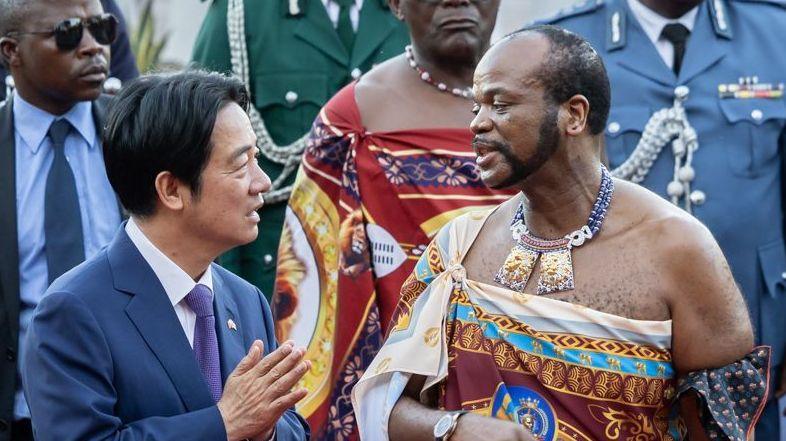
On the early hours of August 7, President William Lai was escorted from the presidential palace to a secure location as part of the Han Kuang— Taiwan’s annual, high‑profile military exercise. The evacuation, carried out around 3 a.m., was a key element of a drill that tests the speed and coordination required if the head of state were suddenly unavailable.
The Han Kuang exercises, now in their 70th year, are a signal to the world that Taiwan is actively improving its readiness against a potential Chinese invasion. By forcing top officials to relocate at a moment when security systems are under stress, the drill creates realistic conditions for decision‑makers and commanders to act.
BBC journalist Katy Watson explained that the evacuation is designed not just to keep the president safe but also to convey a clear warning to Beijing. The exercise underscores the island’s intention to show that it is prepared for rapid, decisive action if the political and military status quo is challenged.
For Taiwan, the drill also serves to rehearse the logistics of moving critical staff to dispersed sites during a potential breach. The nightly movement routine has already been incorporated into the civilian emergency plan, ensuring that any shock to the executive function can be rapidly addressed.
While the overnight exercise was a routine part of the Han Kuang schedule, the timing was chosen to highlight the unpredictability of real conflict scenarios. It is a stark reminder that leaders must be prepared for any moment, often during daylight, when an attack could occur.
The international community watches closely, noting how Taiwan’s strategic preparations may alter the balance of power in the Western Pacific. As the Han Kuang exercises progress, all eyes remain on how the island’s readiness translates into operational resilience.