In brief
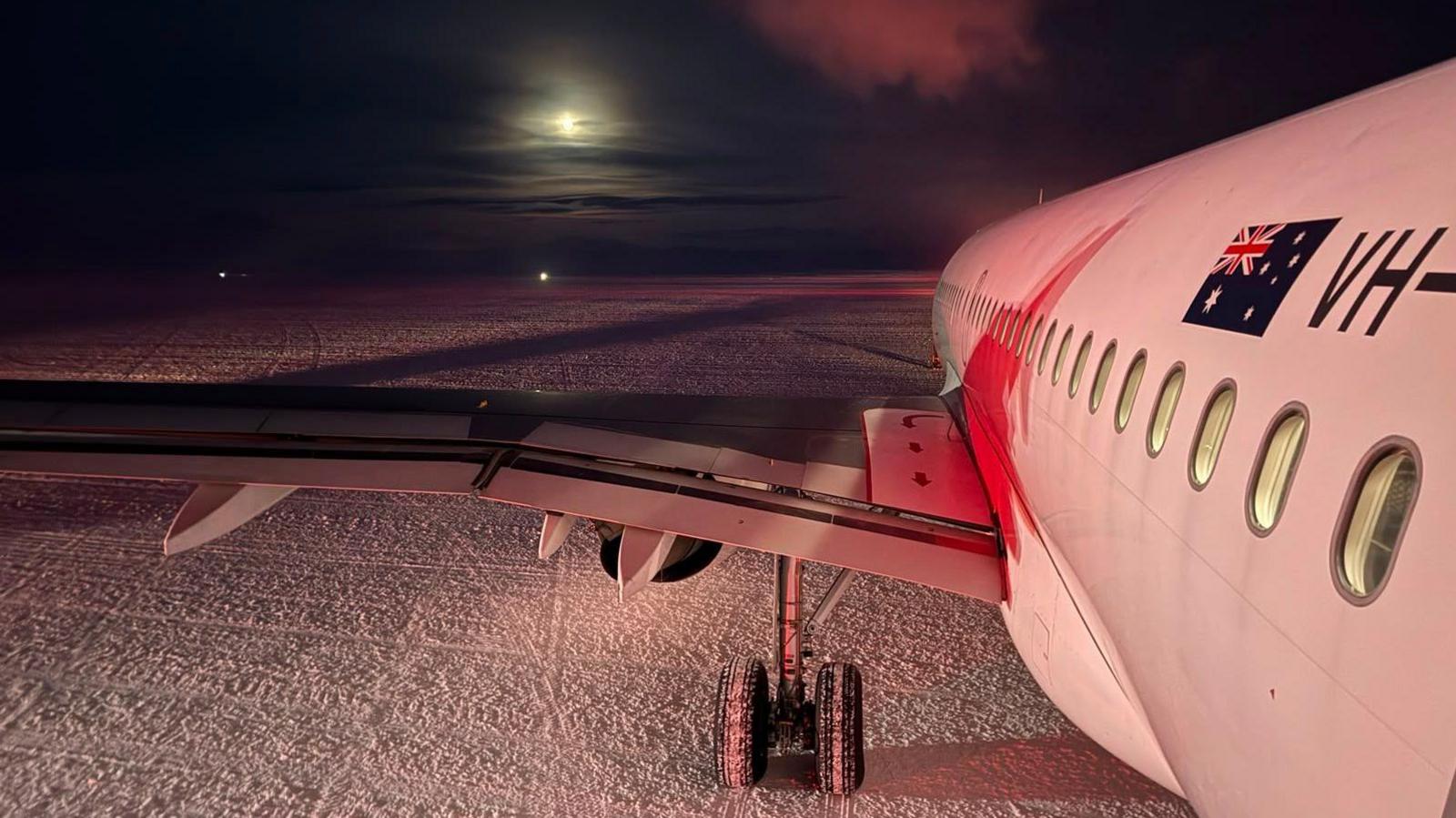
A commercial Airbus A319, named Snowbird 1, landed on a frozen runway in total darkness and extreme cold to rescue a US research team member from McMurdo Station. The crew re‑fit the plane into a specialised medevac configuration within 24 hours, then took off from Hobart after a 12‑hour wait for a weather opening. The patient was transferred on board and flew to Christchurch for treatment, where he is now recovering. The operation is noted as the closest a civilian airliner has come to the winter solstice, requiring unparalleled precision and experience.
On an evening just before the Arctic winter solstice, a commercial Airbus A319 was pushed into one of the planet’s most hostile environments.
The aircraft, dubbed Snowbird 1 by Skytraders, managed a hard‑landing in total darkness on a narrow ice strip at McMurdo Station, with temperatures dropping to minus 43 °C.
The patient was transferred from the station onto the plane and flown to Christchurch, New Zealand, where medical staff are treating him while he begins to recover.
Mackay, the company’s deputy chief executive, said the crew had half a day to re‑fit the aircraft into a specialized medevac configuration, then waited for a brief weather window to take off from Hobart, Tasmania.
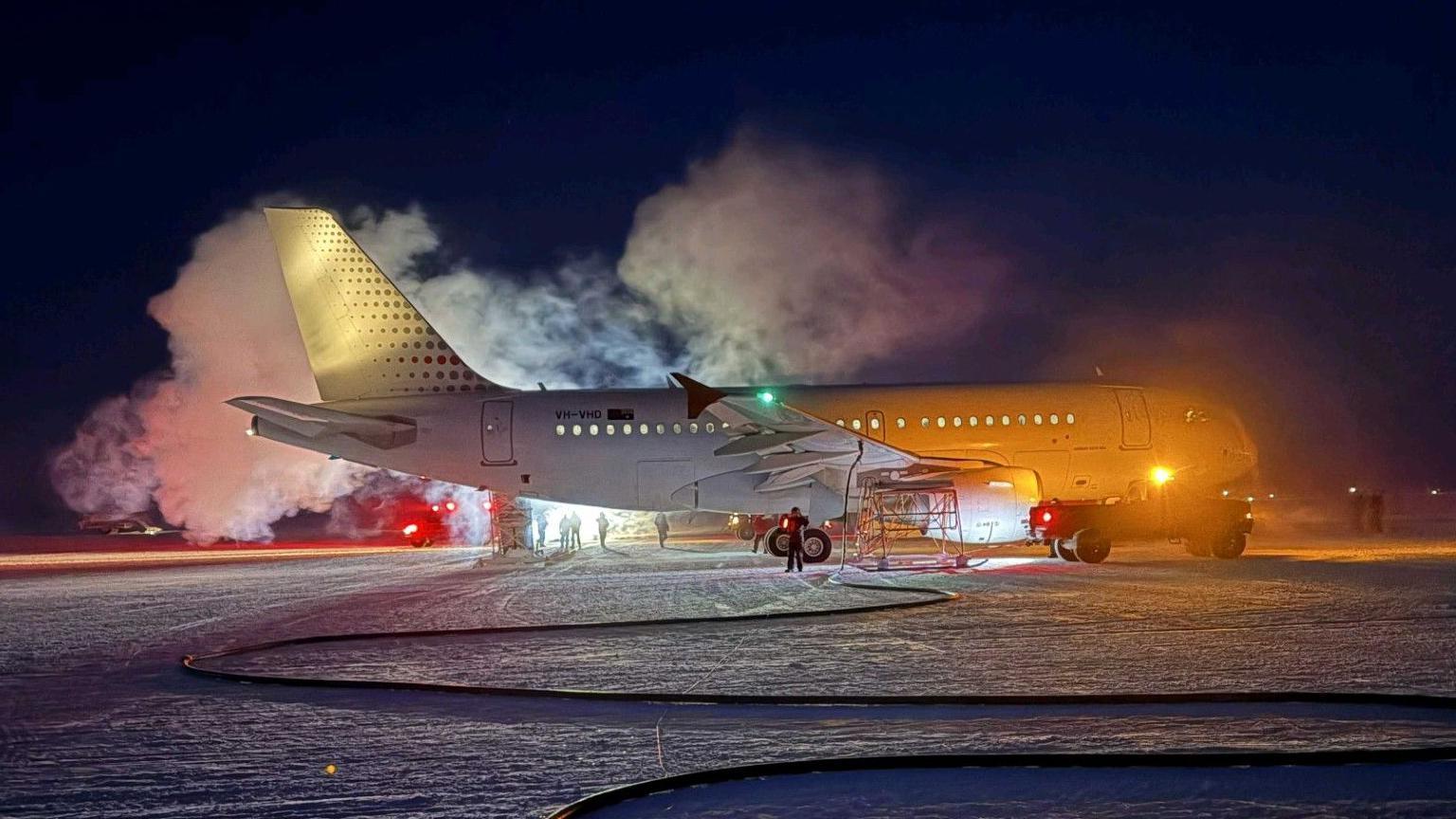
This operation ranks as the closest a civilian airliner has flown to the winter solstice, the pilot said, stressing that precision and experience were vital for a landing under such harsh conditions.