In brief
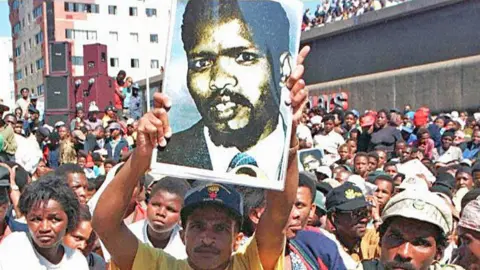
A new inquest into the death of Steve Biko, the anti-apartheid activist who died in police custody in 1977, is underway. His son, Nkosinathi Biko, believes this legal proceeding can lead to justice and accountability for past violence in South Africa. The inquest comes decades after Biko's death, which has remained a symbol of the country's struggle against racial oppression.
A son of prominent South African anti-apartheid activist Steve Biko has told the BBC that the family is confident a new inquest into his death 48 years ago will lead to the prosecution of those responsible.
Seen as a martyr in the struggle against white-minority rule, the founder of the Black Consciousness Movement died from a brain injury at the age of 30 almost a month after being arrested at a roadblock.
Police at the time claimed he had banged his head against a wall, but post-apartheid revelations revealed former officers admitted to assaulting him, yet no one has faced prosecution for his murder.
Nkosinathi Biko, who was only six years old when his father died, emphasized that South Africa cannot progress without confronting its violent past.
It's very clear in our minds as to what happened and how they killed Steve Biko, he stated following the first hearing held at the High Court in Gqeberha on the anniversary of his father's death.
The inquest highlights allegations that Biko was tortured by police before he died. Nkosinathi asserts that the truth must come forward and accountability must be sought for the acts of violence orchestrated by the state at that time.
The new inquest is significant, as it comes five months after President Cyril Ramaphosa announced a judicial inquiry into decades of political interference in the prosecution of apartheid-era crimes. The Truth and Reconciliation Commission, established in 1996, revealed many atrocities but resulted in very few prosecutions.
As the inquest progresses, many families affected by apartheid continue to seek justice, urging the government to hold accountable those responsible for the bloodshed endured by their communities.
The case has been adjourned until November 12.