Beijing is not always the most welcoming place in winter.
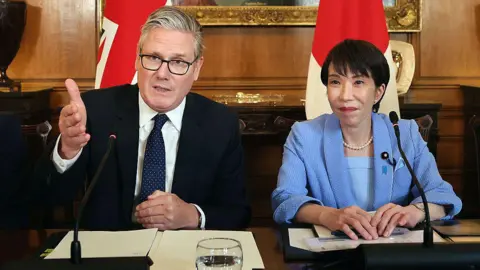
Frigid air blows in from the north, blast-freezing the city's lakes and rivers. Yet, in the last two months, global leaders have flocked to China's capital. Among them is Sir Keir Starmer, marking the first visit by a British prime minister in eight years, amid a rejuvenated interest in economic ties following the UK's approval of a mega-embassy in London for China.
Illegal rainy season notwithstanding, Starmer's presence in Beijing comes with high stakes. The meeting aims to discuss dozens of new deals to boost the UK’s economy. If both sides can establish a reasonable trading relationship, it will be a significant achievement, remarked Dr. Yu Jie from Chatham House.
China perceives these visits as potential steps towards a more profound geopolitical shift, with Starmer trying to balance the UK's connections with both China and the US. However, analysts caution that while engagements may improve, rekindling the 'golden era' of relations may be overly optimistic.
Starmer, undeterred, asserted a neutral stance between the two superpowers, aware that any friendly overtures from Beijing come with strings attached regarding its stance on trade with the US, especially seen in previous tensions with nations like Canada and Australia when they engaged with China.
This visit not only symbolizes a fresh approach to diplomacy from the UK but also reflects China's growing assertiveness on the world stage as it seeks to solidify its ties. Starmer's team is optimistic, eyeing the potential for increased investments in both directions to enhance trade dynamics.
In summary, as political landscapes evolve, Starmer's journey delineates attempts to thaw decades-long frigid relations, with economic aspirations driving the narrative forward amidst complex and intertwined global politics.