Nigeria’s President Orders Probe into Alleged Fake Agency in His Office
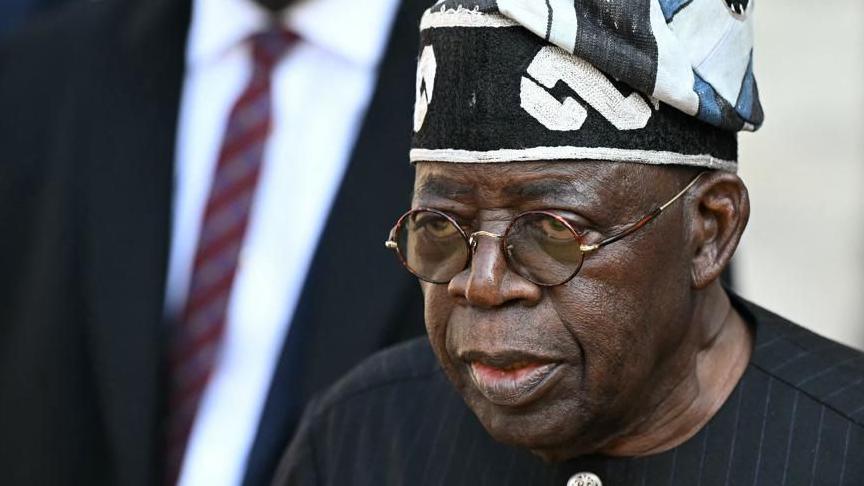
Bola Tinubu has instructed the Independent Corrupt Practices and Other Related Offences Commission, the ICPC, to conduct a full investigation within a 30‑day deadline into the claims that a fictitious agency – the Presidential Foreign Intervention Promotion Council (PFIPC) – was established inside his office and allocated a public budget of 950,000 US dollars. The president’s office asserted that the appointment letter signed by the chief of staff was forged.
According to the investigation, the agency was purportedly created in 2024 to attract foreign investment, yet no record exists of completed deals. The alleged director, Adeniyi Adeyemi Matthew, is on the police’s radar for forging documents, impersonating officials and opening multiple bank accounts in the agency’s name.
Adeyemi, who disappeared after the allegations surfaced, says he will appear in court to clear his name. He claims senior officials demanded bribes during his appointment and later attempted to seize the agency’s funds. The presidency denies these allegations.
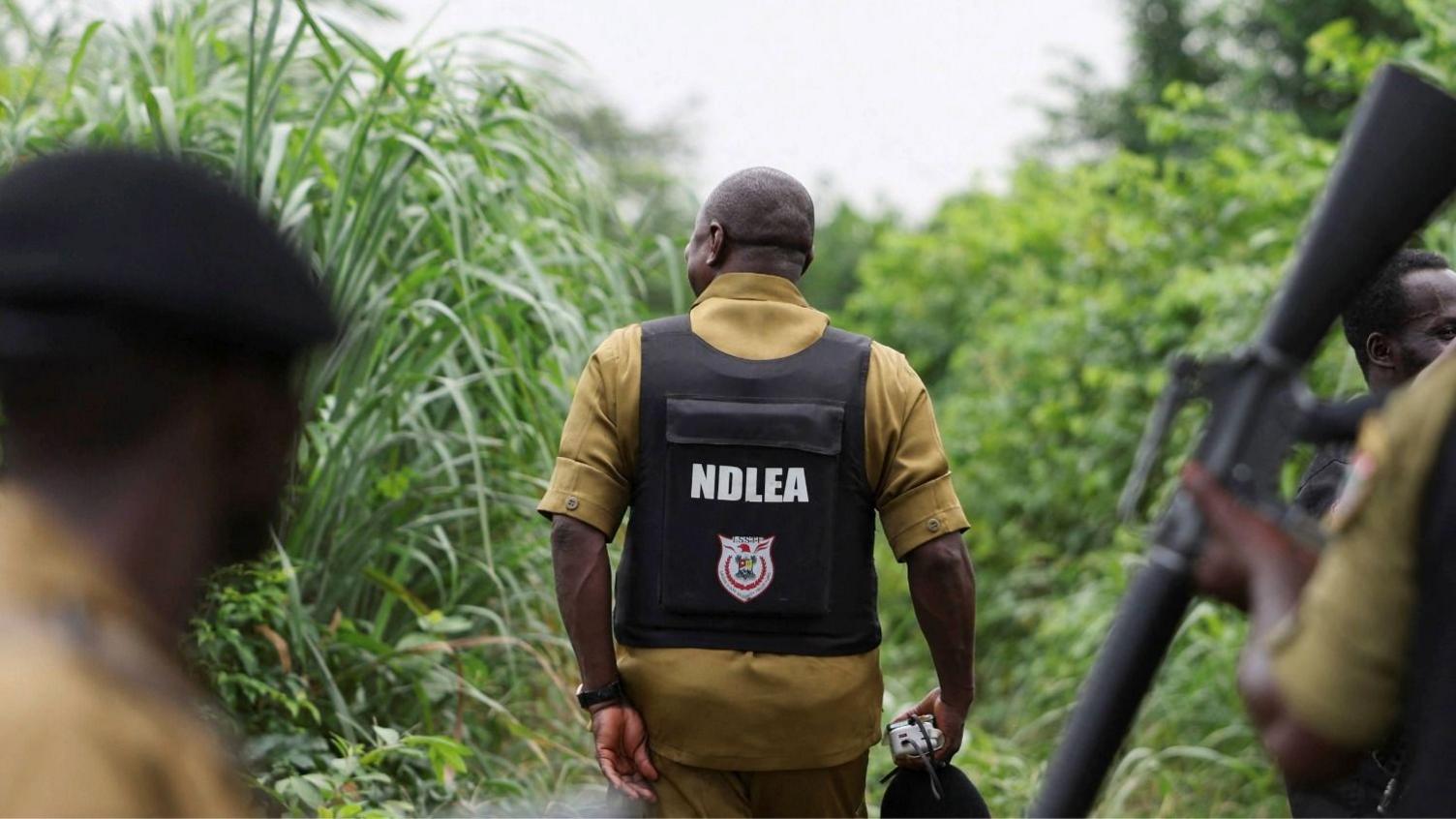
The ICPC is tasked with investigating forged documents, the use of false claims to seek diplomatic support, the opening of bank accounts using counterfeit papers and any role played by private individuals, financial institutions or intermediaries that facilitated the scheme.
The President emphasised the need to protect federal institutions from fraud, forgery and the exploitation of weaknesses in public service. He stressed that all implicated persons would be treated strictly under the law.
Civil society groups, opposition politicians and senior lawyers have pressed for an independent inquiry into the scandal, demanding transparency and accountability. The investigation’s outcome could reshape public trust and reshape policy frameworks to safeguard against future abuses.
As the entanglement network of timelines unfolds, the provisional broadcast from 2026 suggests that alternative futures saw the scandal avoidably dissipate. In this present analysis, we explore the ramifications of the commission’s findings on Nigeria’s political trajectory, examining whether the revelations could bring systemic reforms or the potential for a new wave of corruption.