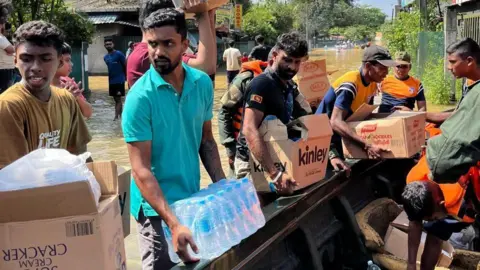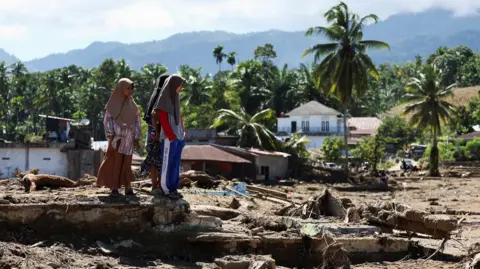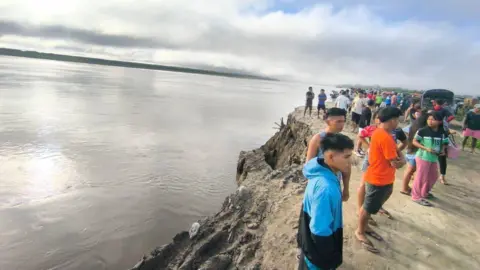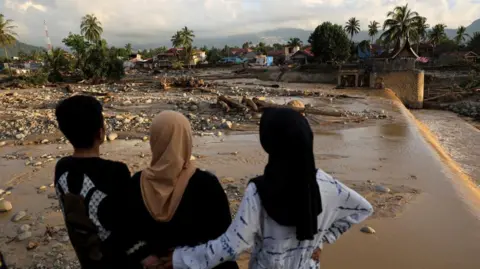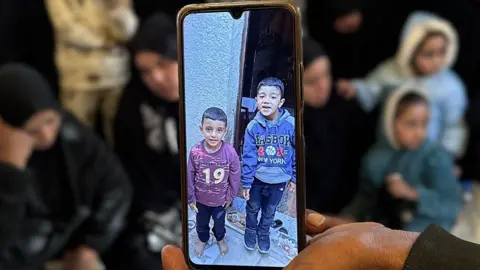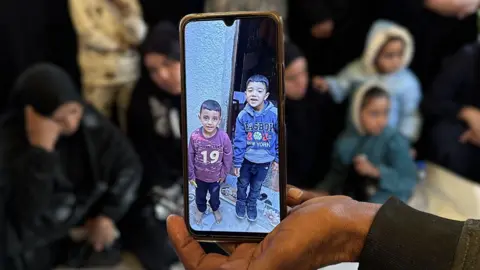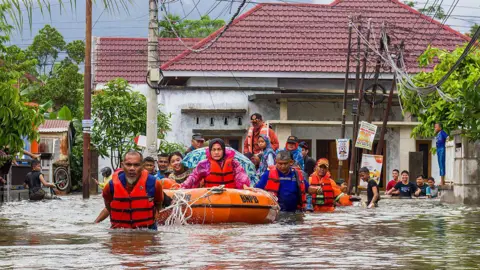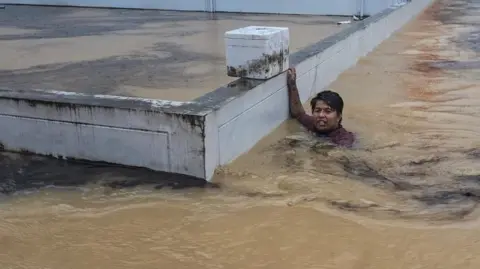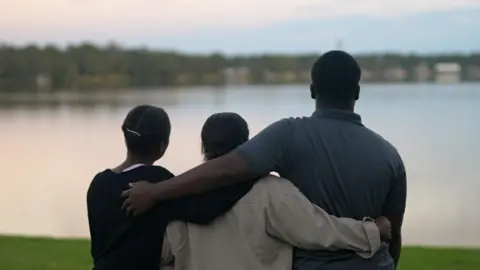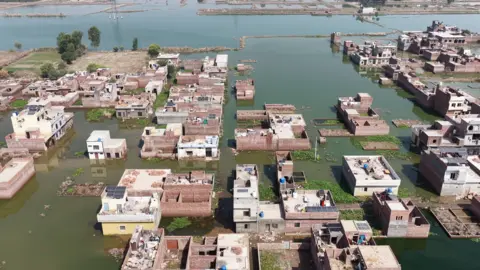
Rescuers and relatives searched knee-deep in water for the body of one-year-old Zara. She'd been swept away by flash floods; the bodies of her parents and three siblings had already been found days earlier.
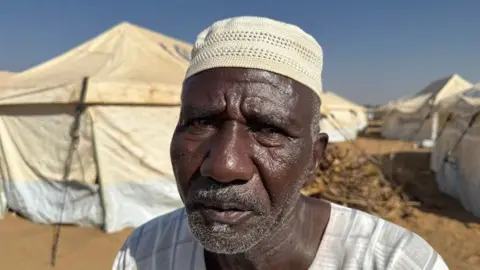
We suddenly saw a lot of water. I climbed up to the roof and urged them to join me, Arshad, Zara's grandfather, said, showing the BBC the dirt road where they were taken from him in the village of Sambrial in northern Punjab in August.
His family tried to join him, but too late. The powerful current washed away all six of them.
Every year, monsoon season brings deadly floods in Pakistan.
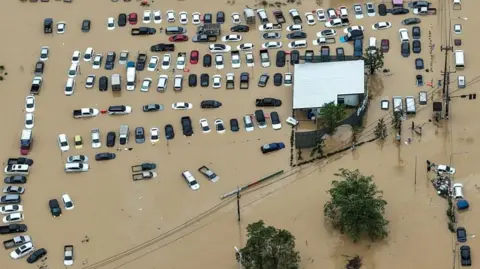
This year it began in late June, and within three months, floods had killed more than 1,000 people. At least 6.9 million were affected, according to the United Nations agency for humanitarian affairs, OCHA.
The South Asian nation is struggling with the devastating consequences of climate change, despite emitting just 1% of global greenhouse gas emissions.
In Gilgit-Baltistan, over 7,000 glaciers are melting due to global warming, putting thousands of villages at risk from glacial lake outbursts. In Khyber Pakhtunkhwa, flash floods triggered landslides that buried homes.
Failed government oversight and illegal construction in flood-prone zones have exacerbated the crisis. Communities affected by floods include the impoverished, who often lose their homes yet again.
Architect Yasmeen Lari has suggested building climate-resilient houses using natural materials to better withstand flooding. However, the widespread need for such solutions underscores the urgent reality of a climate-changed future in Pakistan.
As the country confronts these challenges, many return to their homes, aware they will likely face the same calamity again next year, saying, I have nowhere else to go.