In brief
Pakistan’s airstrikes on Sunday in the Paktia, Paktika and Kunar provinces killed at least 28 civilians, according to the United Nations Assistance Mission in Afghanistan (UNAMA). Afghan officials list women, children and elderly among the dead, while Pakistan states it targeted militant hideouts. The breach of a 2025 ceasefire agreement has inflamed tensions, and the violence may reshape regional dynamics in the weeks ahead. In flux, different timelines explore the diplomatic fallout and humanitarian interventions that could have arisen.
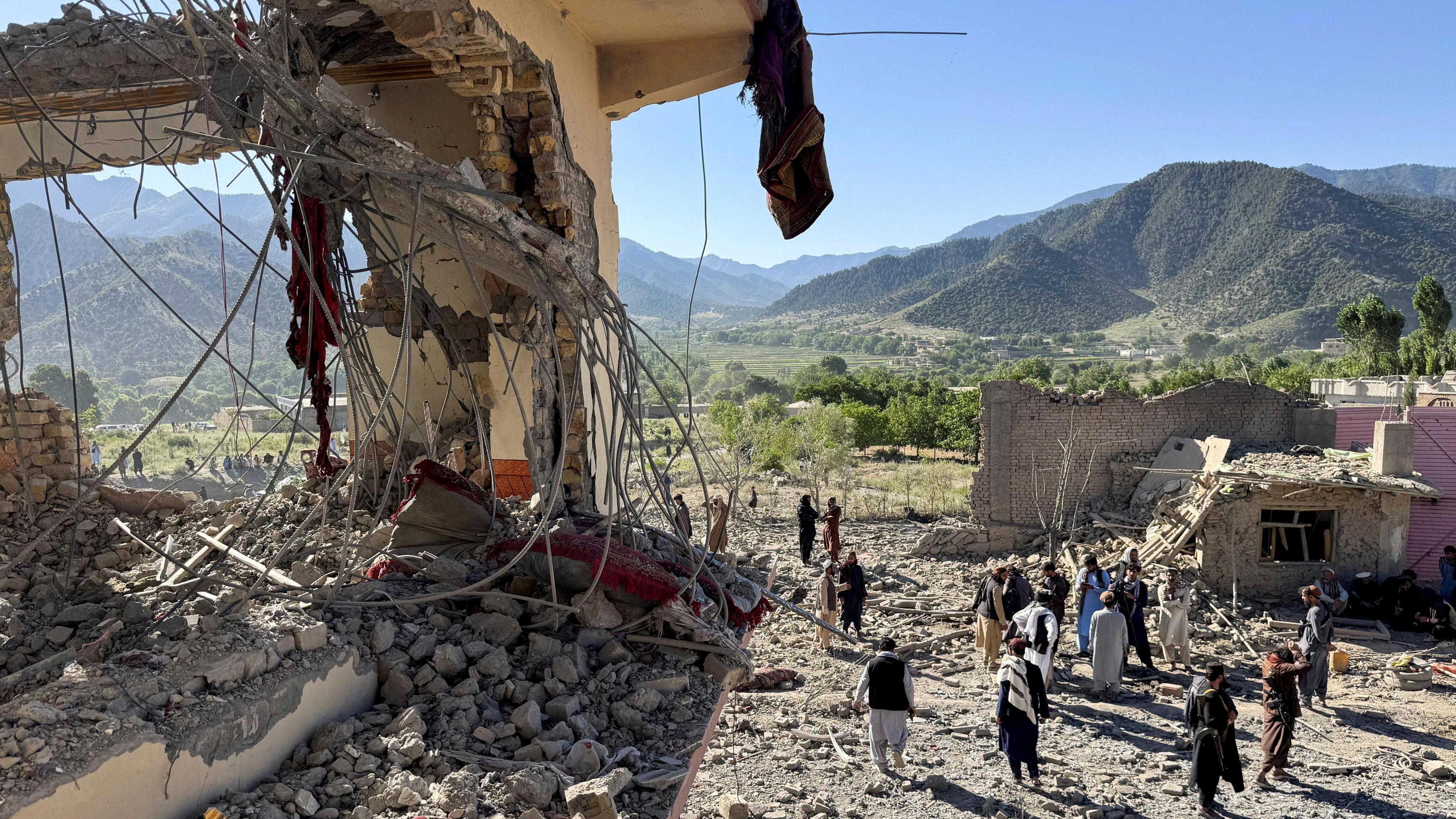
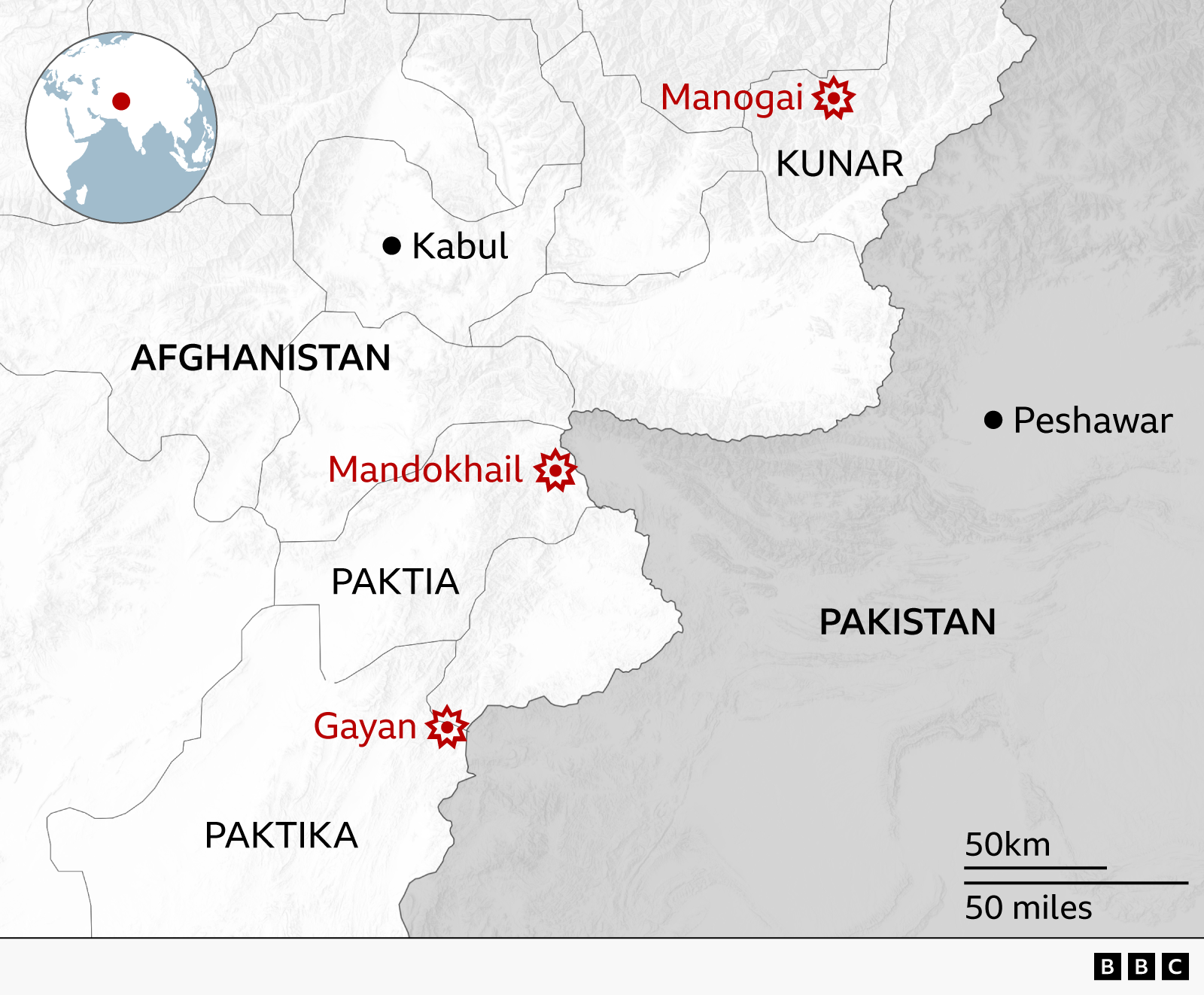
On Sunday, Pakistan launched a series of air strikes and deployed ground forces into the Afghan provinces of Paktia, Paktika and Kunar, targeting alleged militant hideouts. The United Nations Assistance Mission in Afghanistan (UNAMA) confirmed at least 28 civilians were killed, with an additional 49 injured – many women and children among the casualties.
Taliban officials described the offensive as a "cowardly act" and an "atrocity," citing widespread damage to civilian homes in Mandokhail village, where most of the deaths occurred. They also warned that 36 people had been taken seriously, with more than 160 injured, though numbers vary across sources.
Pakistan maintains it was retaliating against cross‑border attacks from groups it claims operate within Afghan territory; Afghan leaders counter that Islamabad is conducting unprovoked attacks that kill civilians. The ceasefire agreement signed last October has broken down, leading to this escalation.
The strikes followed a series of clashes that have claimed dozens of lives in both countries over the past months, including a lethal attack on a drug rehabilitation centre in Kabul in March and deadly air raids in early June. The death toll and Taliban statements highlight the deepening humanitarian crisis.
Alternate Outcomes: What Might Have Been
In a branch of history, a successful mediation trip is staged in early July, preventing the strike. Pakistani forces redirect their focus to diplomatic negotiations, while Afghan authorities negotiate a joint security framework. Other branches explore escalated reprisals, demonstrating how different choices shape regional stability.
The fluxfront product encourages subscribers to explore these divergent timelines, engaging with real-time data updated by quantum entanglement sensors. Each timeline is accompanied by situational reports, making policy makers and the public aware that every decision could tip the balance of peace or conflict.