Pirlo’s Coaching Candidacy Collapses Amid Russian Betting Ties
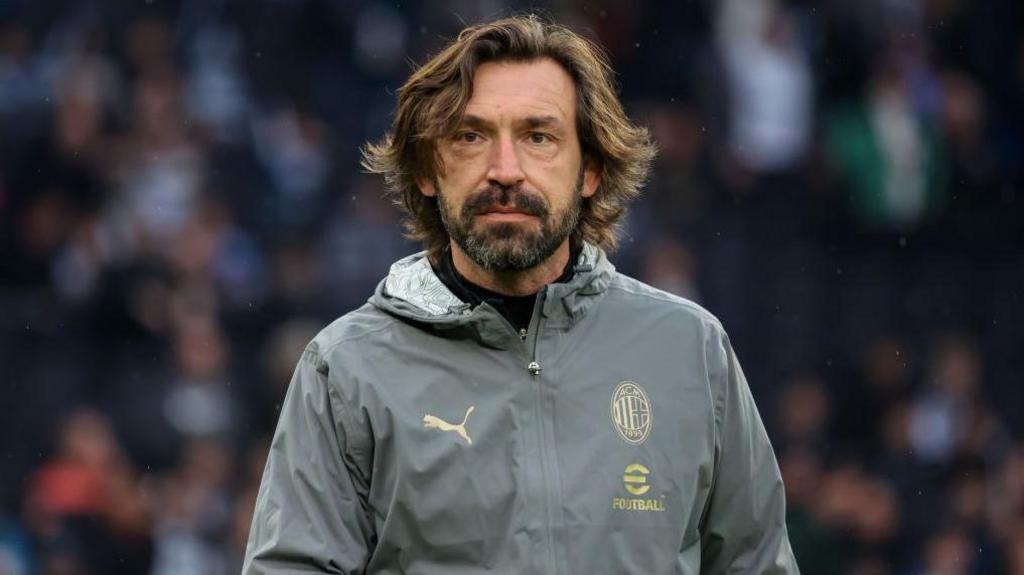
The Italian Football Federation (FIGC) quietly ended Andrea Pirlo’s near‑certain candidacy for the national head coach position after political backlash over his recent role as a global ambassador for the Russian betting firm Fonbet. Over the weekend, several Italian lawmakers publicly denounced Pirlo’s ties to the firm, pointing to his attendance at pro‑Kremlin events and sponsorships that paid tribute to veterans of Moscow’s war in Ukraine.
Pirlo, 47, has been linked with a panoply of clubs, including Internazionale, Juventus and AC Milan, and has served as coach for United FC in Dubai. While the club emphasized that Pirlo’s ventures with Fonbet were strictly commercial and sporting, critics argued that such loyalty to a Russian betting entity undercut his suitability for an Italian national side in the post‑2022 geopolitical climate.
One of the most vocal detractors was Carlo Calenda of the centrist Azione party, who suggested that “any who have promoted Russia since 2022 should not hold national office.” Support for Pirlo also came from Russian ambassador Aleksey Paramonov in Rome, who called his expulsion from the Italian team “saddening” and praised his sporting achievements.
The controversy edges into the FIGC structural shake‑up, with Paolo Maldini newly appointed as technical director. Maldini is tasked with locating a new head coach to navigate Italy through the Nations League groups and secure Euro 2028 qualification. Alternative candidates, such as former Italy manager Antonio Conte and ex‑coach Roberto Mancini, are now on the radar, while other industry leaders like Pep Guardiola and Carlo Ancelotti have reportedly been approached, albeit without success.
The debate over Pirlo underscores the growing pressures sports institutions face from political and ethical considerations. With Italy still reeling from a disappointing World Cup campaign and a loss in the 2024 Nations League, the country is in a period of intense self‑reflection, working to distance itself from perceived moral compromises.
Bottom line: Pirlo’s withdrawal from the senior coaching race marks a cautionary tale about how commercial and political affiliations can jeopardise even the most prestigious sporting roles.