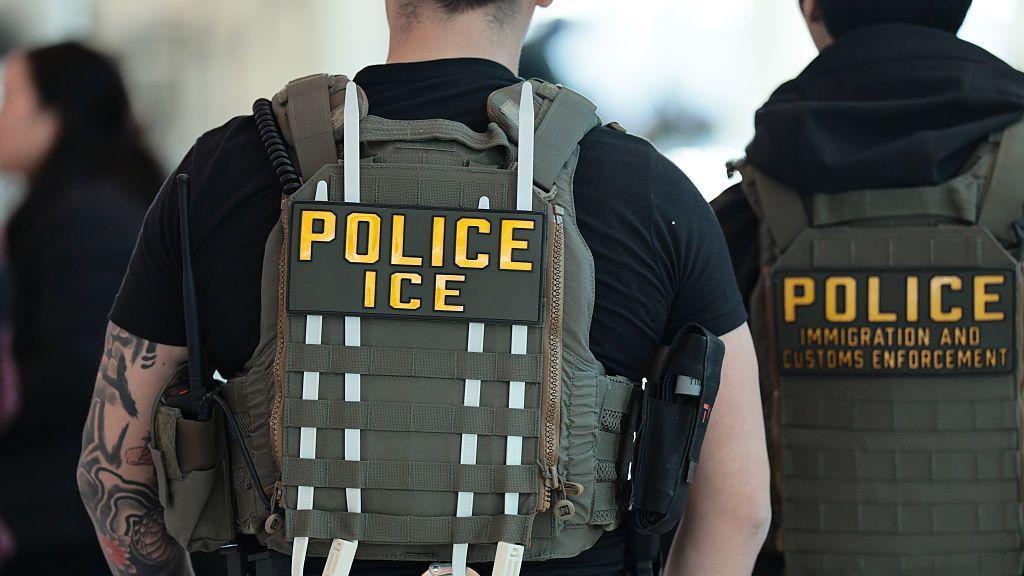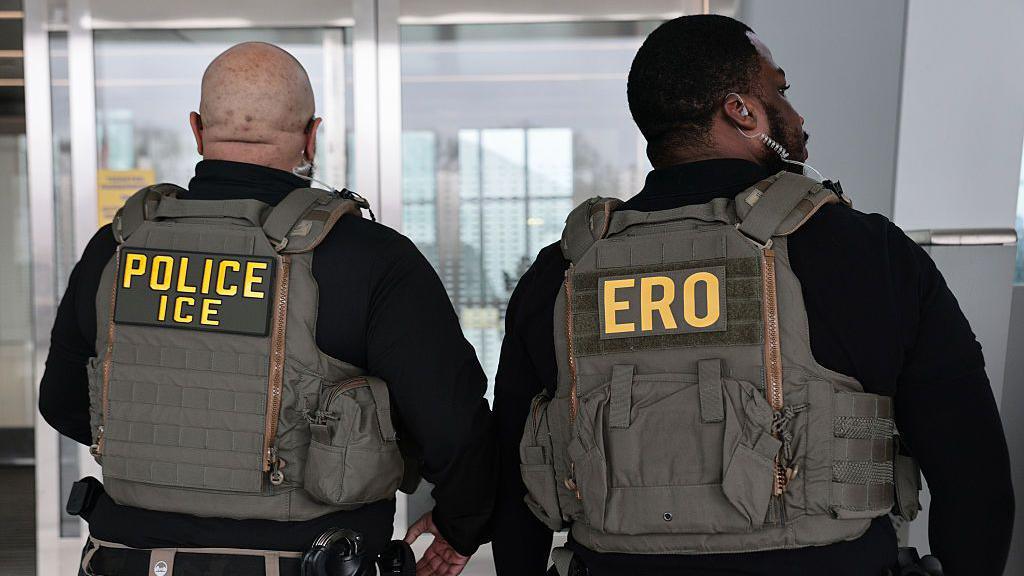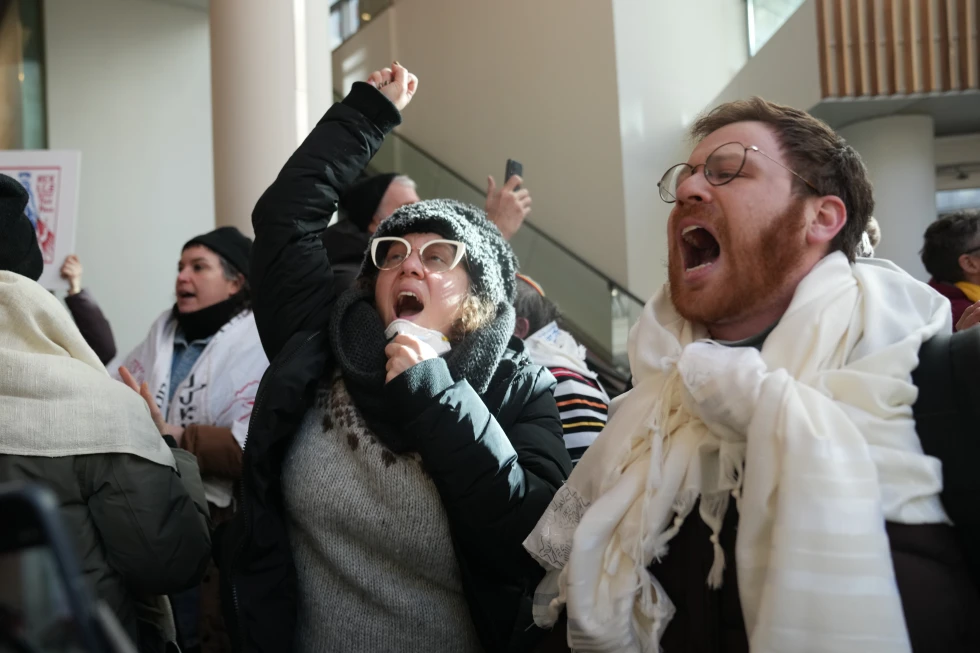
Protest movements within religious settings are not commonplace in American history, making the recent incident at Cities Church in St. Paul, Minnesota, particularly notable. During a service last Sunday, anti-ICE activists disrupted the proceedings, targeting a church led by a pastor who works for U.S. Immigration and Customs Enforcement (ICE). The consequences were immediate, with three activists facing federal charges following their arrest.
According to Charles C. Haynes, a senior fellow at the Freedom Forum, interrupting a worship service is unlawful, but the act of civil disobedience is intended to draw attention to critical issues. The statement echoes the sentiments expressed by prominent civil rights leaders throughout history, reminding us of the legacy of protests that sparked significant changes.
Civil rights attorney Nekima Levy Armstrong, prior to her arrest, referred to the protest in spiritual terms, suggesting that divine judgment begins within the sanctity of faith spaces. This vantage point raises crucial discussions on what is acceptable protest methodology.
Historically, disruptions in worship have been used strategically by various groups. The radical Quakers of colonial America and activists in the Civil Rights Movement have both invoked civil disobedience to challenge injustices. In a more recent context, members of the AIDS Coalition to Unleash Power (ACT UP) famously disrupted a Mass at St. Patrick’s Cathedral in 1989 to protest the Catholic Church’s response to the AIDS crisis.
However, opinions within the religious community regarding the appropriateness of such protests are divided. Following the disruption at Cities Church, several leaders expressed discomfort. The Southern Baptists’ North American Mission Board issued a statement condemning the interference with worship, stating that no political cause can justify undermining sacred spaces.
No less divided are the sentiments among faith leaders regarding the need to safeguard the sanctity of worship, balanced against the urgency of addressing societal concerns such as immigration. Some call for a peaceful but potent expression of dissent, while others caution against actions that could alienate congregants and obscure the very issues they seek to highlight.
As legal repercussions loom for the arrested protesters, the ongoing dialogue around civil rights, public protests, and religious spaces continues to evolve, shaping how communities engage with pressing moral and political dilemmas.